
Politics
Hochul considers Cuomo mayoralty

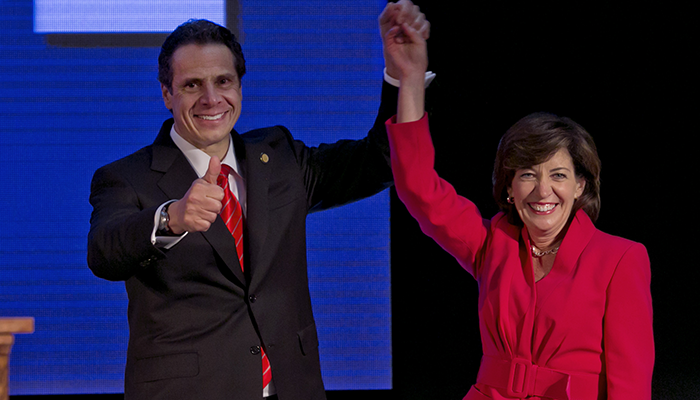
WE’RE ALL FRIENDS NOW: Gov. Kathy Hochul is pledging to work with a future Andrew Cuomo administration — if her former boss’ speculated run for mayor proves successful.
“My nature is to work with whoever is sitting in office, whether it’s the president of the United States, other governors or mayors,” the governor said when she was asked whether she supports Cuomo’s speculated run for mayor.
“I’ll continue on that path,” she added.
Hochul, who was on Long Island to unveil a proposal to provide free lunches for all K-12 students in the state (more on that below), made the comments on the heels of a new POLITICO report that signals Cuomo is continuing to line up the pieces for his run for mayor.
The Thursday report details how Cuomo is expected to hire Charlie King, a partner at the Manhattan-based consulting and lobbying firm Mercury Public Affairs.
Hochul has enjoyed a sunny relationship with Mayor Eric Adams, even as he battles federal corruption charges that could turn into even worse charges. She opted not to oust him — a power she holds — after his September indictment, in exchange for him pushing out scandal-scarred top aides.
“My job as governor of this great state is to work with whomever the voters choose to be the Mayor of the City of New York,” Hochul said, still in response to the Cuomo question. “I’ve demonstrated that. I’ve had a better relationship with the mayor of New York than probably any of my predecessors. It has been collaborative, because I recognize one thing — we both represent the same people.”
Cuomo — whose own petty feuds with former Mayor Bill DeBlasio have become the stuff of legend — declined to comment for this story. His team continues to avoid confirming the drips of news about his seemingly embryonic campaign for mayor mean he is actually running.
(Jewish Insider also reported in November that Cuomo’s team is preparing to run, and is setting up an independent expenditure group.)
“This all remains premature, but Andrew Cuomo will always be a Queens boy who loves New York, is deeply concerned about its direction, and will always help any way he can,” Azzopardi told our colleague Nick Reisman in response to the Mercury Public Affairs news. He also insisted that “nothing has changed and neither apparently has the rumor mill in all its glory.”
When asked if she would rank Adams at the ballot box in June, Hochul balked — “I’m not a voter in New York City,” she said, sidestepping the hypothetical.
The governor’s comments, about President-elect Donald Trump, Adams and Cuomo (who Cuomo has insisted are all the same) come as she continues to signal a non-aggression pact with, well, everyone after quickly abandoning a Trump-resistance posture.
If you remember, the day after Election Day, Hochul hosted a Trump-bashing press conference with Attorney General Letitia James, where James said the two are “ready to fight back again.”
But immediately afterward, her stance softened, a prerogative that seems to have been solidified by her “lengthy,” “cordial” and “very productive” phone call with Trump the next day.
Since the pair’s cuddly chat, the governor has pledged to work with — not obstruct — the Trump administration’s efforts, even pledging to be “the first to call up ICE” to deport immigrants who break the law when asked about Trump’s mass deportation plan.
While she plays nice with the three criminally probed men, she still must ward off a challenge from Democratic Rep. Ritchie Torres and Republican Rep. Mike Lawler, who are both doing their best to ramp up speculation they will campaign against her for governor in 2026.
“The change of heart about Cuomo is the latest flip-flop from the foremost flip-flopper in New York politics,” Torres texted Playbook. “Just like Kathy Hochul was for congestion pricing before she was against it before she was for it, Hochul was for Cuomo before she was against him before she was for him.”
Lawler also chimed in: “Governor Hochul’s new ‘Kumbaya Kathy’ act is laughable,” he said. “Commonsense people in both parties know that she doesn’t work with, or listen to, anyone who disagrees with her and her bad ideas. If she did, we wouldn’t be dealing with congestion pricing, sanctuary cities, or cashless bail.” — Jason Beeferman
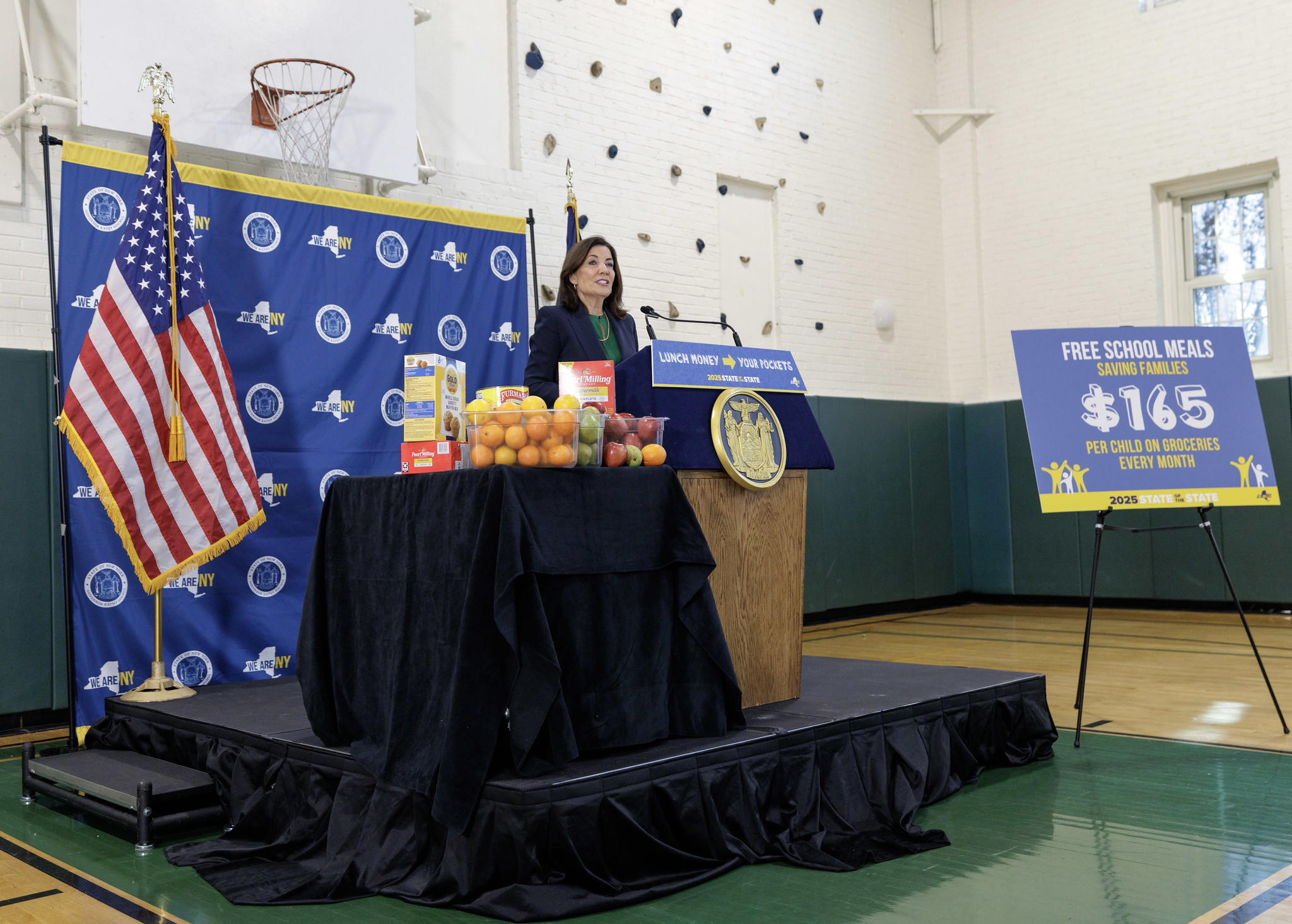
YOU GET A LUNCH, AND YOU GET A LUNCH … : New York is set to become the ninth state in the nation that provides free lunches and breakfasts to all K-12 school students, regardless of their income.
“I’m proposing free school meals for every student in New York — giving kids the sustenance they need and putting more money back in parents’ pockets,” the governor said today.
The announcement is the final in a trifecta of affordability proposals Hochul is unveiling ahead of her State of the State.
Hochul has long centered affordability from her perch in Albany, but the recent emphasis on “putting money back in your pockets” comes after Trump’s decisive victory over Vice President Kamala Harris revealed losses of Democratic support from working class voters across most demographic groups.
“It’s just a statement of our values,” Hochul said. “Helping put more money in the pockets of parents, families in countless ways. This is just one of the other initiatives we’ll be announcing in my State of the State on Tuesday.”
The governor’s new initiative, known as Universal Free School Meals, would eliminate any income requirements, expanding eligibility to nearly 300,000 additional pupils.
The investment into the state’s free student meals program, which Assemblymember Jessica González-Rojas and state Sen. Michelle Hinchey had fought to expand over the last two years, means around 2.7 million students will be entitled to free meals.
“Reducing the stigma is so important,” Rojas said. “We’ve heard about so many children who are teased, families who are embarrassed to do all this work and get that attention, because they just want their kids to learn and not be focused on the challenges they’re facing,” Rojas said.
“These arbitrary cutoffs that we have for things, just because you may not qualify doesn’t mean your family is not right on the brink and struggling,” Hinchey said.
The initiative is expected to cost $340 million and would go into effect in the 2025-26 school year, according to the governor’s office. — Jason Beeferman and Madina Touré
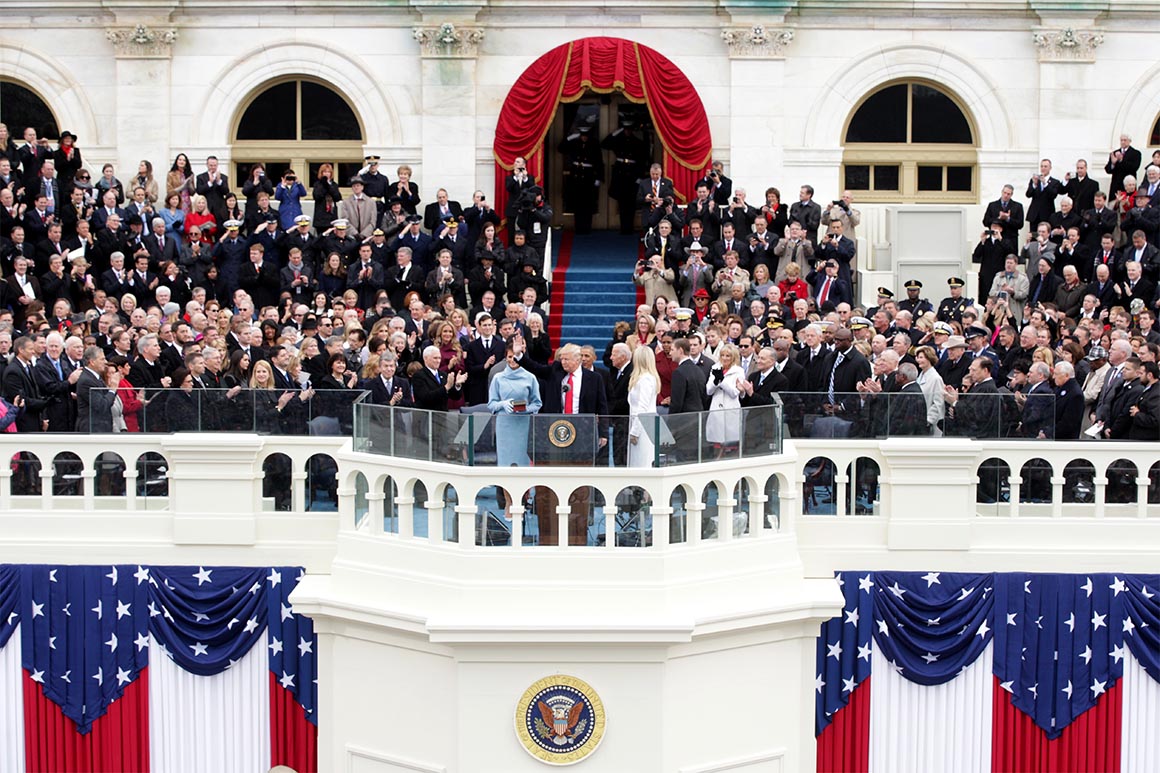
TO BE (THERE) OR NOT TO BE: Adams is open to attending Trump’s inauguration on Jan. 20, but his Albany ally is staying put.
Hochul campaign spokesperson Jen Goodman today confirmed the governor will not attend Trump’s swearing-in ceremony in Washington.
Adams and Hochul are moderate Democrats who have worked well together. But Adams, who is fighting a five-count federal felony indictment, has trod lightly in Trump world.
Unlike the governor, Adams was not a vocal surrogate for President Joe Biden or Vice President Kamala Harris when she replaced him at the top of the ticket. Adams also met with incoming Trump border czar Tom Homan and has been critical of how Biden has handled immigration policy. (Hochul has been in virtual alignment with the Biden administration on the issue and has blamed Republicans for a scuttled border security bill last year.)
The inauguration will coincide with Martin Luther King Jr. Day and prominent New York officials typically unite at the Rev. Al Sharpton’s celebration of the civil rights leader at the National Action Network in Harlem.
Hochul has not disclosed her plans for Jan. 20, but she is also expected to deliver her state budget presentation in Albany the following day. — Nick Reisman
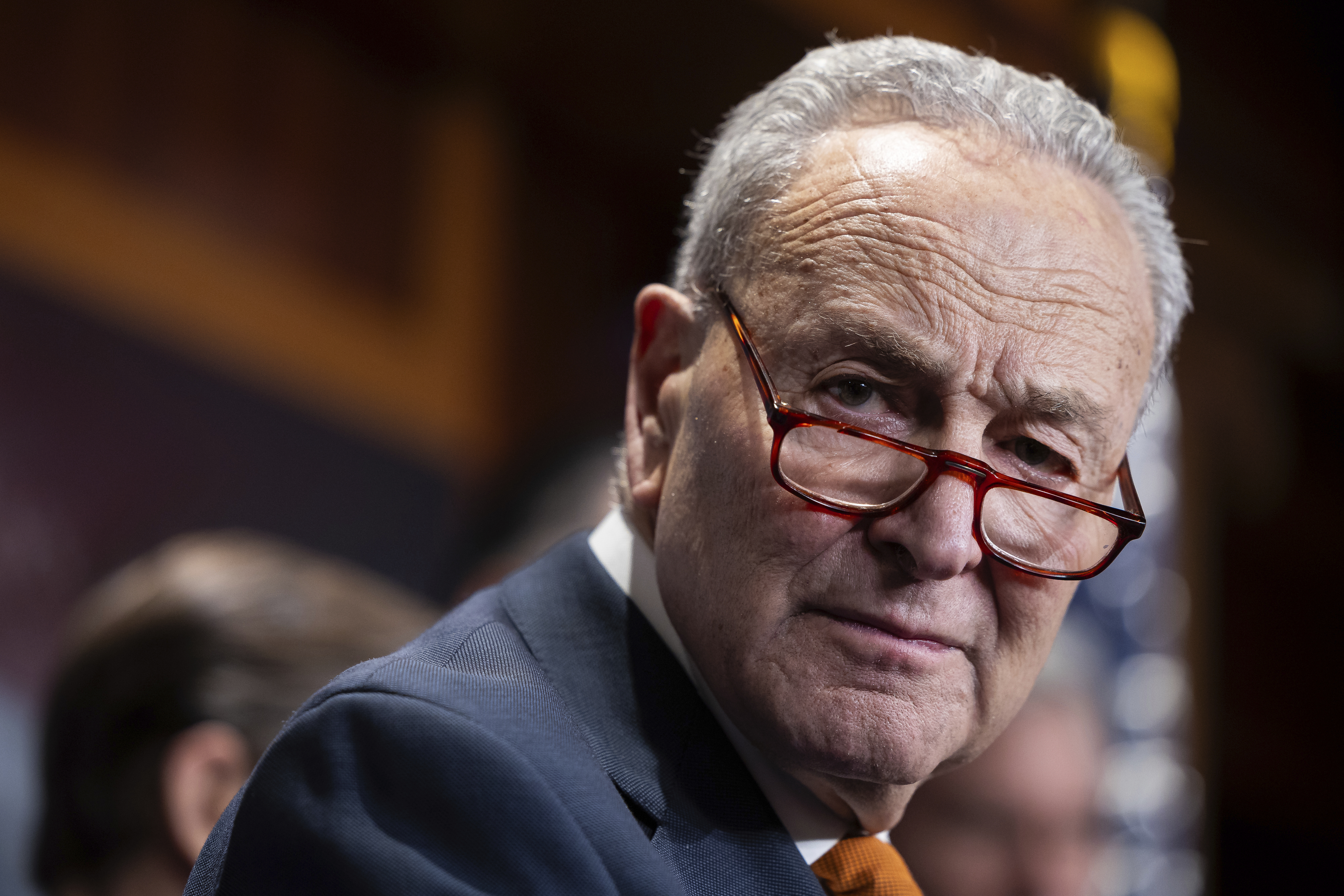
BITTER TAX FIGHT: Senate Minority Leader Chuck Schumer is drawing a line in the sand in the heated battle to lift the cap on the state and local tax deduction, or SALT, as House Republicans meet Saturday with Trump to argue for an increase.
Schumer wants a full repeal, full stop.
Reps. Mike Lawler, Nick LaLota, Nicole Malliotakis, Andrew Garbarino and their colleagues from New Jersey and California view a substantial hike in the current $10,000-per-household cap as a realistic opening bid in the light of the contention to come over renewing the broader tax cuts package.
But Schumer and other Democrats, including Hochul, are staking out total restoration as their position. The senior senator previewed the Dems’ strategy Friday in remarks to the pro-business Long Island Association.
“President-elect Trump and many southern and midwestern Congress members who pushed the unfair SALT cap in their 2017 tax bill are now having second thoughts, and we have to take advantage of that,” he told the business community in a suburban stretch where SALT is a very big deal. “There’s been a lot of chatter this week about various potential increases to Trump’s SALT limits, but remember: If we don’t renew them, then the Trump SALT cap will expire … and this attack on New York taxpayers ends for good.”
As House Republicans from high-tax states make their SALT case, they’ve also made sure to blame the Democratic leaders of those states, including Hochul, for hefty taxes that make the deduction so crucial in the first place. — Emily Ngo
— GUILTY PLEA: Turkish-American construction executive Erden Arkan pleaded guilty Friday to making straw donations to Mayor Eric Adams’ campaign. (POLITICO)
— LESS TERRIBLE TWOS: City parents are starting a campaign to push City Hall to fund free universal child care for 2-year-olds. (Daily News)
— DON’T GIMME SHELTER: The city is shuttering 10 migrant shelters as the rate of arrivals for asylum seekers continues to hit new lows. (New York Post)
Missed this morning’s New York Playbook? We forgive you. Read it here.


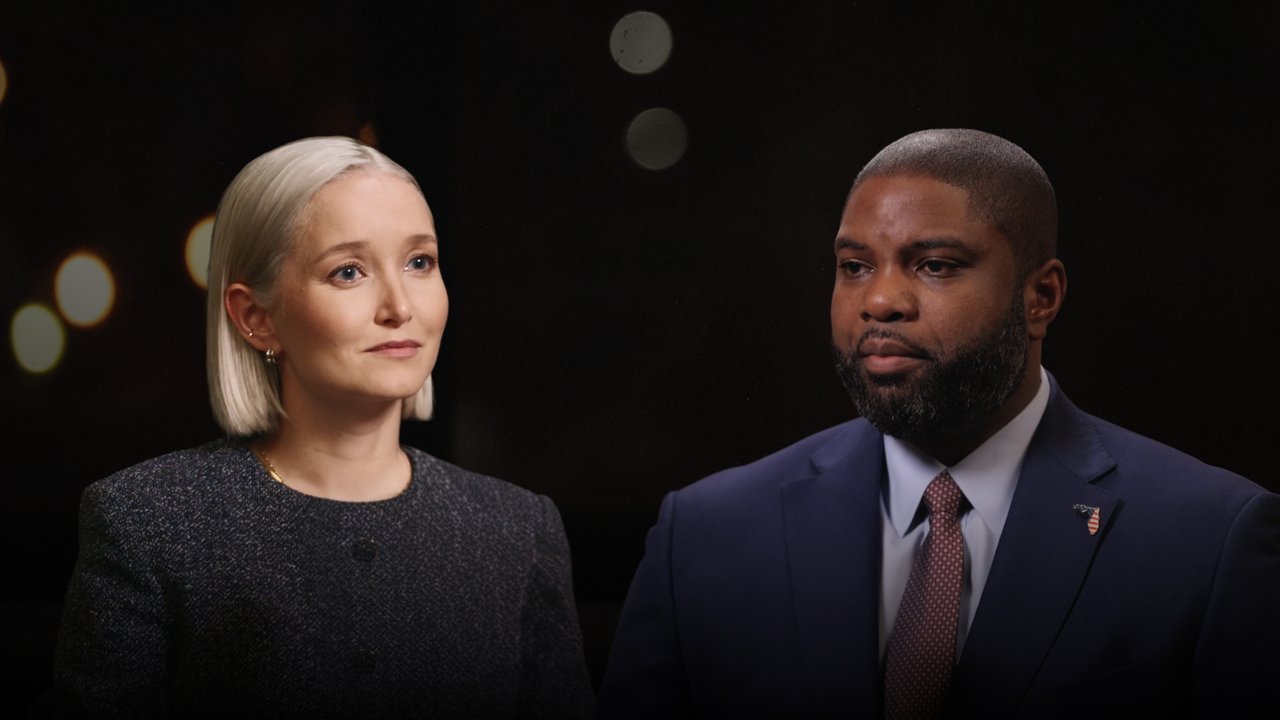
Byron Donalds says he is not a ‘yes man’ to Trump
lead image
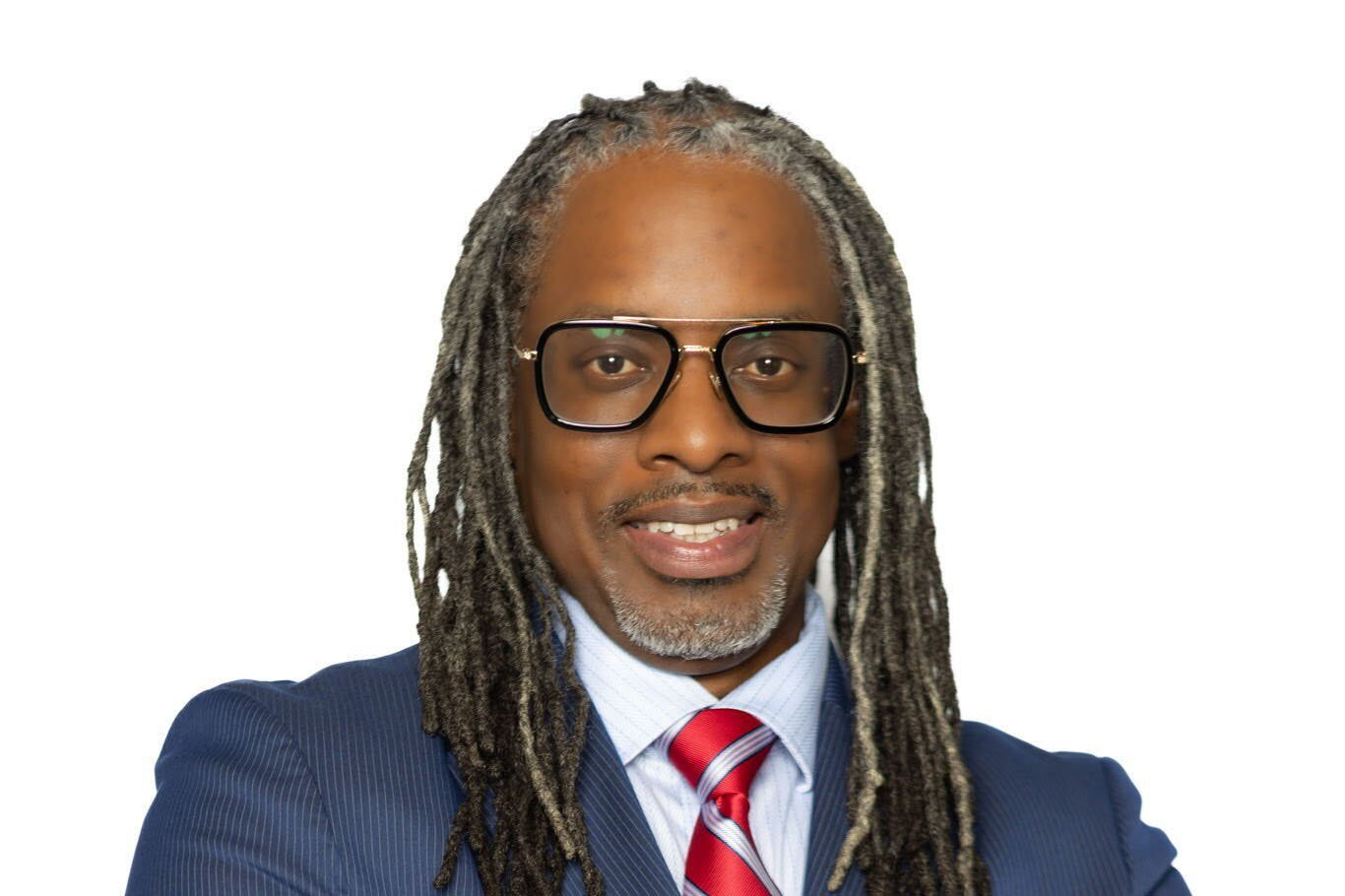
The progressive political action committee Justice Democrats has appointed Rev. Hodari Williams as its new executive director. The change sets the organization up to hone a civil rights message ahead of the 2028 election cycle, Williams told Blue Light News.
His appointment, shared first with Blue Light News, comes at a time when self-proclaimed progressives (and socialists) are flooding the scene. The PAC has had its most successful election cycle ever, helping seven candidates — including Donavan McKinney in Michigan, Melat Kiros in Colorado and Darializa Avila Chevalier in New York — defeat incumbents in the primaries. While those candidates are heavily favored to win on Election Day, the fates of three other Justice Democrats candidates, including Tennessee’s state Rep. Justin Pearson, remain less certain going into November.
At one point, the group tried to get Williams to run for office. Though he declined, Williams said now is the right time to force change.
“America and its present-day politicians, from my experience, have a high blood pressure of promises and anemia of political courage,” Williams said in an interview, using a common Kenyan political expression. “Right now, JD is producing candidates who have the political courage to deal with the crises that are existing in marginalized and disenfranchised communities, and I want to be a part of that.”
Williams, 46, was born and raised in Lakewood, New Jersey. His parents were activists and community organizers who raised him on the legacy of the Civil Rights Movement. After graduating from Francis Marion University in Florence, South Carolina, with his bachelor’s degree, he joined the NAACP as a field organizer for voter rights and empowerment while pursuing his Master’s of Divinity at the Interdenominational Theological Center. In his time with the NAACP, Williams traveled across the Black Belt, where he said he witnessed poverty and inequity up close.
“Civil rights traditionally has been something that people have tried to separate from progressivism … but these movements are inseparable,” said Williams. “What I witnessed in the South as a worker in voter rights and voter empowerment and education, and as a regional representative for the NAACP, was that the conditions that created inequity still existed and needed to be confronted and challenged.”
His work took him to Kenya, where he served as a program coordinator with the Presbyterian Church USA. In Nairobi, he supported the Green Belt Movement’s work against deforestation and its mission to highlight environmental justice as a tool for economic empowerment and self-determination.
Now, as some Black and brown voters express concerns of being tokenized by traditional Democratic candidates, Williams plans to bring his experience working in racial justice circles to his new role.
“I have worked in communities that have borne the brunt of failed promises from the current Democratic leadership,” Williams said. “I have opened the doors of my congregations to politicians and have experienced the absence of those politicians after the elections.”
He continued: “Black communities have become destinations for environmental hazards and data centers. Unemployment has risen. Black federal employees have been targeted. The list goes on. I’ve pastored these people. I’ve prayed with them. I’ve listened to them as they’ve shed tears. Now I’ve decided I want to move from triage work to really transformational work.”
Some of that work will require challenging other Black leaders.
“Unfortunately, many of our Black politicians have become victims of corporate capture, and their voices have been taken by entities like AIPAC,” said Williams, referring to the American Israel Public Affairs Committee. “They have not really been able to stand for the issues that are affecting the communities that that many of us are fighting for, and JD candidates are free from that, and they’re free to take bold and significant action to move forward legislation.”
But with the 2026 election cycle nearly over, the PAC is already brainstorming how to establish a strong progressive coalition for the 2028 presidential election. That will mean convincing the mainstream Democratic party that Justice Democrats have built a lasting coalition of the party’s base, said Williams.
“We hope that the Democratic Party would see that we’re developing a blueprint to show them how the base is being energized around the issues that are kitchen table issues that people want us to deal with,” said Williams.
“It’s not enough for us just to have a call to defeat a fascist president. We don’t want a fascist president. We want him out, but we also want a vision of what America could look like when affordability, healthcare, civil rights, housing, and livable wages — all of those things are at the top of the political agenda,” he added.
Williams succeeds current executive director and co-founder Alexandra Rojas, who will become president of Justice Democrats’ board and will support Williams as a senior adviser.
Iowa Rep. Ashley Hinson took a swipe at the savings habits of millennials as she fielded a question Wednesday about Social Security during a Senate campaign debate.
Hinson, the Republican candidate facing off against Democrat state Rep. Josh Turek, was asked about ensuring the solvency of Social Security when she raised the broader prospect of savings by millennials, the demographic consisting of people born from 1981-1996.
She said the country needed to have a “serious conversation” about “how young people are saving money,” as part of the discussion about the future of Social Security.
“We also need to be talking about millennials saving money,” she later added. “Millennials are the worst group of savers in the country right now and have the least amount of savings. So those are ways where I think we can help have a bigger conversation around saving in general, planning for retirement, and making sure we’re all able to experience a robust retirement.”
Hinson faces a tough race in Iowa against Turek amid a difficult political environment for Republicans. Voters are overwhelmingly pessimistic about the state of the economy and their own personal finances, and they support Social Security while being concerned about the program’s future.
Hinson said she would not support cutting benefits and suggested creating a bipartisan commission to present suggestions to Congress to save the program. When pushed on her statement that “all options should be on the table,” she turned her attention to young people.
“I think my dad and I had this discussion when I was in sixth grade, looking at a ledger book and trying to figure out, hey, how are we going to make sure you’re set up for your life?” she said. “So we need to be having a conversation simultaneously to all solutions on the table, to make sure that it can stay solvent, while we’re also talking about, how do we get more young people to save?”
Hinson’s campaign did not immediately respond to a request for clarification.
Turek, when asked about Social Security, said he supports removing the payroll tax cap.
“The best way we can keep this solvent is by taking off the cap,” Turek said. “Let’s make sure that billionaires and large corporations are paying their fair share. That will move the needle in a very serious way to keep Social Security solvent.”
Hinson disagreed. “The only thing I’m hearing from him is that the only solution to everything is to raise taxes,” she said.
-

 Politics2 years ago
Former ‘Squad’ members launching ‘Bowman and Bush’ YouTube show
-
Uncategorized2 years ago
Bob Good to step down as Freedom Caucus chair this week
-

 The Josh Fourrier Show2 years ago
DOOMSDAY: Trump won, now what?
-

 The Dictatorship2 years ago
Pete Hegseth’s tenure at the Pentagon goes from bad to worse
-

 Politics2 years ago
Former Kentucky AG Daniel Cameron launches Senate bid
-

 The Dictatorship2 years ago
Luigi Mangione acknowledges public support in first official statement since arrest
-

 Politics2 years ago
Blue Light News’s Editorial Director Ryan Hutchins speaks at Blue Light News’s 2025 Governors Summit
-

 The Dictatorship1 year ago
Mike Johnson sums up the GOP’s arrogant position on military occupation with two words