
Politics
Trump lawyers and aide hit with 10 additional charges in Wisconsin over 2020 fake electors

MADISON, Wisconsin — Wisconsin prosecutors filed 10 additional felony charges Tuesday against two attorneys and an aide to President-elect Donald Trump who advised Trump in 2020 as part of a plan to submit paperwork falsely claiming that the Republican had won the battleground state that year.
Jim Troupis, who was Trump’s attorney in Wisconsin, Kenneth Chesebro, an attorney who advised the campaign, and Mike Roman, Trump’s director of Election Day operations in 2020, all initially faced a single felony forgery charge in Wisconsin. Those charges were filed in June.
But on Tuesday, two days before the three are scheduled for their initial court appearances, the Wisconsin Department of Justice filed 10 additional felony charges against each of them. The charges are for using forgery in an attempt to defraud each of the 10 Republican electors who cast their ballots for Trump that year.
Each of the 11 of the felony charges they face carries the same maximum penalty of six years in prison and a $10,000 fine.
Attorneys for each of the defendants did not immediately reply to emails seeking comment.
The state charges against the Trump attorneys and aide are the only ones in Wisconsin. None of the electors have been charged. The 10 Wisconsin electors, Chesebro and Troupis all settled a lawsuit that was brought against them in 2023.
There are pending charges related to the fake electors scheme in state and federal courts in Arizona, Michigan, Nevada and Georgia. Federal prosecutors, investigating Trump’s conduct related to the Jan. 6, 2021, U.S. Capitol riot, said the fake electors scheme originated in Wisconsin.
Electors are people appointed to represent voters in presidential elections. The winner of the popular vote in each state determines which party’s electors are sent to the Electoral College, which meets in December after the election to certify the outcome. Two states, Maine and Nebraska, allow their electoral votes to be split between candidates.
The Wisconsin complaint details how Troupis, Chesebro and Roman created a document that falsely said Trump had won Wisconsin’s 10 Electoral College votes and then attempted to deliver to to then-Vice President Mike Pence.
In the amended complaint filed Tuesday, prosecutors said the majority of the 10 electors told investigators that they were needed to sign the elector certificate indicating that Trump had won only to preserve his legal options if a court changed the outcome of the election in Wisconsin. A majority of the electors told investigators that they did not believe their signatures on the elector certificate would be submitted to Congress without a court ruling, the complaint said.
Additionally, a majority of the electors said that they did not consent to having their signatures presented as if Trump had won without such a court ruling, the complaint said.
Troupis filed four motions to dismiss the charge against him ahead of Thursday’s hearing and before the amended complaint was filed. He argues that having Republican electors meet and cast their ballot was done to preserve their legal options in case the U.S. Supreme Court ruled in Trump’s favor in a lawsuit challenging the Wisconsin vote. No crime was committed by that action, therefore the complaint must be dismissed, Troupis contends.
In another motion to dismiss, he argues that federal law should take precedence in this case, and that such charges therefore can’t legally be brought in state court.
In a third motion, Troupis argues that the case should be dismissed because facts that showed no crime was committed were left out of the complaint. In a fourth motion, Troupis argues that it should be dismissed because prosecutions for election crimes can only be brought by the county district attorney, not the state’s attorney general.
The Wisconsin charges were brought by Attorney General Josh Kaul, a Democrat. They were filed in June, five months before Trump carried Wisconsin in November. He also won the state in 2016, but lost it in 2020.
The fake elector efforts were central to a 2023 federal racketeering indictment filed against Trump alleging he tried to overturn the results of the 2020 election. But special counsel Jack Smith moved to abandon that case last month, acknowledging that Trump’s return to the White House will preclude attempts to federally prosecute him.
Trump was also indicted in Georgia along with 18 others accused of participating in a sprawling scheme to illegally overturn the 2020 presidential election there. Trump is trying to get that case dismissed, arguing that state courts won’t have jurisdiction over him when he returns to the White House next month.


Demands are growing for a political reckoning over ticket scams at the World Cup — and beyond.
The National Independent Venue Association and Fan Alliance, organizations representing and advocating for entertainment venues and artists respectively, sent a joint letter to Congress on Thursday, calling on lawmakers to ban speculative and ghost tickets, cases where resellers flog tickets they don’t actually have.
The letter — addressed to Speaker Mike Johnson, Senate Majority Leader John Thune, House Democratic Leader Hakeem Jeffries and Senate Democratic Leader Chuck Schumer — includes nearly two dozen accounts of fans who say they were scammed out of thousands of dollars trying to get tickets to the World Cup, which began last week. The groups are also asking fans to share their own stories with elected officials via the Fix the Tix Fan Action Center that launched last week.
“Every one of these stories erodes the public’s faith that consumers should and will be protected from fraud,” NIVA Executive Director Stephen Parker and Fan Alliance founder Donald Cohen wrote. “We urge Congress to work with us to prevent fraud like this in the future and finally enact ticket resale consumer protections that will protect Americans and ensure affordability.”
The letter flagged fans like Dacy Gillespie, who bought World Cup tickets for her sons on Christmas, only to learn on match day — months later — that the seller couldn’t deliver them. And Skylie Shore, who Parker and Cohen said spent well over $6,000 on tickets to the Scotland-Haiti match on June 13, but was forced to wait outside the stadium because she couldn’t access them as fans marched in on gameday.
“These examples reveal a consistent pattern: consumer deception, speculative ticket sales, and broken-hearted American families at the hands of resale ticketing companies like StubHub,” Parker and Cohen wrote.
In a statement, StubHub spokesperson Jack Sterne said that the platform does not allow speculative ticket sales, and blamed FIFA for users’ difficulty in accessing their tickets.
“We understand that attending the World Cup represents a significant investment in time and money, and we take our responsibility to every fan who books through our platform seriously,” Sterne said in a statement. “Many of the issues fans are facing trace back to the event organizer’s technology infrastructure, newly announced transfer restrictions, and a new app that was launched just a month ago.”
In response, FIFA said in a statement that the organization “can guarantee the validity and delivery of tickets purchased through its official platforms” and that FIFA.com/tickets “is the official ticket sales channel” for the tournament.
NIVA and Fan Alliance are urging congressional leadership to place universal price-gouging limits on ticket resale, enact stringent fines on perpetrators and a violation-reporting mechanism for ticket scams, and require secondary ticketing platforms to produce data on ticket fulfillment and consumer complaints.
The groups are not the only ones monitoring for evidence of shady ticket practices. Missouri Attorney General Catherine Hanaway issued a consumer guidance in advance of the tournament, urging match-goers to beware of fraud and promising to hold offenders accountable. And the FBI in May put out a public service announcement, warning fans against purchasing tickets on copycat websites modeled on FIFA’s.
“With the World Cup coming to Kansas City, excitement is high and, unfortunately, so is the potential for fraud,” Hanaway said in her statement. “Missourians should be able to enjoy this once-in-a-generation event without fear of being deceived. My office will hold accountable anyone who seeks to exploit our families, and we stand ready to assist anyone who encounters suspicious activity.”
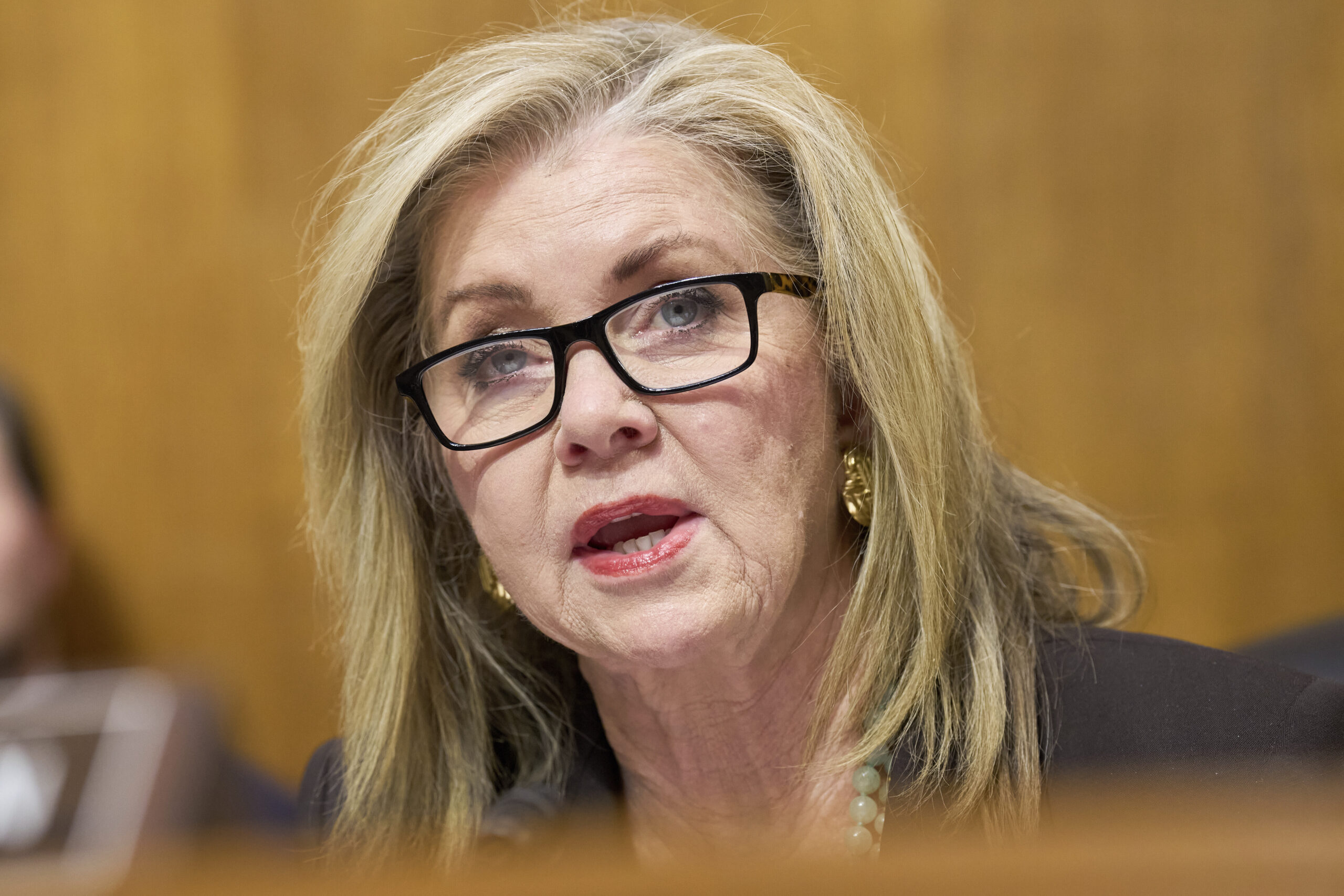
Sen. Marsha Blackburn has been pushing to wrap several pieces of AI safety legislation together in a forthcoming package…
Read More
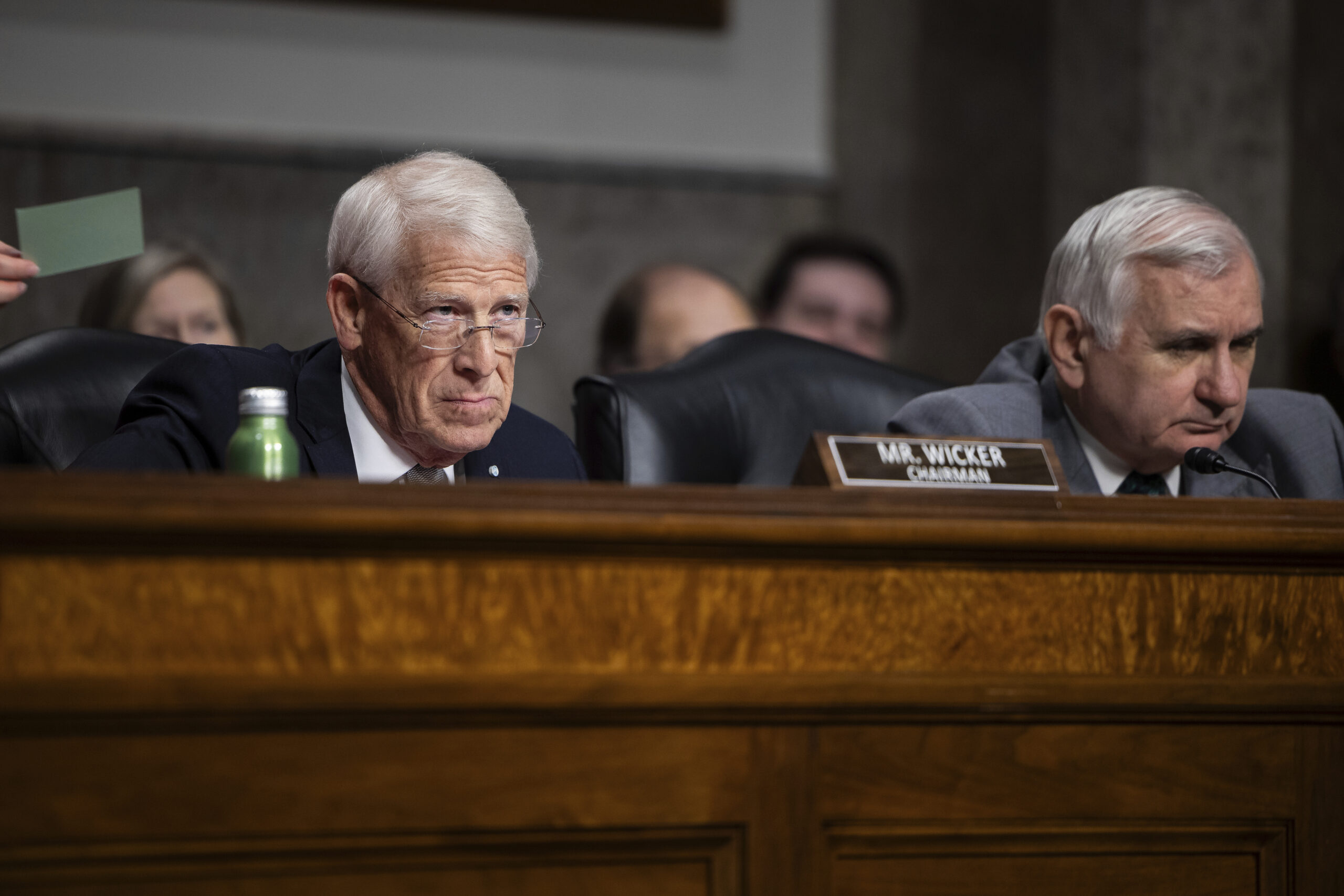
Republican defense hawks have heartburn over the nascent deal, which the White House provided to lawmakers on Thursday…
Read More
- World Cup fuels ticketing reform demands
- Friction between President and Republicans growing…
- White House scheduled to meet with groups on AI and kids’ safety bills
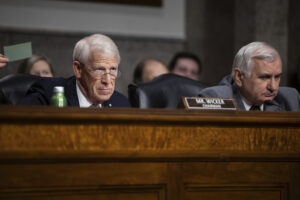
- Senate Armed Services chair slams Iran peace deal
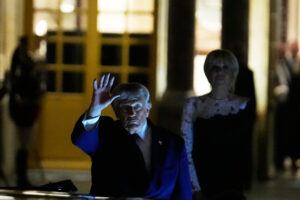
- Tom Kean Jr. will return June 30 to House, spokesperson says
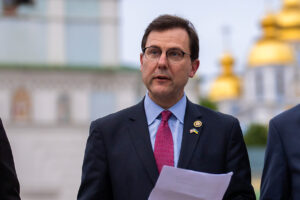
- White House delivers Iran agreement to Congress
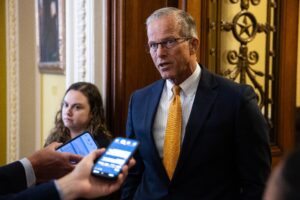
- Jay Clayton nomination remains up in the air, Thune says
- Smallest team, biggest pitch
- In the World Cup’s missing country, failure sparks bitter political battle
- The happiest World Cup game
-

 Politics1 year ago
Former ‘Squad’ members launching ‘Bowman and Bush’ YouTube show
-

 The Dictatorship1 year ago
Luigi Mangione acknowledges public support in first official statement since arrest
-

 Politics1 year ago
Former Kentucky AG Daniel Cameron launches Senate bid
-
Uncategorized2 years ago
Bob Good to step down as Freedom Caucus chair this week
-

 The Dictatorship1 year ago
Pete Hegseth’s tenure at the Pentagon goes from bad to worse
-

 The Josh Fourrier Show2 years ago
DOOMSDAY: Trump won, now what?
-

 Politics1 year ago
Blue Light News’s Editorial Director Ryan Hutchins speaks at Blue Light News’s 2025 Governors Summit
-

 The Dictatorship9 months ago
Mike Johnson sums up the GOP’s arrogant position on military occupation with two words