
Congress
The Congress Issue




After nearly three decades on Capitol Hill, Sen. John Thune (R-S.D.) reached the apex of his career as the new Senate majority leader and head of the Republican caucus. But he’s also reached a personal crossroads — and how he navigates it will determine his legacy and the future of the American experiment.
There’s no question that Thune is a conservative who supports President Donald Trump’s agenda, despite his previous opposition to Trump becoming the GOP nominee. But temperamentally, he’d seem to be at odds with Trump’s aggressive, norm-breaking approach to the presidency.
“In a move-fast-and-break-things era of anti-government ardor, he’s virtually a public-sector lifer, an easy-does-it institutionalist,” writes Michael Kruse in this week’s Friday Read. “The subject of nary a scandal and scant few lengthy profiles for somebody of his stature, John Randolph Thune — by upbringing, experience and disposition — is the utter antithesis of Donald John Trump.”
The question for Thune is whether he wants to be remembered as the man who tolerated Trump’s worst excesses in service of his political project, or as the institutionalist who drew a line in the sand. And so far — to the delight of MAGA skeptics and the chagrin of Democrats and anti-Trump Republicans who respect Thune — he’s choosing the first path.
“I would hope there’s a little inner turmoil,” said longtime John McCain adviser Mark Salter. “You are watching the executive branch usurp all the power and authorities given Congress under Article I,” he continued. “Maybe he thinks, ‘I’ll preserve my influence, and down the road, when something worse comes along, I’ll be able to stop him from doing it’ — but it’s going to get harder to oppose him, not easier.”

“WTF? @SenSchumer please grow a spine. And quickly.”
Can you guess who tweeted this at Democratic Senate Minority Leader Chuck Schumer? Scroll to the bottom for the answer.**


How the Media Missed the Missing Congresswoman … The first notable thing about the news that Texas Rep. Kay Granger had been living in an assisted-living facility with dementia for months was that a sitting member of Congress was unable to carry out her duties. The second notable thing was that no one had noticed. Washington probably has the highest journalist-to-everyone-else ratio of any city in the country, and yet it was a small conservative website called The Dallas Express that got the scoop. A Congresswoman vanished — and not one D.C. outlet reported it. Why? In this week’s Capital City column, Michael Schaffer digs into the story of how the media missed the story.

Wait, was something supposed to happen on Saturday? Why are all your Democratic friends mad at Chuck Schumer? No one needs to know that you missed one of the most dramatic government shutdown showdowns in history. Just use these talking points and everyone will think you were practically glued to C-SPAN this week. (From Associate Editor Dylon Jones)
- Share a bit of context to telegraph that you remember how shutdown negotiations typically go — and why this time was different: “When the majority party needs votes from the other side, they used to reach out to try and make a deal. Sometimes the president himself would get involved. But the GOP didn’t even try. As POLITICO put it, ‘the White House’s posture smacks of over-confidence bordering on arrogance.’”
- You won’t look like a keen White House observer unless you bring up just how ugly and personal the president got as the deadline for averting the shutdown loomed: “Trump was in a meeting with the Irish prime minister when he decided to say that Schumer, the highest ranking Jewish elected official in the country, is ‘not Jewish anymore. He’s Palestinian.’ He’d previously said Schumer is a ‘proud member of Hamas.’ Something tells me Trump didn’t exactly consult a rabbi on that one. And yeesh, must have been awkward for the prime minister. ”
- Drop a detail that indicates you were refreshing Hill reporters’ Twitter pages as Democrats debated their position this week: “Did everyone see that reporters could hear Sen. Kirsten Gillibrand arguing against the shutdown through a closed door on Thursday? You’d think they’d have improved the sound-proofing at the Capitol over the last 231 years or so.”
- Everyone will be talking about progressives like Rep. Alexandria Ocasio-Cortez and Sen. Bernie Sanders condemning Schumer’s decision to support the Republican spending bill to avoid a shutdown. But as a sharp political observer, you’ll be able to point out that the criticism isn’t just coming from the party’s leftmost flank: “Multiple Biden advisers threw stones at Schumer as well. More importantly, so did Rep. Nancy Pelosi, one of the most effective wielders of power the party has ever seen, albeit somewhat obliquely. ‘Let’s be clear: neither is a good option for the American people,’ she posted on X, referring to the choice between the bill and a shutdown. ‘But this false choice that some are buying instead of fighting is unacceptable.’”


The 5 Most Stylish Men in Congress … Congress may be dysfunctional, but that doesn’t mean it can’t be fashionable. There are a handful of members who know how to turn a look — if not how to turn a bill into law. Menswear critic Derek Guy highlights the five most stylish men in Congress, and what makes them stand out from their frumpy colleagues.


The Navy SEALs Take Congress … One group of Americans has recently achieved greater representation in Congress than ever before: Navy SEALs. There are seven Navy SEAL vets in Congress, and their ascension marks a notable shift both in the military and in politics. Compared to past veteran lawmakers, “the current generation of ex-SEALs, who mostly came of fighting age during the Gulf War and the war on terror, have eagerly embraced a more combative style of politics,” writes Ian Ward, “one that favors partisan warfare, legislative brinkmanship and an open embrace of Trump.”

D.C.’s Big-Dollar Dining Habits Exposed … When members of Congress use campaign or PAC funds to wine and dine, they have to report that spending. So Senior Data Reporter Jessica Piper crunched the numbers to find out where Democrats and Republicans like to crunch on grub — and found a feast of insights. Any guesses which party prefers steakhouses and which one likes European bistros? How about what representative spent $155,563.09 at The Capital Grille alone? Your smorgasbord of delicious D.C. dining details is served.

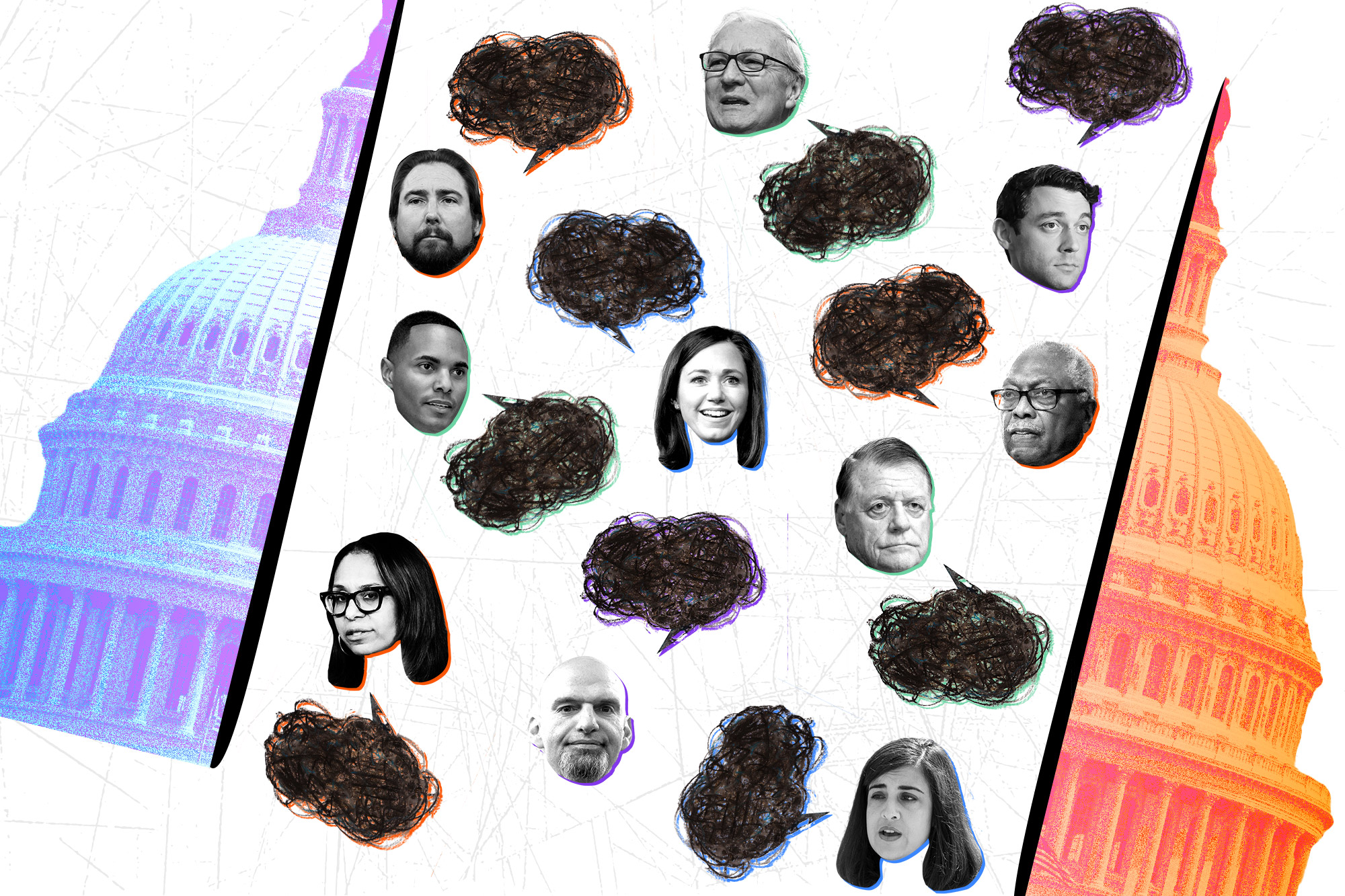
Congress Spills Secrets on Congress … Last week, we got 25 members of Congress to give us their unvarnished view of insider life on Blue Light News — and they did not hold back. We’re talking sex, drinking and dementia — which colleagues they can’t stand and how they’d change the institution if given a chance. Get ready to see Congress like you’ve never seen it before.

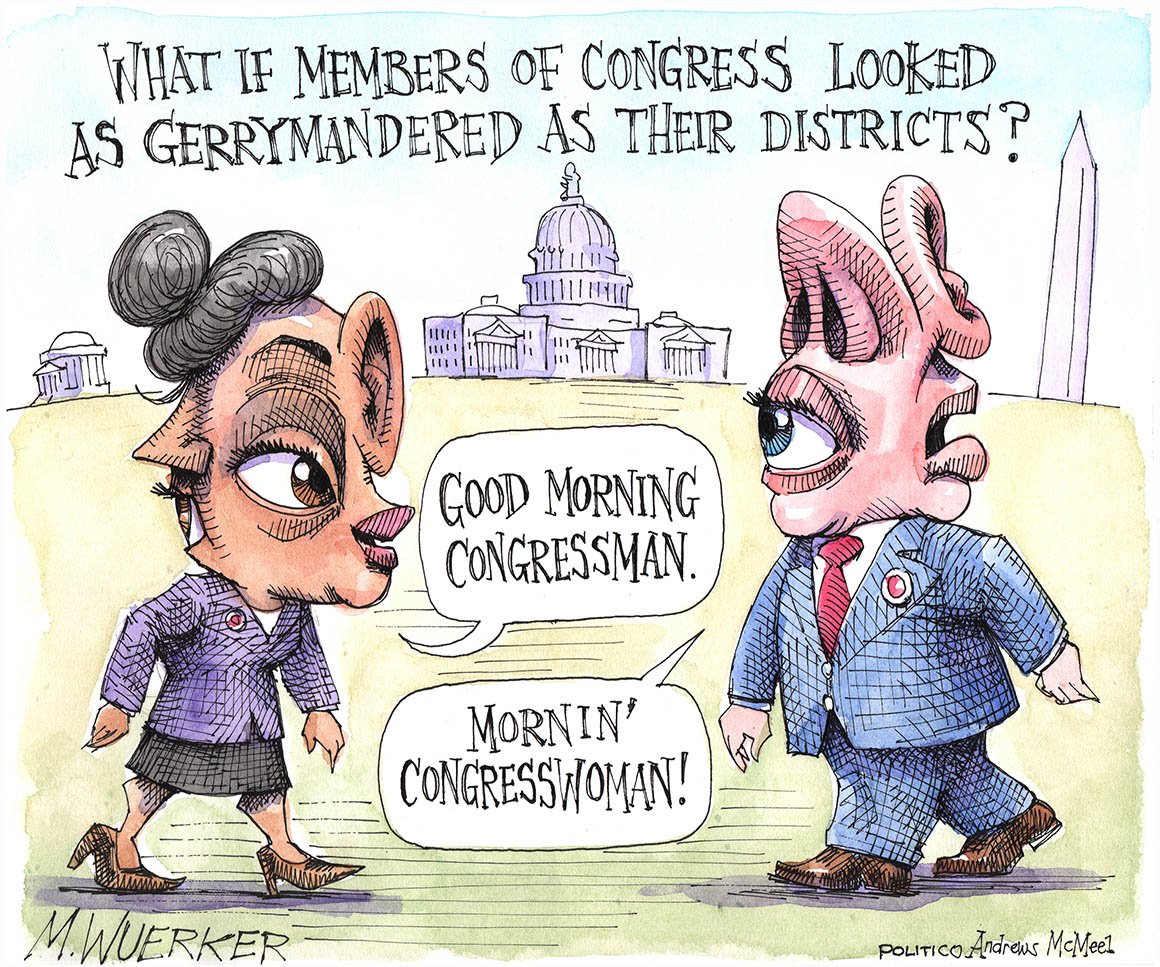
From the drafting table of editorial cartoonist Matt Wuerker.
Who Dissed? Answer: That would be one of former President Joe Biden’s old advisers, Susan Rice.


Sen. Elizabeth Warren may get her clearest shot yet to take on corporate America next year — thanks to the once unthinkable help of Republicans.
The Massachusetts Democrat is poised to chair Senate Banking if the party takes back the chamber. And while the progressive has long been a boogeyman to corporate America, lobbyists worry she’ll have powerful backup thanks to the surge of populist Republicans eager to take big swings at Wall Street and Big Tech.
One longtime financial industry lobbyist, granted anonymity to speak candidly, said Warren “has a streak that is not just wanting to be a progressive gadfly, but to actually reach across the aisle to push for policy ideas.” There is “absolutely” reason for concern, the person said.
Atop the panel, Warren would also have a strong position to shape the 2028 presidential debates on both sides.
“There’s very little doubt that the agenda of the Senate Banking Committee is going to overlap substantially with the core issues that the candidates in the 2028 election cycle are going to be grappling with,” said Dennis Kelleher, the outgoing leader of the progressive group Better Markets.
As Banking chair, Warren is expected to try to recruit Republicans in a crackdown on artificial intelligence — specifically restrictions on chip giant Nvidia’s exports to China, which already has some GOP support — and a follow-up of this year’s bipartisan housing law that sought to rein in private equity’s role in the market, according to people close to the senator.
Some of President Donald Trump’s own populist ideas, like credit card interest rate caps and limits on stock buybacks for defense contractors, would provide fertile ground for Warren.
But Trump would also likely be Warren’s biggest obstacle, as he’s been resistant to embrace policy overlaps with her. He’s also been resistant to any AI restrictions.
Warren’s approach also threatens to expose rifts between GOP populists who have been ascendent under Trump and more mainstream conservatives.
Asked about the possibility of a Chair Warren, Sen. Mike Rounds, a more moderate South Dakota Republican, said he doesn’t “think anything would get done except lots of investigations and lots of accusations.”
What else we’re watching:
— LAWMAKERS CLAMOR FOR GAO v. TRUMP — Lawmakers are desperate for a government watchdog to step up and help them in their fight against the Trump administration over control of federal cash. The independent Government Accountability Office concluded earlier this week that the White House illegally withheld more than $1 billion for education and health care research programs — the latest in more than a half-dozen such findings GAO has published since the start of Trump’s second term. But the agency has yet to use its unique power to take the president to court to challenge those “impoundments,” and lawmakers who are tired of the administration running roughshod over their funding prerogatives want GAO to act.
— MURPHY’S DEFENSE FUNDING ULTIMATUM — Democrats should not approve Pentagon funding or the annual defense policy bill if they control Congress next year unless those bills would hasten the end of the Iran war, Sen. Chris Murphy told reporters Thursday. “We should make the end of the war a priority,” said the Foreign Relations Democrat who was returning from a trip to Saudi Arabia and Qatar. Murphy also accused Defense Secretary Pete Hegseth and officials of attempting a “cover-up” of the war’s damage and obscuring its true cost after he was denied entry on a base in Qatar. Given the damage to bases in the region, Murphy also told reporters that the U.S. should “reconsider its footprint” in the Middle East.
Jasper Goodman, Jennifer Scholtes and Connor O’Brien contributed to this report.
Members of Congress are desperate for backup in their battle with the Trump administration over control of federal cash. The oversight agency that would lean into that fight is sitting on its hands.
The independent Government Accountability Office concluded earlier this week that the White House illegally withheld more than $1 billion for education and health care research programs — the latest in more than a half-dozen such findings GAO has published since the start of President Donald Trump’s second term.
But the agency has yet to use its unique power to take the president to court to challenge those “impoundments,” and lawmakers who are tired of the administration running roughshod over their funding prerogatives want GAO to act.
There’s one problem: GAO is currently run by an interim director, acting Comptroller General Orice Williams Brown, because the Senate has yet to confirm a long-term replacement following her predecessor’s retirement last year. And lawmakers fear she’s reluctant to exercise her temporary authority to take such dramatic legal action.
“They are empowered to sue,” Sen. Susan Collins (R-Maine), chair of the Senate Appropriations Committee, told reporters last week. “I think the biggest problem is that we have an acting director of the GAO, who understandably is wary of suing the administration without direct congressional approval.”
The recent rulings came on the heels of Trump’s unilateral cancellation of $810 million in other congressionally approved spending the previous week — which GAO quickly deemed illegal — as well as his decision to allow hundreds of millions more to expire as the fiscal year ended Sept. 30.
The search for a permanent GAO leader, meanwhile, appears to be at a standstill. A designated group of 10 senior lawmakers is supposed to be searching for replacement candidates to recommend for Trump’s nomination, but the members have yet to meet — nine months since former Comptroller General Gene Dodaro departed at the end of his 15-year term.
“We would like a GAO director who’s a man or a woman of integrity and going to do the job that needs to be done. That’s our focus,” said Sen. Gary Peters of Michigan, who is part of the selection group as the top Democrat on the Homeland Security and Governmental Affairs Committee.
He said it was accurate that the group has made no progress toward recommending nominees.
The Washington Sun reported Thursday that the administration has floated the idea of Trump nominating Eric Ueland, a top official at the White House budget office and former longtime Senate aide, to head GAO. Blue Light News has not independently confirmed the potential nomination.
If Ueland is nominated, however, there is no guarantee he would have the votes for confirmation in a narrowly divided Senate, given the perception of his loyalty to the president and doubt he would challenge Trump’s funding moves.
In the meantime, lawmakers in both parties are urging the acting director to sue, while a GAO spokesperson maintains that the agency “has not made a decision to file any lawsuits at this time” and that the acting comptroller general “legally exercises all the functions and duties” of the role.
The fact that GAO is operating without a Senate-confirmed leader “is definitely stifling their ability to hold the administration accountable,” Sen. Chris Van Hollen (D-Md.) said in an interview, adding that he believed Dodaro was “clearly building toward making a case” prior to his retirement.
Dodaro said in an interview during his final days at GAO that he considered a lawsuit against the Trump administration “a last resort.” He explained that “in every case we’ve identified so far, people were already suing” and that “Congress has the ability to correct these things and to deal with the distribution of funds.”
What the former inspector general did not expect, however, is the Supreme Court’s suggestion last fall that GAO is the only entity with standing to sue the Trump administration for violating the decades-old Impoundment Control Act, which was designed to ensure presidents spend all the money Congress approves.
Dodaro said he was “surprised” by that suggestion, given his belief that “the law is very clear that GAO’s ability to sue doesn’t preclude anybody else from suing.”
A year later, the president has continued to flout Congress’ authority to dictate how federal dollars get spent. Top administration officials and some Republicans in Congress have publicly belittled GAO as a partisan and noncredible oversight agency since Trump’s return to office.
And after the federal watchdog concluded last week that Trump’s recent funding cancellation is unconstitutional, White House budget director Russ Vought claimed on social media that GAO makes its “legal assessments based on whether Democrats are in the White House.”
Potentially bolstering GAO’s arguments in a lawsuit, lawmakers added provisions to the government funding bills Trump signed into law this year designed to protect their own power of the purse, though Republicans bucked Democratic demands to enact the most aggressive constraints — including to block Trump’s ability to cancel federal dollars at the end of the fiscal year.
Some Republicans are now embracing more stringent methods to stifle Trump’s funding moves, however, after he slashed hundreds of millions dollars through the “pocket rescissions” tactic last month.
“I’m very disappointed in their action here, and it will have to be rectified,” Sen. Mike Rounds, a South Dakota Republican, said about Trump’s latest funding cancellation in an interview.
But he also said he doesn’t know if GAO or another entity should sue: “I’m not sure who should do it. All I know is I want a different result than what we have right now.”
Members of Congress are desperate for backup in their battle with the Trump administration over control of federal cash. The oversight agency that would lean into that fight is sitting on its hands.
The independent Government Accountability Office concluded earlier this week that the White House illegally withheld more than $1 billion for education and health care research programs — the latest in more than a half-dozen such findings GAO has published since the start of President Donald Trump’s second term.
But the agency has yet to use its unique power to take the president to court to challenge those “impoundments,” and lawmakers who are tired of the administration running roughshod over their funding prerogatives want GAO to act.
There’s one problem: GAO is currently run by an interim director, acting Comptroller General Orice Williams Brown, because the Senate has yet to confirm a long-term replacement following her predecessor’s retirement last year. And lawmakers fear she’s reluctant to exercise her temporary authority to take such dramatic legal action.
“They are empowered to sue,” Sen. Susan Collins (R-Maine), chair of the Senate Appropriations Committee, told reporters last week. “I think the biggest problem is that we have an acting director of the GAO, who understandably is wary of suing the administration without direct congressional approval.”
The recent rulings came on the heels of Trump’s unilateral cancellation of $810 million in other congressionally approved spending the previous week — which GAO quickly deemed illegal — as well as his decision to allow hundreds of millions more to expire as the fiscal year ended Sept. 30.
The search for a permanent GAO leader, meanwhile, appears to be at a standstill. A designated group of 10 senior lawmakers is supposed to be searching for replacement candidates to recommend for Trump’s nomination, but the members have yet to meet — nine months since former Comptroller General Gene Dodaro departed at the end of his 15-year term.
“We would like a GAO director who’s a man or a woman of integrity and going to do the job that needs to be done. That’s our focus,” said Sen. Gary Peters of Michigan, who is part of the selection group as the top Democrat on the Homeland Security and Governmental Affairs Committee.
He said it was accurate that the group has made no progress toward recommending nominees.
The Washington Sun reported Thursday that the administration has floated the idea of Trump nominating Eric Ueland, a top official at the White House budget office and former longtime Senate aide, to head GAO. Blue Light News has not independently confirmed the potential nomination.
If Ueland is nominated, however, there is no guarantee he would have the votes for confirmation in a narrowly divided Senate, given the perception of his loyalty to the president and doubt he would challenge Trump’s funding moves.
In the meantime, lawmakers in both parties are urging the acting director to sue, while a GAO spokesperson maintains that the agency “has not made a decision to file any lawsuits at this time” and that the acting comptroller general “legally exercises all the functions and duties” of the role.
The fact that GAO is operating without a Senate-confirmed leader “is definitely stifling their ability to hold the administration accountable,” Sen. Chris Van Hollen (D-Md.) said in an interview, adding that he believed Dodaro was “clearly building toward making a case” prior to his retirement.
Dodaro said in an interview during his final days at GAO that he considered a lawsuit against the Trump administration “a last resort.” He explained that “in every case we’ve identified so far, people were already suing” and that “Congress has the ability to correct these things and to deal with the distribution of funds.”
What the former inspector general did not expect, however, is the Supreme Court’s suggestion last fall that GAO is the only entity with standing to sue the Trump administration for violating the decades-old Impoundment Control Act, which was designed to ensure presidents spend all the money Congress approves.
Dodaro said he was “surprised” by that suggestion, given his belief that “the law is very clear that GAO’s ability to sue doesn’t preclude anybody else from suing.”
A year later, the president has continued to flout Congress’ authority to dictate how federal dollars get spent. Top administration officials and some Republicans in Congress have publicly belittled GAO as a partisan and noncredible oversight agency since Trump’s return to office.
And after the federal watchdog concluded last week that Trump’s recent funding cancellation is unconstitutional, White House budget director Russ Vought claimed on social media that GAO makes its “legal assessments based on whether Democrats are in the White House.”
Potentially bolstering GAO’s arguments in a lawsuit, lawmakers added provisions to the government funding bills Trump signed into law this year designed to protect their own power of the purse, though Republicans bucked Democratic demands to enact the most aggressive constraints — including to block Trump’s ability to cancel federal dollars at the end of the fiscal year.
Some Republicans are now embracing more stringent methods to stifle Trump’s funding moves, however, after he slashed hundreds of millions dollars through the “pocket rescissions” tactic last month.
“I’m very disappointed in their action here, and it will have to be rectified,” Sen. Mike Rounds, a South Dakota Republican, said about Trump’s latest funding cancellation in an interview.
But he also said he doesn’t know if GAO or another entity should sue: “I’m not sure who should do it. All I know is I want a different result than what we have right now.”
- Hegseth faces bipartisan backlash over public execution for Fort Hood shooter
- Capitol agenda: How Warren could link arms with Trump’s GOP
- Even some Republicans want this watchdog agency to sue Trump
- Grassley slams Democrats for ‘falling over themselves’ to defend Jack Smith
- This watchdog can bark. Congress wants it to bite.
- Byron Donalds says he is not a ‘yes man’ to Trump

- Mike Rogers opens the door for AIPAC support in Michigan Senate race
- Hegseth: Military will publicly execute Fort Hood shooter
- Mike Johnson voices uncertainty about his future if GOP loses control
- Capitol agenda: GOP ads have yet to overwhelm voters, poll finds
-

 Politics2 years ago
Former ‘Squad’ members launching ‘Bowman and Bush’ YouTube show
-
Uncategorized2 years ago
Bob Good to step down as Freedom Caucus chair this week
-

 The Josh Fourrier Show2 years ago
DOOMSDAY: Trump won, now what?
-

 The Dictatorship2 years ago
Pete Hegseth’s tenure at the Pentagon goes from bad to worse
-

 Politics2 years ago
Former Kentucky AG Daniel Cameron launches Senate bid
-

 The Dictatorship2 years ago
Luigi Mangione acknowledges public support in first official statement since arrest
-

 Politics2 years ago
Blue Light News’s Editorial Director Ryan Hutchins speaks at Blue Light News’s 2025 Governors Summit
-

 The Dictatorship1 year ago
Mike Johnson sums up the GOP’s arrogant position on military occupation with two words