
Congress
All that glitters

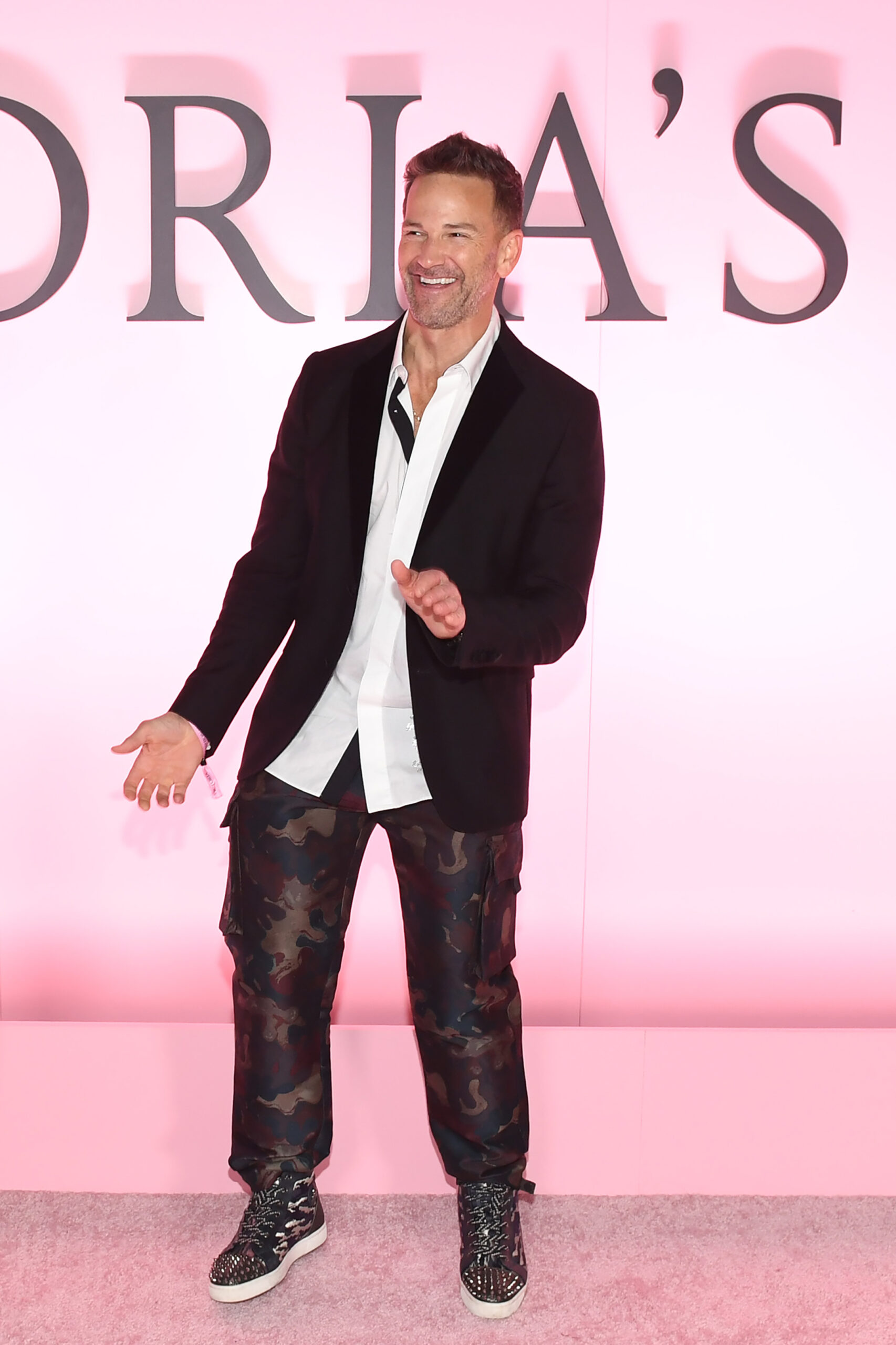
Aaron Schock could not stop talking about the gold. He returned from a trip to Caracas in early 2025 telling a confidant that Venezuela’s vice president had promised him a gold mine — an honest-to-god gold mine — if he could get U.S. sanctions lifted on the country.
No one around Schock could know whether the agreement was real. Like many things in Schock’s life, it could have been a gilded mirage distracting from a more complicated truth. But for much of the year, those who interacted with him saw a man animated by the promise of gold, part of a supposedly eight-figure payday that Schock told business associate Benjamin Papermaster awaited him if he managed to keep Venezuela’s relations with the United States from further souring. Schock grew seemingly transfixed with the arcane mechanics of turning a precious metal into wealth: finding a refinery, then a specialist who could extricate the crucial element from dilute ore.
“Gold guy is available in 5-10 minutes,” Schock texted Papermaster one day last February, according to a message viewed by Blue Light News.
The former Illinois Republican lawmaker had had a rough decade since resigning from Congress in 2015 amid an ethics investigation into alleged spending abuses. A decision to come out as gay in March of 2020 estranged him from family back in the Midwest. Since then, Schock had fled to Beverly Hills and reinvented himself as a hotel developer just as the hospitality industry struggled from the coronavirus pandemic. But you wouldn’t have known that from the celebratory Instagram posts of ribbon cuttings in Los Angeles and New York City from the disgraced congressman who still cut the handsome figure of the boy next door.
Donald Trump’s reelection in November 2024 was a godsend for Schock. A wealthy and powerful Trump donor was ready to pay him $100,000 to return to Washington’s corridors at a moment when his earlier transgressions there might not any longer be legible as scandal. Schock was driven to develop a strategy that would keep Trump’s relationship with Venezuelan President Nicolás Maduro intact so American oil business could resume operations undisturbed.
Schock traveled Venezuela, growing consumed with a future windfall embedded in a larger quest to rehab his reputation, according to a year’s worth of Schock’s personal calendar entries, private group chats and five months of bank transactions, alongside interviews with Schock’s associates in the chats, including Papermaster, the top aide managing the project for him. Papermaster, who previously knew Schock socially but was unfamiliar with politics, ultimately turned on Schock due to what he described as a failure to uphold his end of the business relationship.
Schock did not respond to multiple text messages, emails, phone calls and a letter sent via certified mail to his Beverly Hills home. An intermediary, Republican operative Caroline Wren, said Schock told her that he would not “engage in a coordinated hit piece.” Delcy Rodríguez, who was vice president of Venezuela at the time of Schock’s visit to Caracas and now serves as president, declined to comment through a government spokesperson.
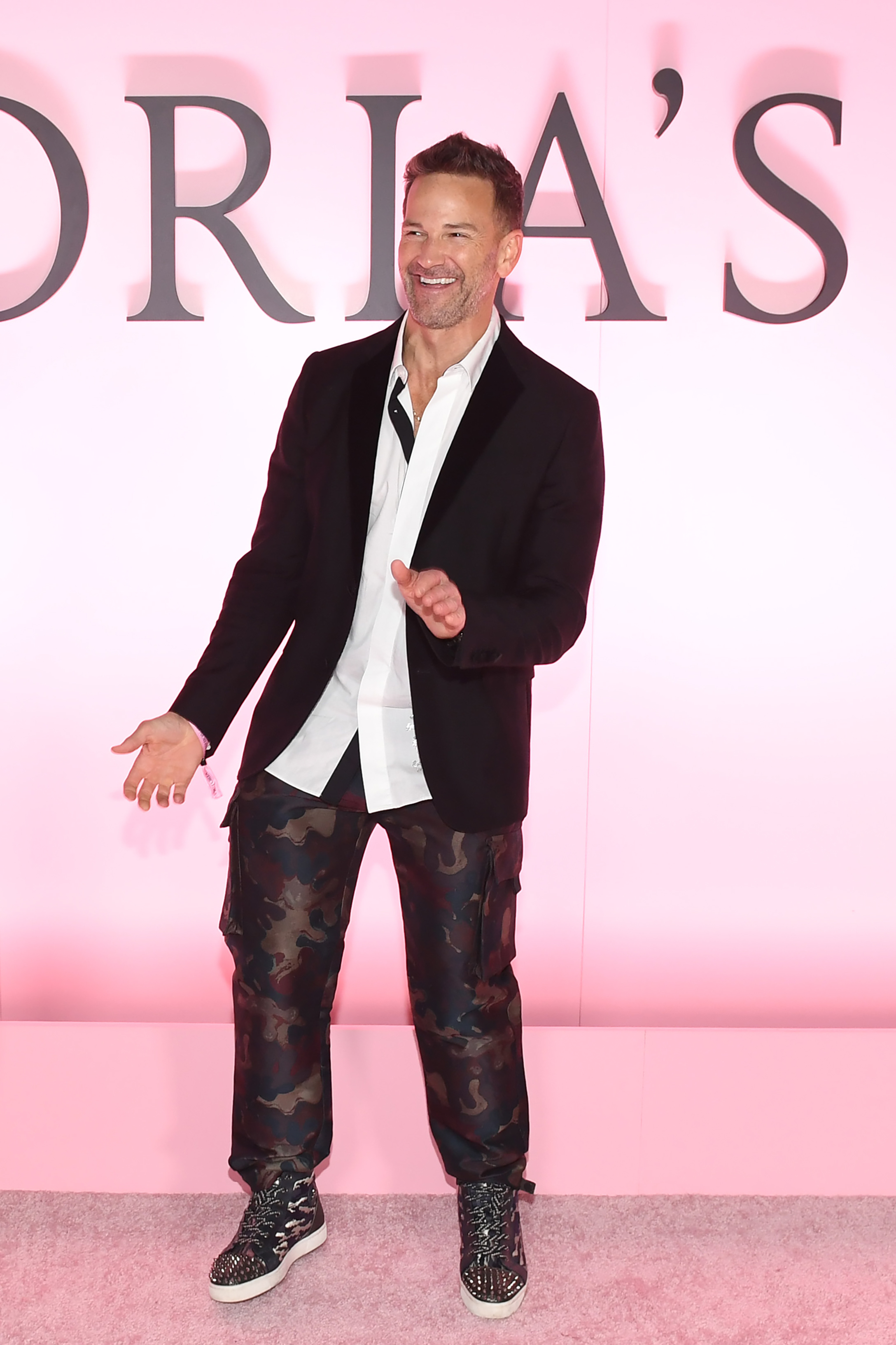
MAGA’s cast of throwback characters has undercut the maxim that there are no second acts in American life. Schock’s return to the political scene came freighted with international intrigue, a jet-setting influence broker directing a transatlantic operation to keep the United States out of war. The attempt to reinvent himself as a kind of global fixer after navigating years of federal prosecution led Schock into a cul de sac of MAGA influencers and oil interests looking to give shape to a president’s fluid ideas about foreign policy.
“He’s going to fight to the death to get this oil deal, this gold deal,” said Papermaster, who served as an aide-de-camp during Schock’s year-long quest to redefine Venezuela policy. “And he’s gonna let everything else around him collapse.”
He who wrestles with you
Schock rose through politics with striking ease. He won election to his local school board at 19, four years later its president and then a seat in the state legislature while serving as a Peoria-based executive for a national real estate developer.
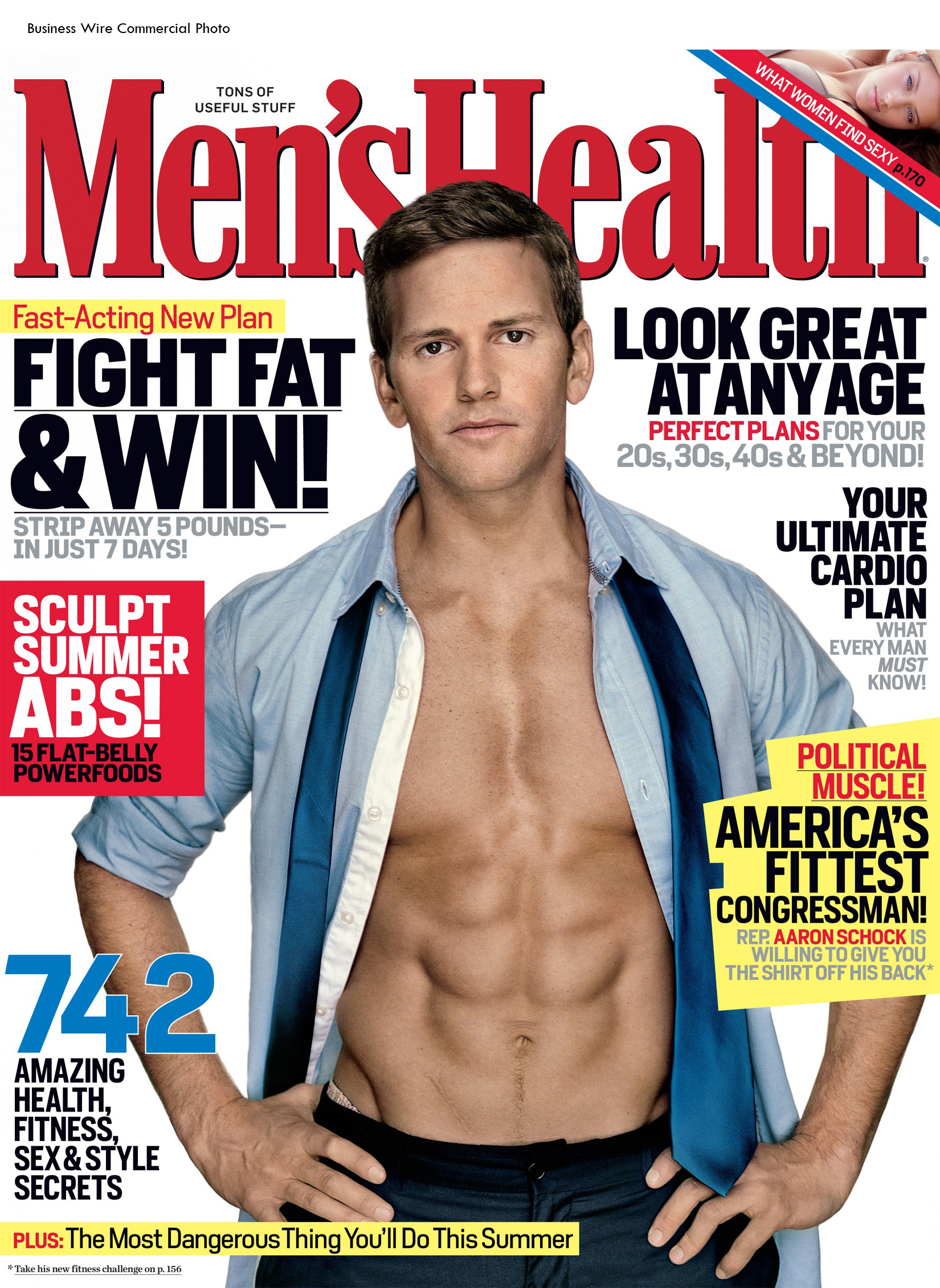
From his perch as the first millennial to enter Congress, in 2009, and representing a rural and small-town-dotted swath of central and western Illinois, he had a prized seat on the powerful Ways and Means Committee, served on the House whip team and had even kicked the tires on a gubernatorial bid — “one of the rising stars of the Republican Party” — The Washington Post called him. His six-pack abs landed him on a glossy Men’s Health cover, and his globe-trotting travel to exotic destinations became an object of fascination on Capitol Hill and beyond.
“I think the people that he represented thought he was a very good congressman,” said former Transportation Secretary Ray LaHood, whom Schock succeeded in the district. “He won his elections overwhelmingly.”
In 2015, Schock’s personal life began to overshadow his work as a lawmaker. The Post Style section detailed his ostentatiously appointed congressional office in the Rayburn Office Building, one apparently modeled after the red room in the British PBS period drama “Downton Abbey”. “I’m different. I came to Congress at 27,” Schock told ABC News at the time. “When I go take a personal vacation I don’t sit on the beach, I go do active things. And so, I’m also not going to live in a cave. So when I post an Instagram Photo with me and my friends, as Taylor Swift said, ‘Haters gonna hate.’”
Accusations of sloppy — or, in some cases, entirely absent — congressional and campaign accounting piled up. There was an $800 duty-free expenditure on “event supplies” at a Galeão International Airport shop during a 2014 trip to Rio de Janeiro, which his campaign described at the time as “gift shop items for fundraising and donors.” There was $1,600 that his congressional office paid to campaign consultants, and a dinner in New Delhi classified as a fundraising expense. The Associated Press linked him to dozens of flights on donors’ planes, unreported in-kind gifts totaling $40,000. Amid the scrutiny, Schock agreed to conduct a review of his office’s spending practices and eventually paid back some money he acknowledged having been unfairly reimbursed.
“While this may all be unethical, I gotta admit, it looks really fun to be this guy,” Jon Stewart joked over a montage of Schock’s Instagram feed set to Swift’s “Shake It Off.”
In April 2015, as an Illinois-based federal grand jury prepared to hear evidence about the alleged impropriety, Schock resigned from Congress. The next year he was charged with “defrauding the federal government” and “covering it up with false and fraudulent statements, claims and invoices.” In their indictment, prosecutors alleged that Schock had billed more than $100,000 in personal expenses to taxpayers and campaign committees, crimes which could draw an 80-year sentence. Schock maintained his innocence, and challenged the indictment on procedural and constitutional grounds.

As the case dragged on for four years, Schock relocated to California and grew a beard as he fixated on fixing up his Beverly Hills apartment. From there he returned to his pre-congressional line of work, joining partners in 2016 to invest in what Schock called a “dilapidated office building” across from Los Angeles International Airport, with plans to turn it into a Hyatt Place. Later that year, he opened Fouquet’s New York hotel in Tribeca in partnership with Caspi Development and Los Angeles real estate magnate Jim Parks.
As Schock assembled a coastal real estate portfolio, whatever links remained to his time as a rising heartland politician were dissolved. Federal prosecutors agreed in March 2019 to drop 24 felony charges in an agreement that paved the way for Schock to admit wrongdoing, reimburse funds and pay back the Internal Revenue Service.
“Four years ago, I left office among a lot of media flurry that I said then was overblown and unjustified,” he said at the federal courthouse in Chicago after the deferred prosecution agreement was announced. “But I said then what I said today in court, which was my office and I could have done a better job in administrative functions at the back end of our office. I attempted then as I have attempted now to make restitution for those mistakes. But there’s a difference between mistakes and crimes.” He said he “felt wronged” by a prosecutor who he said “saw me as his ticket to stardom.”
Schock said he was “looking forward to pursuing opportunities in the private sector. I’ll always have a heart to serve, that doesn’t mean I have to run for office. There are other ways to serve your community.”
He acknowledged learning “lots in the process.”
“I’m reminded of Edmund Burke, the famous British parliamentarian, who said ‘he who wrestles with you strengthens you,’” Schock told reporters, “and so I’m focused on the future not the past.”
Out and about
His past was not done with him yet. The following year, in a letter posted to his tens of thousands of Instagram followers in March 2020, Schock came out as gay. He recounted his conservative upbringing in the Apostolic Christian Church of the rural Midwest. It was, he admitted, an environment in which he “thrived.”
“It helped me to live with a feeling of purpose and taught me to try to treat others as I would want to be treated. Memorizing Bible verses, going to church camp, attending service at least twice a week, that was my world.”
In the Instagram post, he wrestled with the figure he had cut in Congress, writing that “I received a lot of attention” that he confessed to enjoying. Congress, Schock wrote, gave him “more excuses to buy time and avoid being the person I’ve always been.” He recognized that he held a position on same-sex marriage that was consistent with the leaders of his party at the time but not true to himself.
“Whatever comes next for me, at least the story will be authentic, and good things usually follow from that,” he wrote.
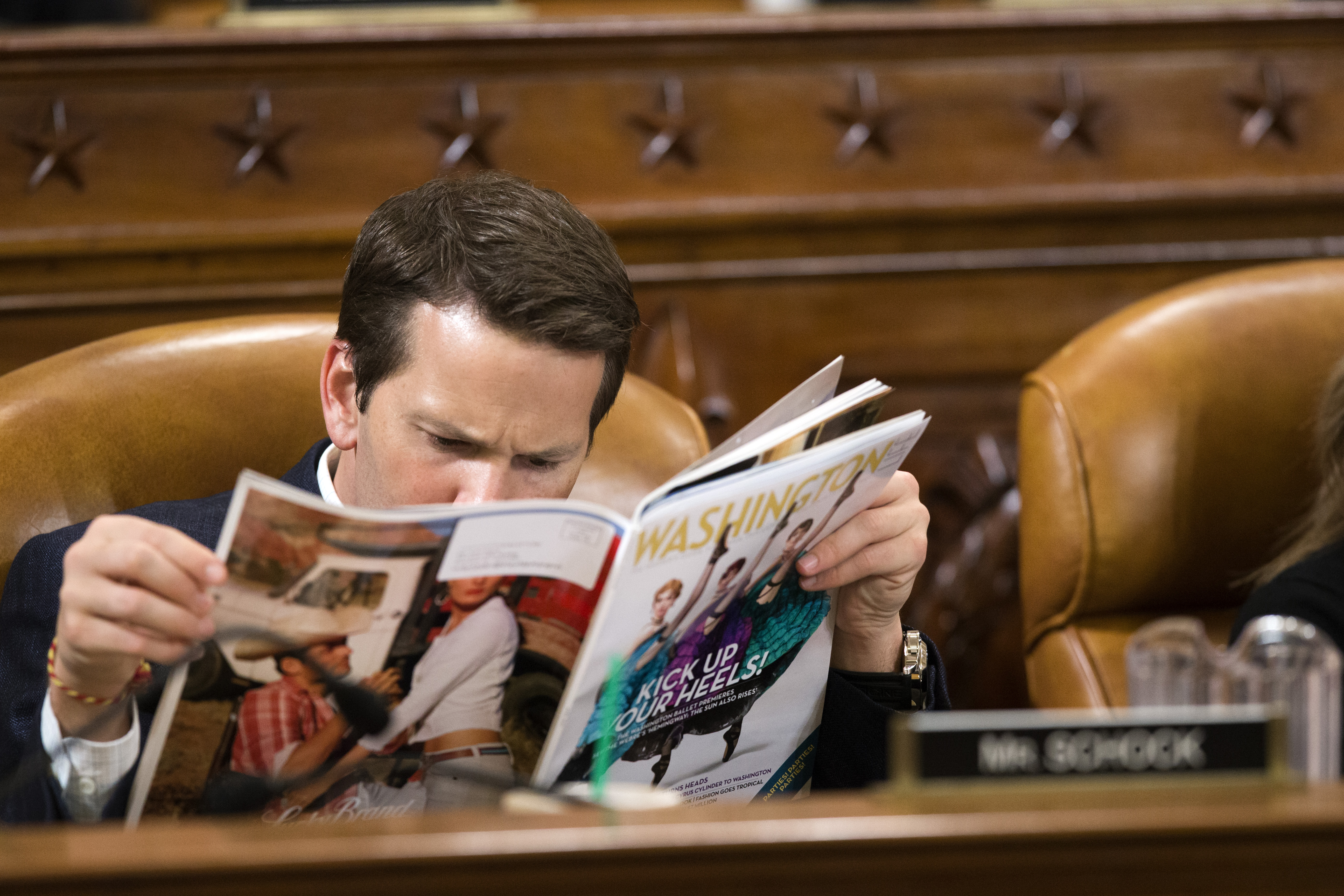
Gay and lesbian Democrats often responded to Schock’s announcement by pointing to his voting record — against allowing gays and lesbians to serve openly in the military, for example — as evidence of his hypocrisy. But those in the MAGA movement, seeking to expand Trump’s coalition as he sought a return to the White House, embraced Schock.
In 2021, he traveled to Nashville to join former acting national intelligence director Richard Grenell at a pride event organized by the Log Cabin Republicans’ media outlet Outspoken. Schock had first befriended Grenell, who had been the only openly gay acting Cabinet-level official in U.S. history, amid California’s network of politically connected gay Republicans.
As big city hotel projects opened to the public, Schock’s reputation stalked him. In a review of his Los Angeles airport hotels, influential travel blogger Ben Schlappig wrote: “All things considered I was impressed by this property, and in some ways I prefer it to the Hyatt Regency LAX. However, I wouldn’t stay again, because I have issues supporting the owner and developer of the property (Aaron Schock).”
Schock soon turned to less flashy real estate projects. He founded Schock & Haywood to develop apartment complexes across Florida and Georgia. Its most ambitious undertaking, a St. Petersburg site that Schock partnered with a bitcoin mining company to purchase in 2022, fell into disrepair as they struggled to win financing for a 22-story tower. Schock and his partners sold the site in 2024 for $2.3 million less than they acquired it, at just two-thirds of their original asking price.
As one of the country’s most prominent gay Republicans, Schock started trading ribbon cuttings for campaign stops. In 2024, he became one of the Log Cabin Republicans’ most prominent surrogates as the group threw itself fully behind Trump’s reelection. Schock spoke alongside Florida Rep. Matt Gaetz at a Log Cabin Republicans fundraiser in the Philadelphia suburbs, and then joined the group’s “Trump Unity” tour through eight battleground states.
After the election, Schock received an offer from Harry Sargeant III, a Florida-based Republican donor and longtime investor in Venezuela who told Blue Light News via text message he had known the former lawmaker for “many years.” Schock was “engaged in or about February 2025 for a one-time lump sum payment of $100,000,” according to Sargeant attorney Christopher Kise.
To keep his enterprise afloat in Venezuela, Sargeant needed to elevate those in the Trump administration who would push to repair relations rather than pursue regime change through punishing economic sanctions. In Papermaster’s telling, Sargeant saw Grenell, a skeptic about American interventionism whom Trump tapped for an ambiguous special-envoy role, as a likely champion of that agenda — and wanted Schock to help guide his approach to the new administration.
The pay was for “strategic consulting,” according to Kise, who denied that Schock was “engaged by Mr. Sargeant as a lobbyist and was not called on to perform lobbying services.” Kise said that Sargeant did not hire Schock in an effort to lift sanctions on his oil business.
“The notion that a highly successful businessman, with extensive historic political ties would place Aaron Schock at the center of any effort regarding the Trump Administration or Venezuelan business matters is simply untenable,” Kise continued in a May 8 letter, noting that Sargeant “has direct historic ties to Republican political circles, President Trump and his Administration, and to Venezuela.”
On Jan. 15, 2025, according to a copy of his personal calendar, Schock traveled by private jet from Miami Beach to Aspen, for Gay Ski Week, billed as seven nights of skiing, concerts, film screenings and symposiums. At the St. Regis Resort, he found himself sharing drinks with a business consultant he knew from Los Angeles named Benjamin Papermaster. Papermaster had spent enough time within earshot of Schock’s name-dropping to recognize the roll call of his contacts suddenly in the news — not just Grenell but incoming Trump Cabinet members whom he had served alongside in Congress like Department of Homeland Security Secretary Kristi Noem and Director of National Intelligence Tulsi Gabbard.
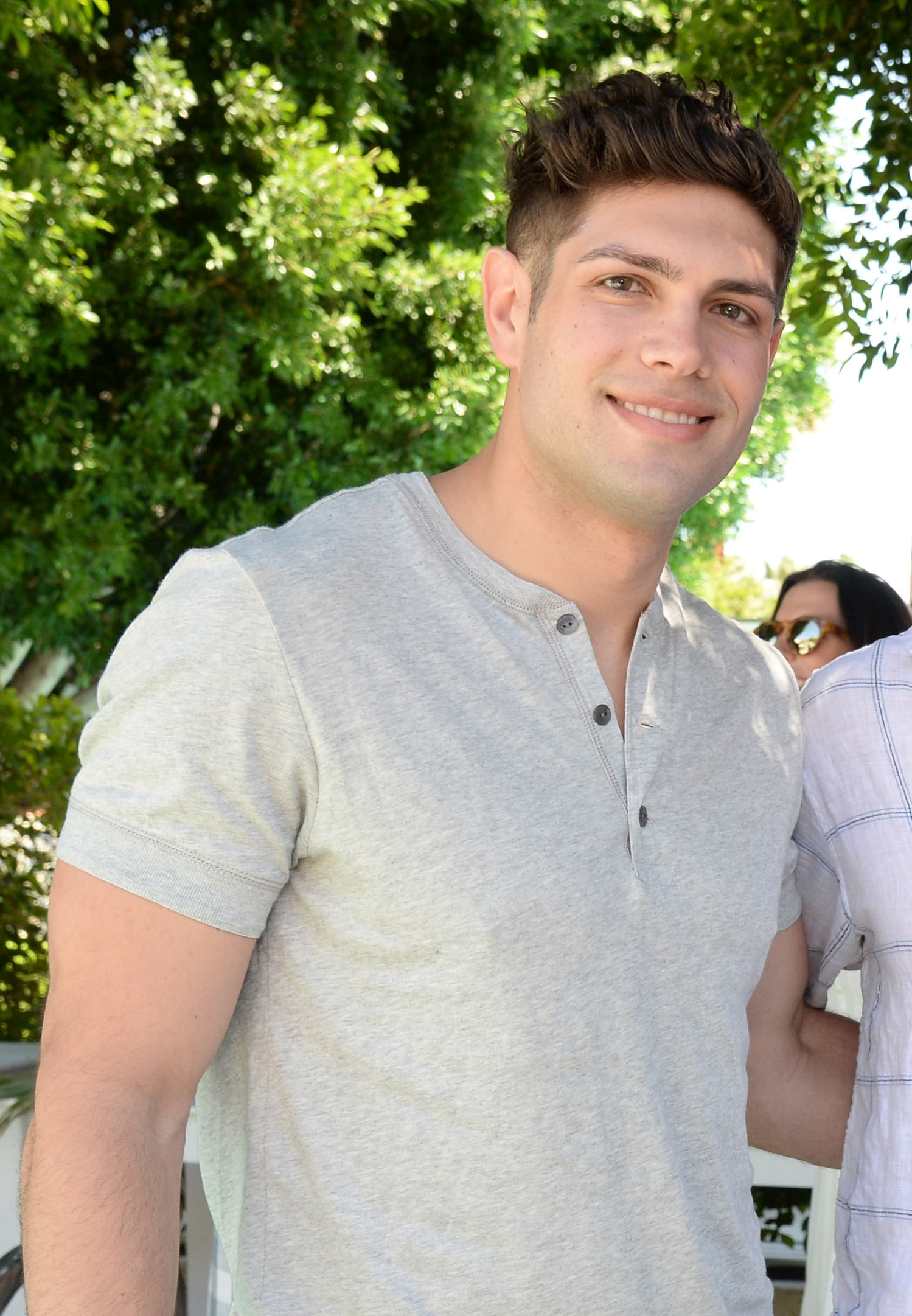
If handled correctly, Papermaster argued, Schock’s avocation as a Republican campaign surrogate could prove more lucrative than his chosen career in real estate. Papermaster volunteered to help manage a professional pivot.
“You’re uniquely positioned to really take advantage of this,” Papermaster recalls telling Schock. “This,” he explained, “could be your chance to come back.”
The Caracas gambit
Later that month, Schock headed to Caracas. According to a record of his credit card charges, he ate at one of the city’s most venerable steakhouses and stayed at a five-star hotel five miles from Miraflores Palace, the presidential office that during Trump’s first term had been the subject of a so-called maximum-pressure campaign from hawks like then-Republican Sen. Marco Rubio.
Schock would recount to Papermaster that it was during a meeting with Venezuelan Vice President Delcy Rodriguez that he heard the promise that bound him to the agenda of those who wanted a softer touch on Venezuela. If he managed to keep the hawks at bay during Trump’s second term, Schock told Papermaster, Rodriguez said she would award him a piece of her country’s sizable precious metals economy — his own gold mine. (Jihad Smaili, an American lawyer registered to lobby on Rodriguez’s behalf, said he would provide a comment for this article but did not.)
Schock grasped at the chance to diversify his benefactors beyond Sargeant. He was, after all, a real estate guy. He could see a gleaming finished property where others saw only a vacant lot. And the opinion landscape in Washington around Venezuela was exactly that. Now was time to build.
Schock set out to identify energy interests whose stakes in Venezuela led them to back a more dovish approach. Between ski trips to Mont Tremblant and Yellowstone, Schock worked with Papermaster to enlist a group of heavy-hitting bondholders who agreed to jointly finance a costly campaign to undermine the hawkish objectives of Rubio, now secretary of State, according to messages between them.
“Rubio is pushing regime change–using same maximum pressure as last time,” Schock wrote to allies in a WhatsApp group chat last spring, one of a number of messages in which Schock attempted to convey his knowledge of executive branch workings. The White House did not comment on Schock’s administration contacts.
Yet Schock’s mind was never fully dedicated to American foreign policy. The agenda for a March 31 phone call between Schock and Papermaster, as detailed in a screenshot obtained by Blue Light News: “Hotel remodel: sales, interiors, club/meeting space/drive/lawn; VZ: funds, message.”
Expense records submitted by Papermaster to a lawyer for one of Sargeant’s companies paint the portrait of the frenetic and high-flying life Schock maintained at his patron’s expense. (Schock acknowledged to Papermaster in a May 2025 message obtained by Blue Light News that he fronted Papermaster’s “expenses from Harry as well as your last month’s pay despite not getting reimbursed from him.”) The attorney, Ali Rahman, confirmed a payment to a vendor at least once in a message to Papermaster. Rahman did not respond to a request for comment for this article.
“Mr. Sargeant never agreed to pay, never paid, and never received any invoice, billing or reimbursement request for any alleged Schock expenses,” Kise wrote in a letter to Blue Light News.
Over the five months beginning March 6, Schock tallied $185,000 in what he labeled business expenses, including flights, meals, Uber rides and stays at high-end hotels worldwide, including the Nikki Beach resort in Mallorca and Kimpton Shorebreak in southern California. Schock invoiced Sargeant for both subscriptions to OnlyFans, the platform dominated by adult-video content, and a $7,000 campaign contribution — the legal maximum for a campaign year — to Rep. Andy Barr, who is running to replace fellow Republican Sen. Mitch McConnell in Kentucky. (Barr did not respond to a request for comment.)
Despite engaging with Rodriguez and other interests in Venezuela, Schock did not file a notice of those activities under the Foreign Agent Registration Act, which covers public relations and lobbying campaigns. Legal experts interviewed by Blue Light News say it is unclear how the law and its exemptions would apply to Schock’s situation.
When a collaborator on the Venezuela campaign asked in a group-chat exchange whether Schock needed documentation for “FARA purposes,” Schock did not directly respond.
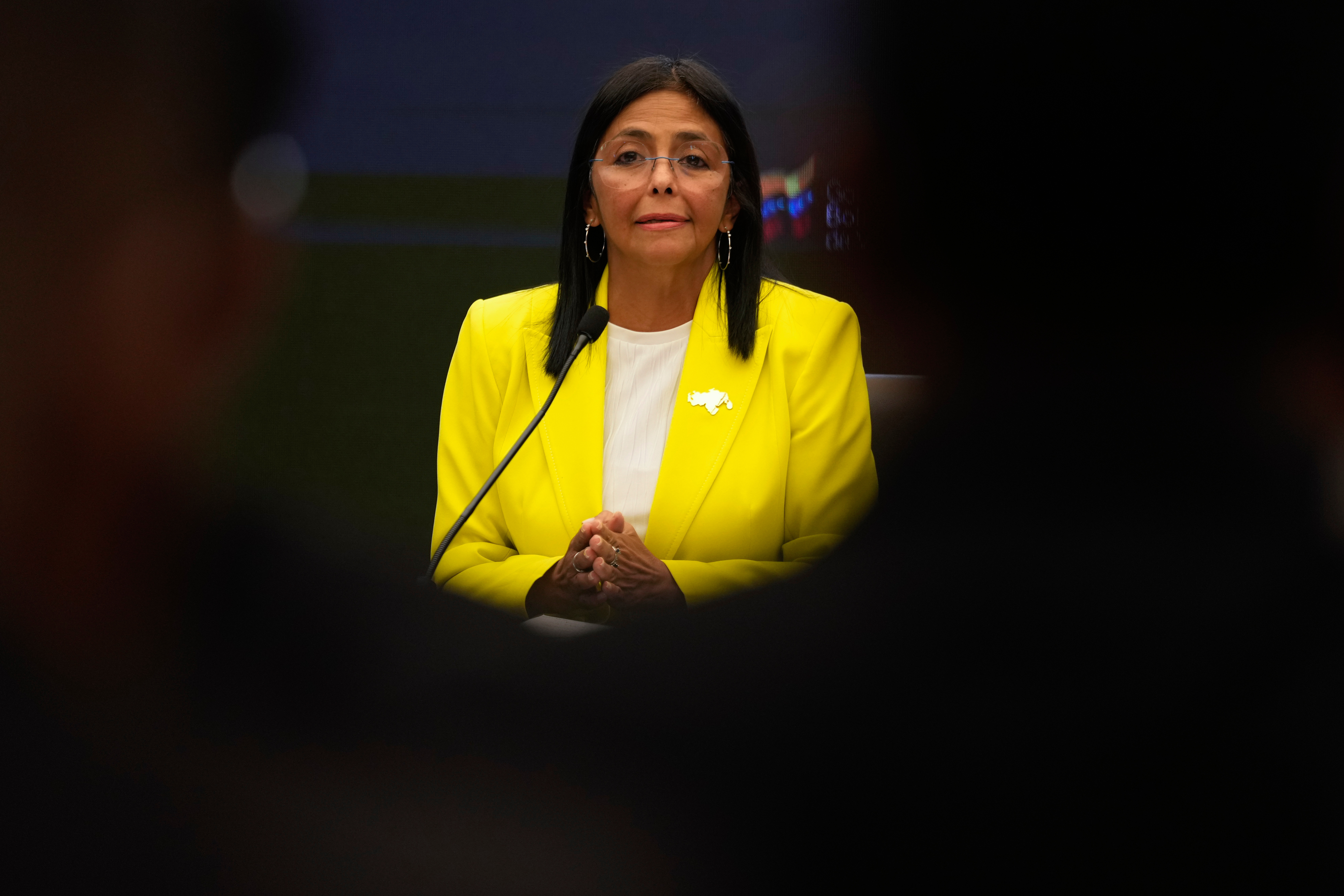
He avoided registering, according to Papermaster, because he was intent on keeping the congressional member’s pin that stood as his most prized possession through its ability to grant continued access to the House floor. A former lawmaker who registers as a foreign agent loses those privileges.
Schock had left Congress months before Trump began his takeover of the Republican Party, but maintained an instinctive understanding of how to move public opinion around Trump’s Washington. Out were the press conferences and constituent fly-ins, in were social-media influencers and cable advertising strategies aimed at one man’s viewing habits.
“What does a four week rotator buy in the DC metro area cost?” Schock asked at one point, to a group chat of people working in concert to effect change in Venezuela. “I’m assuming Fox and Newsmax does the trick? Flood it and if he extends we switch to a thank you, Mr. President?! Or not necessary. We can worry about this latter [sic]. But having a bunch of Mississippi refinery workers thanking him for saving their job, and even some Venezuelans who say you’re giving us hope and opportunity to stay in the country we love because of USA companies and their investment.”
Schock helped the investor coalition hire Forward Global, a Paris-based firm which specialized in paying those with large social media followings to post and share political content, and began to coordinate Venezuela-related messaging with former officeholders, MAGA activists and online-famous influencers.
Kise said “there is no evidence Mr. Sargeant ever engaged Forward Global or worked with Forward Global.”
“Our engagement last spring with Mr. Sargeant, Mr. Schock, and Mr. Papermaster was a specific advisory campaign related to a communications and brand management program in support of President Trump and the U.S.’ energy policy in Venezuela,” Forward Global said in a statement provided to Blue Light News. FARA registration was unnecessary, the firm wrote, because it “was retained by a U.S. client to assist U.S. entities with a domestic communications campaign. The firm did not act on behalf of or at the direction or control of any foreign persons in connection with this work and did not at any time have an obligation to register.”
To personally wound the hawks circling Trump, including Rubio ally Mauricio Claver-Carone, Schock looked to Trump confidante Laura Loomer, who said she first met him at a Mar-a-Lago fundraiser for Florida Rep. Byron Donalds in 2024. Schock believed Loomer, who had since become skilled at administration personnel fights, could help tarnish them in Trump’s eyes as long as he armed her with the right intelligence. Loomer denied in an interview that she was part of the influence operation or paid for her work.
“But i need opposition files on these people. Which is what i said a month ago about Mauricio,” Schock wrote to Papermaster. “again, its like i dont know how to win in politics.” He added two emojis: an upside-down smile and a shrug.
Schock was again a Washington player, according to his calendar and credit card transactions, racking up thousand-dollar-plus tabs for meals at power spots like Cafe Milano and Joe’s Seafood, Prime Steak & Stone Crab, ingratiating himself to high-level administration officials through meetings at the Hay-Adams Hotel and at members-only club the Ned as he attempted to redraw American foreign policy.
But his reputation followed Schock into meetings he desperately wanted to be about something else. “His Wikipedia page used to just irk the fuck out of him,” Papermaster recalled in an interview. It read … resigned from Congress in March 2015 amid a scandal involving his use of public and campaign funds. … used taxpayer money to fund “lavish” trips and events.
Papermaster suggested Schock retain the services of New York publicist Matthew Hiltzik to help paper over his Wikipedia. “I wanted to follow up and see if there have been any updates regarding research into Aaron Schock, particularly in terms of reputation rehabilitation,” Papermaster wrote Hiltzik on March 19, according to an email obtained by Blue Light News. (Hiltzik declined to comment on his interactions with Schock or Papermaster.)
It was almost a decade to the date of Schock’s resignation from Congress.
That spring, in a message just between the two of them, Papermaster brought up how to secure public relations help papering over his biography.
“I thought your friends was [sic] going to pay for the reputation repair?” Papermaster wrote in a WhatsApp chat.
“Who?” Shock responded. “I don’t have any friends. Lol. Only users.”
After the gold rush
To Papermaster, Schock appeared motivated by the twin goals of restoring his reputation and consummating the gold deal he said was pledged to him by Rodriguez.
“Dude,” Papermaster remembers telling Schock upon his return from Caracas, “that is the dumbest fucking idea.”
Papermaster argued to Schock that cartels and gangsters control the gold mines. “Lord knows, you’re not going to fucking mine the gold.”
Nevertheless, Schock instructed Papermaster to begin making preparations for what he would do once it became his. At Schock’s request, Papermaster suggested the name of a metallurgist who could refine the gold he acquired, according to a screenshot of a Feb. 18 text exchange reviewed by Blue Light News.
But Schock could never let go. “He’s got blinders on for everything else besides the Venezuela oil deal, and that’s all he cares about, because he’s got dollar signs in his eyes and can’t see anything else,” Papermaster said earlier this year.
Schock became swept up in the trappings of his role as a global fixer. He instructed Papermaster to price a private jet for travel by air, Papermaster recalled, and demanded a Mercedes-Benz Metris van to move securely on the ground. He partied at night and slept late into the mornings, according to Papermaster, who quit working for Schock in the fall after he says Schock failed to consistently pay him for his work and make himself available for meetings and phone calls.
That December, Schock celebrated the holidays honoring his new life and old one, according to entries on his calendar. He had the Schock Family Christmas back in Peoria on Dec. 13, suggesting he may have found a way to reconcile with his family. And four days later, back in Arlington, he had a Make Christmas Great Again celebration.
By April of this year, though, things seemed to be looking up for Schock. His campaign had failed to weaken Rubio, but when the United States military removed Maduro it left the regime in place. The U.S. restored diplomatic relations with Venezuela, then eased bank sanctions. Throughout it all Rodriguez solidified her hold on Miraflores Palace.
“It would seem that based on what he had been told that things would be lining up for him,” Papermaster, who had not communicated with Schock for more than six months, observed from afar.
Last month, Schock arrived back in Venezuela, according to a Copa Airlines flight itinerary reviewed by Blue Light News, but this time he went first not to Caracas, the seat of Venezuelan government power.
Instead Schock landed in Valencia, in Carabobo province, where foreign adventurers first struck gold in 1551. In 2017, rumors that someone had again struck gold there drew 3,000 miners to a small farming hamlet where they dug pits deep in the earth, looking for more.



House Democrats’ campaign arm is launching its first ad buy against seven-term GOP Rep. Mike Turner in his western Ohio district as they seek to turn up the pressure on Republicans in once-safe red seats.
The DCCC is dropping separate six-figure buys on two coordinated television ads boosting challenger Kristina Knickerbocker, spokesperson Riya Vashi said — a remarkable investment considering Turner won in 2024 by over 18 percentage points, overperforming President Donald Trump.
Ohio adopted a new redistricted congressional map last year that was expected to favor Republicans. Turner’s 10th District voted for Trump by 6 points in 2024; under the new lines it would have been closer to 8 points.
The first ad airing this week opens with a woman saying, “It’s time we had someone in Congress who actually stands up for us” as Knickerbocker jogs through a neighborhood.
Democrats are eyeing Turner’s Dayton-area seat as a reach opportunity. A new internal DCCC poll of 535 likely general election voters reviewed by Blue Light News shows Knickerbocker running three percentage points ahead of Turner. Polling from this summer showed Turner leading the race.
Another Democratic group, House Majority PAC, has already poured more than a million dollars into the race against Turner and has reservations planned through Nov. 3. Knickerbocker is not on the DCCC’s “Red to Blue” roster of candidates who get the bulk of its resources.
“Alarm bells should be ringing for Mike Turner,” Vashi said in a statement. “Kristina Knickerbocker has the momentum in this race, and the DCCC will make sure every voter in this district knows exactly how Turner has betrayed them.”
But the NRCC has been spending in the district for several weeks to boost Turner. House Republican campaign operatives are so far dismissing efforts to flip the seat.
NRCC spokesperson Zach Bannon called Turner “a life-long Ohioan who has a record of cutting taxes, lowering costs, and making Ohio streets safer.”
“While Congressman Turner delivers commonsense conservative wins, out of touch Democrat Kristina Knickerbocker supports a radical far-left agenda,” Bannon said. “This November, Ohioans will reject liberal Knickerbocker and send Congressman Mike Turner back to Congress.”
Elon Musk is facing a gauntlet of Democratic oversight.
Democrats have long eyed investigating the world’s richest man and the GOP’s top donor. They may get their chance if they win back congressional power in November, and senior members are mulling how a range of panels could target Musk and a huge swath of his businesses.
Their list of potential probes is growing.
Some members are eager to dig into Musk’s possible role last week in throttling crucial internet access to the Ukrainian military as President Donald Trump seeks to pressure the country into cutting a peace deal with Russia.
“What happens when one guy gets a giant contract from the government and then uses it to do something that shuts down communication in a war that has been extremely important to the United States to support Ukraine?” Rep. Pramila Jayapal said in an interview.
The incident is one of a glut of alleged conflicts of interests members cited as ripe for oversight, as Musk’s companies like SpaceX and Tesla rake in multi-billion dollar federal contracts and subsidies.
“The sheer number of conflicts of interest are astounding,” top Space, Science and Technology Democrat Rep. Zoe Lofgren said.
Spokespeople for Musk did not respond to multiple requests for comment.
Members of House Oversight and other panels also want to examine Musk’s role in eliminating over 250,000 federal jobs during his time at DOGE, withholding congressionally appropriated money and accessing sensitive government data.
“Congress must demand a full accounting of the damage Mr. Musk and DOGE caused, and we will not let anyone obstruct our oversight,” House Foreign Affairs ranking member Rep. Greg Meeks said in a statement Monday, referring to the so-called Department of Government Efficiency Musk headed last year.
Meeks named Musk’s part in “the cruel dismantling of USAID” as a prime target for his panel next year.
Some Democrats are not waiting for gavels: House Homeland Security Democrats demanded last month Musk testify under oath about a watchdog report claiming DOGE overstated its savings. And Ways and Means Democrats called for an investigation into the group’s alleged data theft from Social Security records.
But even members on panels with less obvious ties to the tech mogul are eyeing targets. Rep. Maxine Dexter, who sits on Natural Resources and Veterans Affairs, said she sees Musk among “the well-connected billionaire, trillionaires who have seen government contracts as a way to subsidize their own company’s research, development, and bottom line.”
“We need to shut that down,” she said.
What else we’re watching:
— MEET TRUMP’S HILL LIAISON: Katie Bailey is poised to run point between the White House and a chaotic Congress — especially if Democrats prevail in the midterms. Trump’s pick for the new director of the Office of Legislative Affairs is a longtime former congressional aide with wide-ranging experience in oversight and investigations. Her first task will be helping navigate a fast-moving, high-stakes “lame duck” legislative session, where lawmakers rush to pass outstanding bills and avoid a government shutdown. James Braid, who previously held the role before announcing his departure in August, said in an interview that Bailey is up for that task.
— GOP TRIES TO SPARE UKRAINE FROM TRUMP: Republican lawmakers are scrambling to find a way to stop Trump from cozying up to Russia and dismissing Ukraine — but they’re running low on options. All of it comes in response to the president’s decisions to purchase Russian diesel, waive sanctions on Moscow and potentially stop sharing intelligence with Ukraine. Lawmakers are also frustrated with days of unexplained disruptions in Kyiv’s U.S.-controlled satellite defenses. The disparate responses reflect an undercurrent of Republican angst about an administration that has largely ignored Congress on Ukraine and foreign policy more broadly — and the lack of a coordinated response from the legislative branch. They underscore just how little power Trump’s own party has had in reining in his attacks on longstanding allied relationships.
Riley Rogerson, Chris Marquette, Adam Wren, Mia McCarthy, Mark Satter and Leo Shane III contributed to this report.
Democrats are eyeing many targets as they make plans to probe corruption in and around President Donald Trump’s administration should they win control of the House next month.
Few loom larger than Elon Musk.
The world’s richest man and nine-figure Republican donor has emerged as a man of intense interest to several potential committee chairs — not to mention scores of rank-and-file Democratic lawmakers — who see multiple fronts for investigations.
Those include Musk’s whirlwind stint as head of the Department of Government Efficiency, his companies’ multibillion dollar contracts with the federal government and — most recently — his possible role in throttling crucial internet access to the Ukrainian military as the White House seeks to pressure President Volodymyr Zelenskyy into cutting a peace deal with Russia.
“What happens when one guy gets a giant contract from the government and then uses it to do something that shuts down communication in a war that has been extremely important to the United States to support Ukraine?” Democratic Rep. Pramila Jayapal of Washington, a member of the Foreign Affairs Committee, said in an interview. “There’s a lot of different parts of the corruption around Musk.”
Multiple committees are now gaming out how they will take on Musk next term if Democrats win back gavels, with senior members and aides considering how he fits into the various panels’ jurisdiction. Any number of committees in both chambers could stake a claim to probing a piece of Musk’s dealings with the federal government.
“We definitely have a lot of questions about Elon Musk’s role in DOGE and it is something we plan to investigate,” said Sara Guerrero, a spokesperson for top Oversight Committee Democrat Rep. Robert Garcia of California.
Spokespeople for Musk did not respond to multiple requests for comment.
Some members are not waiting for election results to get started. Democrats on the House Homeland Security Committee demanded last month that Musk testify under oath about a Government Accountability Office report claiming that DOGE overstated its savings, while the House Ways and Means Committee has already called to investigate alleged DOGE-related data theft from Social Security.
Huge parts of Musk’s dealings with the federal government could come under congressional scrutiny, including the billions of dollars in spaceflight contracts SpaceX holds with NASA as well as the clean-energy subsidies Tesla has reaped.
But leading Democrats of multiple committees remain fixed on Musk’s five-month rampage through the federal bureaucracy as DOGE leader, in which an estimated 250,000 federal jobs were cut amid allegations of data breaches and illegally withheld congressional spending.
Rep. Zoe Lofgren of California, the top Democrat on the Space, Science and Technology Committee, which oversees NASA, said her panel has more “to learn about the damage that DOGE inflicted on our science agencies.”
“Elon Musk and his DOGE cronies stirred up chaos, ruined careers, and played a large role in illegal grant cancellations and firings of civil servants,” she said in a Monday statement.
“He helped orchestrate the systematic destruction of government programs and services over the last nearly two years,” Lofgren added. “The sheer number of conflicts of interest are astounding.”
Rep. Greg Meeks of New York, the top Foreign Affairs Committee Democrat, said much the same — calling in a Monday statement for “a full accounting of the damage Mr. Musk and DOGE caused.”
“The cruel dismantling of USAID, championed by Elon Musk and carried out by Secretary Rubio, saved no taxpayer money, balanced no budget, and made America no safer,” Meeks said, adding that the panel “will not let anyone obstruct our oversight.”
The House Oversight Committee, considered to have the most robust investigative staff of any congressional panel, could also get involved in probing Musk’s dealings.
“I think DOGE was the original sin,” said one Democratic member of the panel granted anonymity to describe internal discussions about its agenda. “A third of the committee is lawyers and we see the lawlessness, the intentional violations of the law.”
“I certainly hope that Elon Musk and DOGE get brought in,” the member added. “No one should be above the law.”
Minority Leader Hakeem Jeffries has not named Musk as a preeminent target as tries to keep the Democratic midterm message trained on affordability, but he has spoken out about the need to crack down on the “wealthy, the well-off and the well-connected.”
Garcia also spoke at length in an August interview about targeting corruption within Trump’s inner circle, and others have emphasized the need to take a broad view of potential oversight subjects. Many top Democrats, for instance, want an early focus on Defense Secretary Pete Hegseth.
“I don’t think that there is a single like, ‘You are the one,’” Rep. Emilia Sykes (D-Ohio), a member of the Science panel, said in an interview. “I think it is across the board — we need answers.”
But plenty of rank-and-file Democrats want Musk personally held to account — including some on panels with less obvious ties to the tech mogul.
Rep. Maxine Dexter (D-Ore.), for instance, sits on the Natural Resources and Veterans Affairs Committees. She said she sees Musk among “the well-connected billionaire, trillionaires who have seen government contracts as a way to subsidize their own company’s research, development, and bottom line.”
“We need to shut that down,” she added.
Rep. Sydney Kamlager-Dove (D-Calif.), a Foreign Affairs member, was succinct in describing the need to probe Musk’s dealings and haul him before that committee: “Bring it all on.”
Musk has made no secret of his preference for House control next term as the GOP’s single biggest known midterm donor, with $276 million and counting going to Republican committees and candidates.
Rep. Greg Casar (D-Texas), an Oversight Committee member and the chair of the Congressional Progressive Caucus, said delving into the allegedly transactional nature of Musk’s influence is the whole point.
“Our committees need to be doing oversight both into the Trump administration, but I think even more importantly or equally importantly, into the corporations and ultrarich people who have tried to corrupt our government,” he said. “And, of course, Elon Musk is on that list because it takes two to tango.”
Kelsey Brugger and Ari Hawkins contributed to this report.
- Poll: Voters see Republicans as the party of Big Tech tax breaks
- Two Dans, four choices, one big headache for GOP in Alaska Senate race
- Democrats’ Musk-ask questions
- DCCC launches ads against Mike Turner in red Ohio district
- Capitol agenda: Dem gavels are coming for Elon Musk
- Pritzker’s big spending for Black and Hispanic candidates is drawing notice
- The ‘Congress addict’ serving as Trump’s fixer on Capitol Hill
- Elon Musk is in Democrats’ oversight crosshairs
- GOP lawmakers scramble to spare Ukraine from Trump
- Medicaid cuts haunt Republicans in battleground states
-

 Politics2 years ago
Former ‘Squad’ members launching ‘Bowman and Bush’ YouTube show
-
Uncategorized2 years ago
Bob Good to step down as Freedom Caucus chair this week
-

 The Josh Fourrier Show2 years ago
DOOMSDAY: Trump won, now what?
-

 The Dictatorship2 years ago
Pete Hegseth’s tenure at the Pentagon goes from bad to worse
-

 Politics2 years ago
Former Kentucky AG Daniel Cameron launches Senate bid
-

 The Dictatorship2 years ago
Luigi Mangione acknowledges public support in first official statement since arrest
-

 Politics2 years ago
Blue Light News’s Editorial Director Ryan Hutchins speaks at Blue Light News’s 2025 Governors Summit
-
 Politics1 year ago
John Legend advises Trump to drop the ‘dictator s‑‑‑’ if he wants Nobel Peace Prize