The Dictatorship
Why the car app used in the New Orleans attack should have police worried

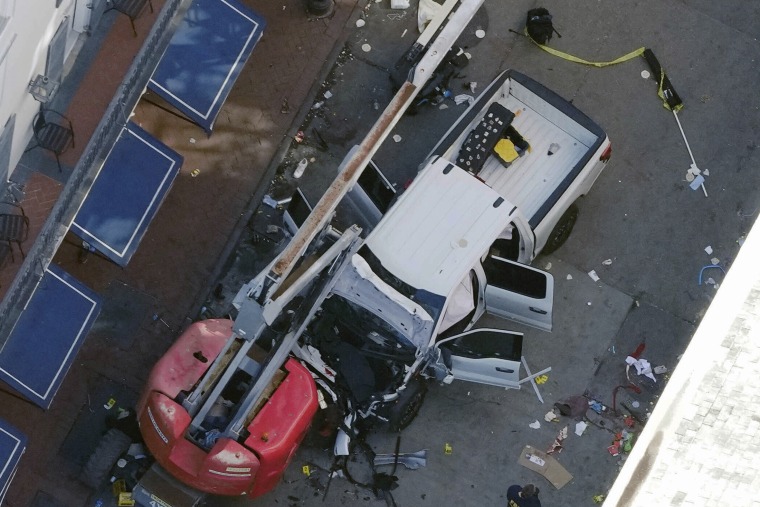
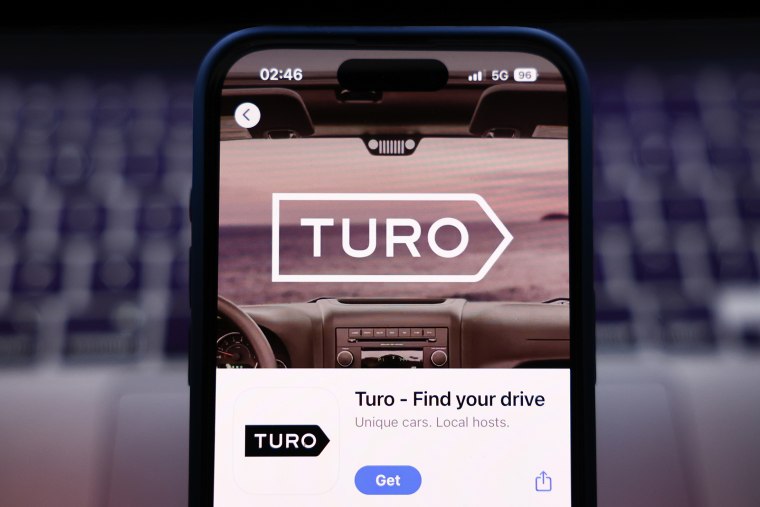
Officials say that the Ford 150 Lightning pickup truck used in the New Year’s Day terrorist attack in New Orleans and the Tesla Cybertruck that exploded outside Trump International Hotel in Las Vegas were separately rented by the men responsible for those crimes through the vehicle-sharing app Turo. The man who drove that truck into the New Orleans French Quarter killed 14 people before officials say police shot him dead. The person inside the Cybertruck was discovered dead inside the vehicle with a self-inflicted gun wound.
The owners who rented out those vehicles via the app must have been gobsmacked to start the new year by learning they were tangled up in federal investigations into the deadly attacks.
When police usually run the license plates of vehicles used in illegal activities, the information connects them to the owners. The owners who rented out those vehicles via the app must have been gobsmacked to start the new year by learning they were tangled up in federal investigations into the deadly attacks.
Officials have not found any link between the attacks in New Orleans and Las Vegas. Aside from the coincidence that both the New Orleans attacker and the man who drove the Cybertruck served in the Army, the only known similarity is that the men rented the vehicles in question through Turo.
For many people, the crimes in New Orleans and Las Vegas may be the first they’ve heard of the peer-to-peer method of renting vehicles. But law enforcement officials have been paying attention.
These vehicle-sharing applications have, for the past few years, been garnering the wrong kind of attention from the wrong kinds of renters. Some vehicles offered on these apps, such as Getaround, and now defunct Karshare, have been stolen, used in homicidesdrug dealing or human trafficking.

Reports suggest peer-to-peer rentals are more likely to attract criminals and be used by criminals than those from vehicle rental companies and that, if they are used in a crime, can take investigators more time to distinguish those who own the vehicles from those who committed the crimes.
For example, according to a May 2024 report in the Houston Chronicle, federal prosecutors there said a man in that area paid people to rent cars through Turo that he then sold in Mexico. Turo cooperated with that investigation. “Turo has a message to those with criminal intent: We will stop at nothing to see you brought to justice,” the company said in a statement.”
According to a statement the company released Wednesday, “It is with a heavy heart that we confirm that this morning’s horrific attack in New Orleans and this afternoon’s Tesla Cybertruck explosion in Las Vegas both involved vehicles rented on Turo.” The company added: “Our thoughts and prayers are with the victims and their families.”
It’s too bad that companies trying to make renting a vehicle cheaper for the renter, and safe and lucrative for the owner, have to contend with people using their service to commit crimes.
Turo is one of several companies that seek to provide consumers with an alternative to the brick-and-mortar rental vehicle behemoths we most often see at airports. It’s too bad that companies trying to make renting a vehicle cheaper for the renter, and safe and lucrative for the owner, have to contend with people using their service to commit crimes. The companies put systems in place that are meant to prevent that. A vehicle owner looking to make some extra income applies for approval to post it on the app; the company screens the owner, learns about the vehicle and, if all goes well, permits the owner to post it. Would-be renters are similarly screened and subjected to a criminal background check.
In these cases, Turo said in its Wednesday statement that the two renters had valid driver’s licenses, clean background checks and both had been honorably discharged from the military.
So, why would this attract criminals?
First, the owner and renter mutually decide either to schedule an in-person exchange of the keys or to have the owner leave the vehicle at a prearranged location. Vehicles posted for rent are often left at locations with keys inside, for easy, contactless pickup by a renter. Someone browsing one of the apps could determine its location, break into it and steal it without ever renting it. Similarly, people could, and have, rented it for the express purpose of stealing it — perhaps because it’s a highly sought after vehicle.
When a law enforcement agency, such as Border Patrolfocuses on a vehicle because of suspected crimes, such as human or drug smuggling, they run its license plate, which comes back to the owner. The driver may or may not have any identification on them. In contrast to how easy it would be to trace a car rented from a traditional company, when it’s a peer-to-peer app, the police can’t always quickly determine that the car was rented or, if it was rented, who rented it.
With a traditional rental company, the police can typically make one phone call to the company to get the information they need.
A Tucson, Arizona, news station sought comment from Turo in 2023 after a man who’d offered his vehicles on the app said Border Patrol had impounded an SUV he owned after determining it had been used in human smuggling. The company responded, “We are aware of incidents where guests violated our policy by giving their vehicles to unauthorized individuals. We acted promptly by restricting their access to our platform and collaborating with the host and law enforcement to recover the vehicle while covering the host’s associated expenses.”
More than a few owners have been told their car has been impounded in connection with a crime they had nothing to do with. The whole process is a giant speed bump for police who may be rushing to get to the bottom of a crime. Time is especially of the essence during investigations of apparent terrorism.
Peer-to-peer car-sharing apps can be a convenient low-cost method to rent a vehicle and even try out an exotic, expensive one. But easy to rent can mean easy to steal, and easier to elude investigators who have to burn precious hours trying to learn where a vehicle came from and who is the person they’re really pursuing.


Frank Figliuzzi is an BLN columnist and Senior National Security and Intelligence Analyst for NBC News and BLN. He was the assistant director for counterintelligence at the FBI, where he served 25 years as a special agent and directed all espionage investigations across the government. He is the author of “The FBI Way: Inside the Bureau’s Code of Excellence.”