The Dictatorship
What RFK Jr. and the USDA’s new food pyramid get wrong

ByBrian Kateman
The Trump administration unveiled dietary guidelines this week that flip the food pyramid Americans have known for decades, encouraging greater consumption of protein, particularly meat and dairy.
That’s not exactly what the average American, who already eats 227 pounds of meat a year, needs to hear. The recommendations, the latest work of the Make America Healthy Again movement of Health and Human Services Secretary Robert F. Kennedy Jr., actually puts health at greater risk.
The new nutrition recommendations actually put health at greater risk.
For one thing, protein is among the few nutrients in which most Americans are not deficient. Health experts widely agree that most of us eat much more protein than necessary. The new pyramid illustration includes a big hunk of steak and a package of ground beef at the top; never mind, apparently, that the American Cancer Society considers red meat to be “probably carcinogenic to humans.” The American Heart Association has long advised people to limit consumption of red meat because of its deleterious health effects, including as a contributor to heart disease.
In an event Thursday with Agriculture Secretary Brooke Rollins promoting the revised nutrition policy, Kennedy referred to the heart association as a “big villain.” In Kennedy’s telling, the organization “continues to accept millions of dollars from the biggest processed food makers in this country.” Doing so, he argued, “fortified a dogma that vilified and demonized good food.”


The new nutrition guidelines also recommend full-fat dairy, directly contradicting the heart association’s recommendation of reduced-fat options, such as fortified plant-based milk alternatives.
Cancer, heart disease and diabetes are among the leading causes of death and drivers of health care costs in the United States, according to a different federal agency, the Centers for Disease Control and Prevention. The USDA nutrition guidelines say they target those same chronic illnesses but promote the high-fat, high-cholesterol foods that study after study shows contribute to them.
Ultimately, this isn’t just bad advice; it’s also dangerous to public health and the planet.
The slogan of the guidelines is “Eat Real Food,” which is defined as “whole, nutrient-dense, and naturally occurring.” Putting aside that animal products — most of which come from factory farms — are arguably the most processed foods on Earth, the only thing about these guidelines that’s significantly different from past pyramids is the emphasis on meat and dairy. This happens to be the opposite of the advice of virtually every credible health-related organization.

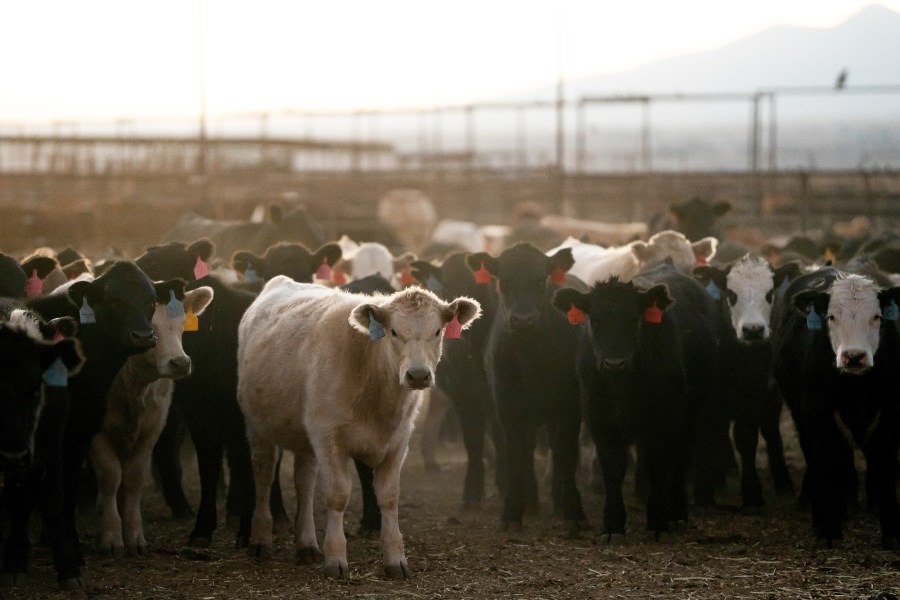
The Department of Agriculture may put out nutritional guidelines, but it’s worth remembering that it isn’t a medical body — it represents farm operations, including cattle ranchers and dairy farmers. As Kennedy said on Thursday, “It’s important that the American people know that sometimes they are getting medical advice from people who have an economic stake in that advice, and we have a responsibility to question that.”
Indeed. The USDA has been accused of having a revolving door for lobbyists and of promoting the interests of industry over public health. In October, Rollins announced a battery of plans to “strengthen the American beef industry, reinforcing and prioritizing the American rancher’s critical role in the national security of the United States.” What beef has to do with national security, I can’t say, but Americans’ health clearly isn’t the only priority of the Trump administration.
To be fair, dietary guidelines have often been shaped by corporate interests.
To be fair, dietary guidelines have often been shaped by corporate interests. In the mid-20th century, global attention to a “protein gap” in developing countries led the United Nations to establish a Protein Advisory Groupwhich promoted Western nutritional ideas and helped create markets for surplus food exports. By the 1970s, experts recognized that the real problem was not protein deficiency but a lack of sufficient calories. Companies such as Nestlé profited from these international nutrition programs, raising questions about the influence of industry on dietary advice.
Now the U.S. government is effectively pushing another protein panic. A lot of nutritional science is more up in the air than many might think, but this is an area where medical authorities have some consensus. There’s just no basis for the claim that Americans need more protein, and certainly not from animal sources. It’s not just the American Heart Association pointing in the exact opposite direction.
There’s just no basis for the claim that Americans need more protein, and certainly not from animal sources.
And decades’ worth of scientific evidence shows the deleterious effects of industrial animal agriculture on the health of the planet. It’s a major contributor to climate change, putting people around the world at greater risk of extreme weather events, respiratory illnesses, heat-related illnesses, insufficient access to clean water and exposure to water-borne disease. In a sad irony, climate change threatens our food systems and limits the amount of decent food humans are able to produce. Agricultural practices in the meat industry have made it a vector for disease and have led to mass outbreaks of illness.
Dietary guidelines shape school luncheshospital meals, public assistance programs and more, including the advice given to millions of people who do not have the luxury of opting out. When federal guidance elevates red meat and full-fat dairy — foods long associated with higher rates of cancer, heart disease, diabetes and environmental harm — the costs are shouldered by poorer families, many already struggling with chronic illness, and by communities facing a warming planet.
This isn’t just a technical disagreement about nutrition; it’s a choice about whose interests public policy serves. And in this case, the answer is not the health of the American public but the balance sheets of meat and dairy companies. Such is the price of Making Agribusinesses Happy Again.


Brian Kateman
Brian Kateman is a co-founder and the president of the Reducetarian Foundation, a nonprofit organization dedicated to reducing consumption of meat, eggs and dairy to create a healthy, sustainable and compassionate world. He is the author of “Meat Me Halfway” — inspired by a documentary of the same name — and the editor of “The Reducetarian Cookbook” and “The Reducetarian Solution.” He is an adjunct professor of environmental science and sustainability at Kean University and teaches environmental communications at Fordham University.