
Politics
Socialism’s next test: swing states

In the crowded Democratic field running to replace Wisconsin Gov. Tony Evers, there’s a surprising frontrunner for a battleground state: a democratic-socialist line cook who has called to abolish the police.
Francesca Hong, a 37-year-old restaurant owner and single mother who became the state’s first Asian-American assembly member in 2021, has surged to the lead in several early polls after launching a long-shot bid on a deeply progressive platform.
Hong is part of an array of lefty candidates with working-class credentials running in competitive states and districts up and down the ballot in this year’s midterm elections — a crop emboldened by the popularity of New York City Mayor Zohran Mamdani and a turn toward economic populism amid widespread cost-of-living concerns.
Abdul El-Sayed is running from the left of Haley Stevens and Mallory McMorrow in the competitive Michigan Senate primary. Zach Wahls, who is backed by Elizabeth Warren, is locked in a tight contest against the Chuck Schumer-supported Josh Turek for Iowa’s Senate nomination. In Colorado’s 8th District, where Dems see a flip opportunity, Manny Rutinel is running against the more moderate Shannon Bird. And last month, Graham Platner got a boost when Schumer-endorsed Maine Gov. Janet Mills dropped out of the race to oust GOP Sen. Susan Collins.
Establishment Democrats worry that these figures — whose platforms play well among primary voters but could bite them in a general election — might spoil the midterms at a time when the party has the wind at its back, desperate to claw its way out of the wilderness and still weary of the “woke” allegations that Republicans effectively wielded against Kamala Harris. “If Democrats hope to beat Republican incumbents in red and purple districts, then they cannot run candidates who are far outside the mainstream of their district,” the center-left think tank Third Way wrote in a memo published last month.
Hong says the party establishment just lacks imagination.
“I think they’re underestimating voters,” Hong said in an interview. “I think that has always been a problem for the Democratic Party — that we are not listening to how they are feeling.”
Her platform includes free child care, a $20 minimum wage and a full moratorium on data center construction. She is an outspoken critic of the Israeli government and helped lead Wisconsin’s “uninstructed” pressure campaign on the Biden administration’s posture toward Gaza. She’s faced backlash for past calls to “abolish” the police. And she has suggested as governor she would call the state National Guard to arrest federal ICE agents.
But Hong doesn’t think her far-left politics would pose a risk in a general election. “The liability is having someone who is the establishment and wants to maintain the status quo,” she said.
There’s still months to go before the Aug. 11 primary to decide who will face off against Tom Tiffany, the presumed GOP nominee endorsed by President Donald Trump. Still, Hong is leading early polls among nine Democratic candidates — making her an unusual frontrunner to lead a state Trump narrowly won in 2024.
Wisconsin has a deep history of socialism, including three socialist mayors of Milwaukee between 1910 and 1960. The state boasts one of the Senate’s most conservative members, Sen. Ron Johnson, but also one of its most progressive, Sen. Tammy Baldwin. And progressive Democrats in Wisconsin are quick to point out that Sanders, the country’s democratic-socialist standard-bearer, won 71 out of Wisconsin’s 72 counties in 2016.
Hong isn’t just running on a different platform than her competitors — she is also running “the most non-traditional race,” said Gordon Hintz, who served in the Wisconsin state assembly with Hong when he was Democratic minority leader. While other candidates have been more reserved so far, Hong spent — and surged — early on to boost her name recognition. Hong’s campaign says it has about 3,000 active volunteers and has already organized 250 events across the state, with an additional 230 planned for the coming months.
“She has shown up, she’s the only candidate currently who has built any infrastructure down in Rock County,” said Jim White, who leads Rock County Democrats. “She’s the only person who has active canvassers, has people showing up at events, at meetings, she’s the only one who seems to have increasing infrastructure to do outreach to voters, and that’s been something that I think we’ve all really noticed.”
But it’s still an uphill battle for Hong — especially in the fundraising fight. Mandela Barnes, the former lieutenant governor and failed Senate nominee is polling in second place and has raised more than $2 million. Milwaukee County Executive David Crowley has brought in more than $850,000. Hong has raised about $635,000, according to Wisconsin campaign finance records.
Hong said she is focusing on turning one-time donors into recurring donors and has leaned on nontraditional fundraising tactics, like streaming. She has appeared with the progressive Twitch streamer Mike from PA and with Mercury Stardust, a TikToker with more than 2.6 million followers who describes herself as “The Trans Handy Ma’am.” Next month, Hong is planning to stream a DJ set and a cooking demo on Twitch, according to her campaign.
Both White and Hintz noted they still have not decided who they’ll vote for in the primary. But they both guessed part of Hong’s appeal to voters — particularly those who are young and politically disengaged — was because she is “fun.” Hong is, for example, known to host fundraisers at karaoke bars.
Her go-to song? “I Will Survive.”
Like this content? Consider signing up for Blue Light News’s Playbook newsletter.


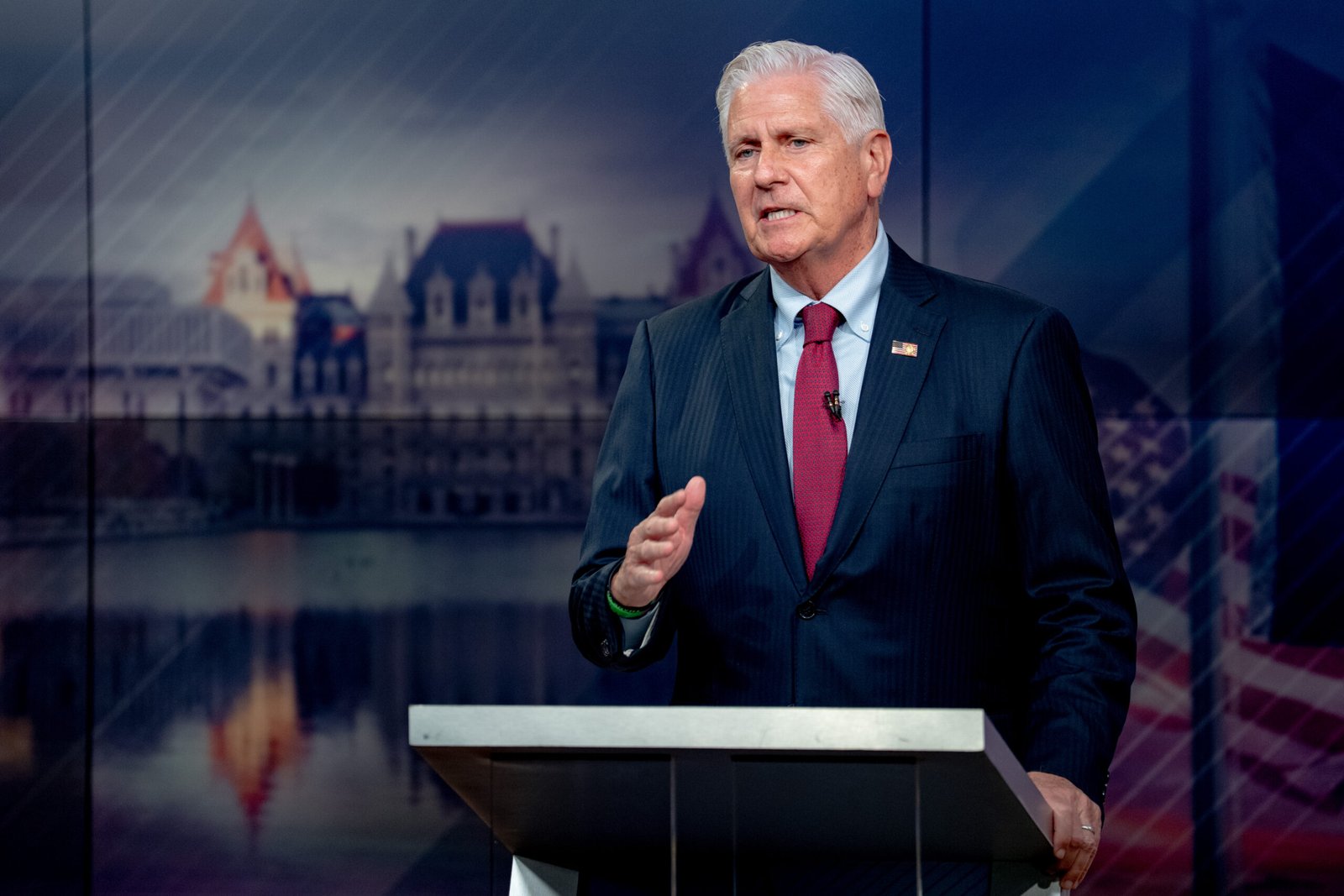
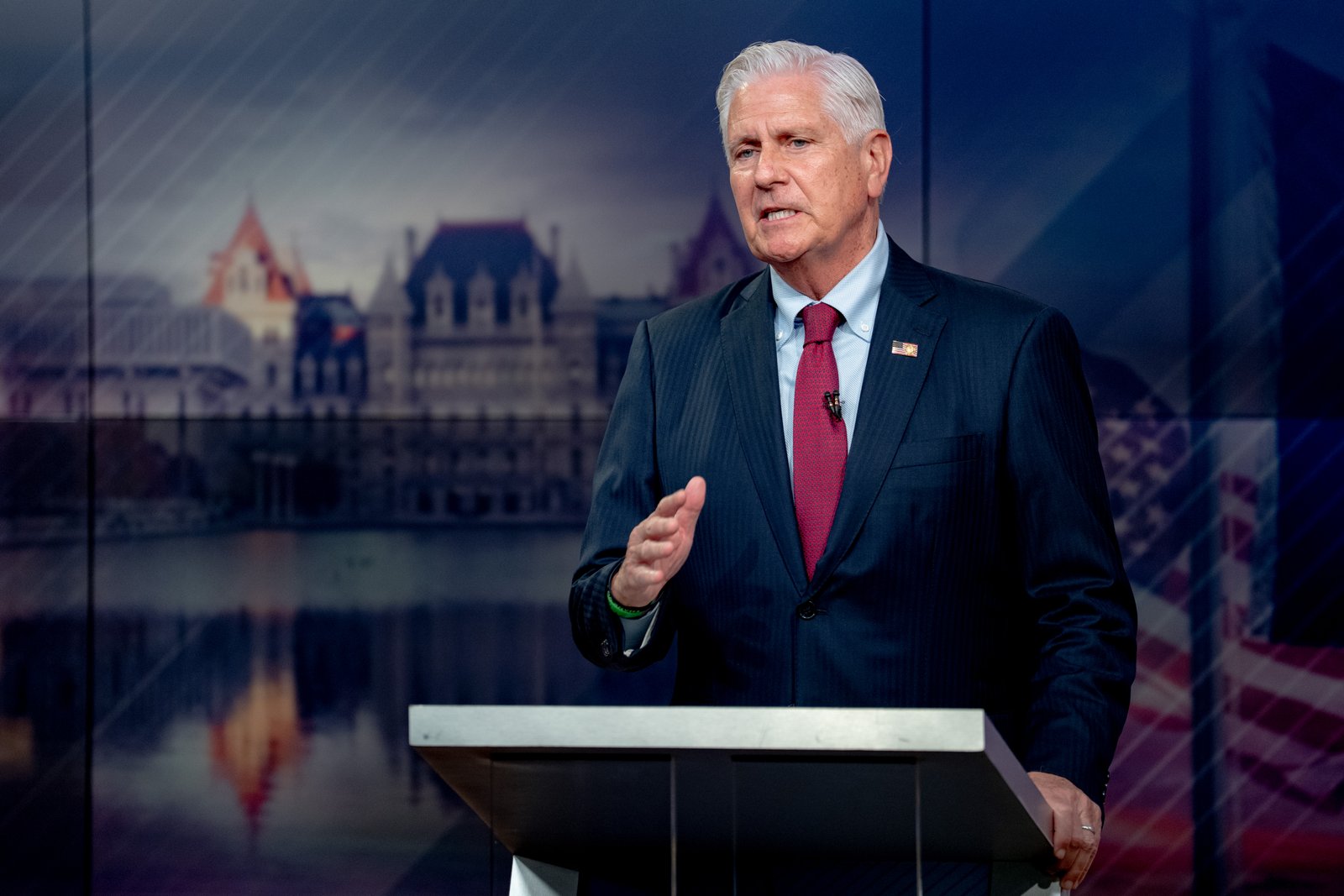
BLAKEMAN’S (LACK OF) ENERGY PLAN: GOP gubernatorial candidate Bruce Blakeman continued to hammer Gov. Kathy Hochul on rising energy costs today, promising to slash utility bills in half if he’s elected.
The Republican, however, still has not offered up a policy proposal on how he’d go about doing that.
“Kathy Hochul increased our utility rates 48 times in four years,” Blakeman said in upper Manhattan this morning.
The Washington Heights press conference, which included former Gov. George Pataki, was heavy on rhetoric and relatively light on details. Afterward, Blakeman’s campaign would not spell out how exactly he plans to cut consumer utility costs and did not respond to a request for clarification about his claim that Hochul increased utility rates 48 times. (While the state’s Public Service Commission has approved increases in major utility rate cases during Hochul’s tenure, those hikes have been less than what the utilities requested.)
“Donald Trump’s puppet, Bruce Blakeman … wants data centers raising your costs and said Trump was doing an ‘amazing job’ after he jacked up utility bills.” Hochul campaign spokesperson Sarafina Chitika said in a statement. “Two weeks from irrelevance, here’s what Blakeman won’t tell you: Governor Kathy Hochul delivered a billion dollars in energy relief, ten billion in tax relief, and made data centers pay for the energy they use.”
The Nassau County executive described meeting the owner of a Bronx diner who told him the business would need to sell 1,000 burgers a month to pay its $16,000 utility bill. Blakeman said he would legalize fracking to help New Yorkers lower their energy bills fast.
Aside from the fact that fracking doesn’t necessarily lead to lower utility bills and the reality that Blakeman would need buy-in from the state’s Democratic-dominated Legislature to do so, he insists that legalizing fracking could offer near-term relief from high energy costs.
“I met with those same individuals and companies that are doing the extraction of natural gas in Pennsylvania. They told me they can be up and running in 60 days,” Blakeman said. “If Albany has the will to reduce people’s utility bills … we can get it done in 60 days.”
He pointed to Pennsylvania, arguing that the state has lower electric bills because it allows fracking. But he neglected to mention that Pennsylvania is not part of the Regional Greenhouse Gas Initiative — the carbon trading program of 11 eastern states, which Blakeman has pledged to withdraw from if he is elected.
Pataki, the last Republican to serve as governor in the Empire State, spearheaded the creation of that initiative, which is commonly known as RGGI.
“The concept is right, but the way it’s being done in Albany is wrong,” Pataki said at the presser, accusing Albany of using RGGI as a “slush fund.”
Even if New York did withdraw from RGGI, the benefit would amount to a 5% to 6% decrease on an average New York residential household bill, according to an estimate from National Grid — barely making a dent in the 50% Blakeman is promising to slash.
Exactly how the state would cover the rest of his proposed cut remains unclear.
Affordability, though, continues to be a key concern in Washington Heights, a largely Dominican neighborhood that Mayor Zohran Mamdani did well in during his ascent to victory last year.
To drive their message home, the Republicans even attempted to make their pitch in Spanish. Pataki, much more practiced in this than Blakeman, talked about how much he loved the “barrio” when he was governor, describing Blakeman as a leader “muy fuerte.”
“Gracias, hombre grande,” Blakeman exclaimed, before touting what he views as the GOP ticket’s immigrant bonafides — Saritha Komatireddy for attorney general and Joe Hernandez for comptroller.
“Governor, your Spanish is better than my Spanish, and I grew up speaking it,” Hernandez praised Pataki. — Mona Zhang
From the Capitol
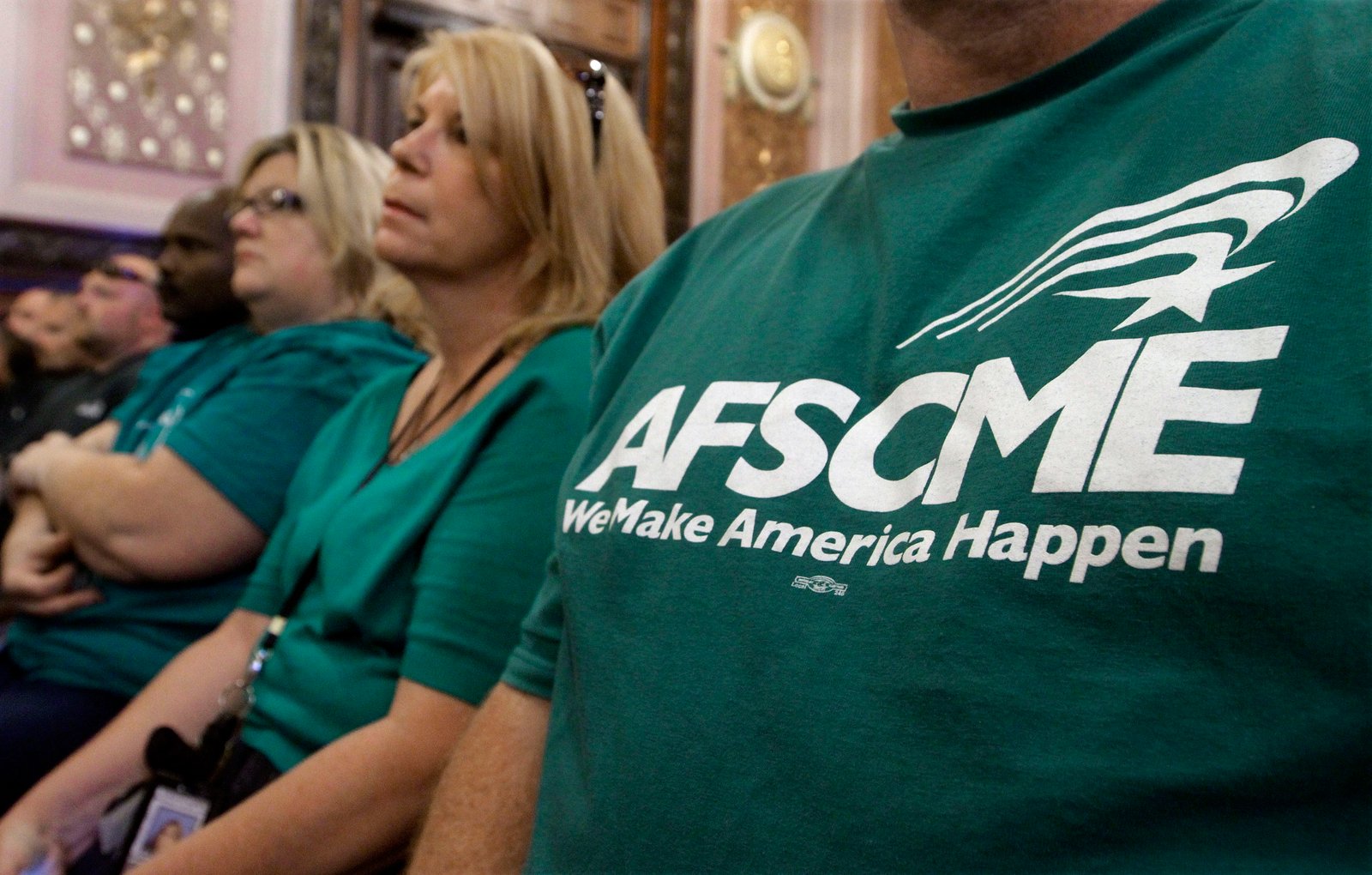
LABOR BOOSTS GOV: A coalition of public employee unions is joining the crowded roster of super PACs spending on the gubernatorial election.
The New York Accountability Coalition has received $550,000 in recent weeks from the Civil Service Employees Association, Public Employees Federation, District Council 37, and CWA District One. It’ll soon spend that money to boost Hochul.
The governor “is laser-focused on lowering costs for working families and investing in public services,” AFSCME’s Courtney Brunelle-Kim said. “Bruce Blakeman is just another pay-to-play politician. From now until Election Day, we’ll be working to ensure that voters in key districts know The Blakeman Record.”
The super PAC spent $460,000 this spring helping Comptroller Tom DiNapoli as he faced two Democratic primary challengers. — Bill Mahoney
FROM THE CAMPAIGN TRAIL
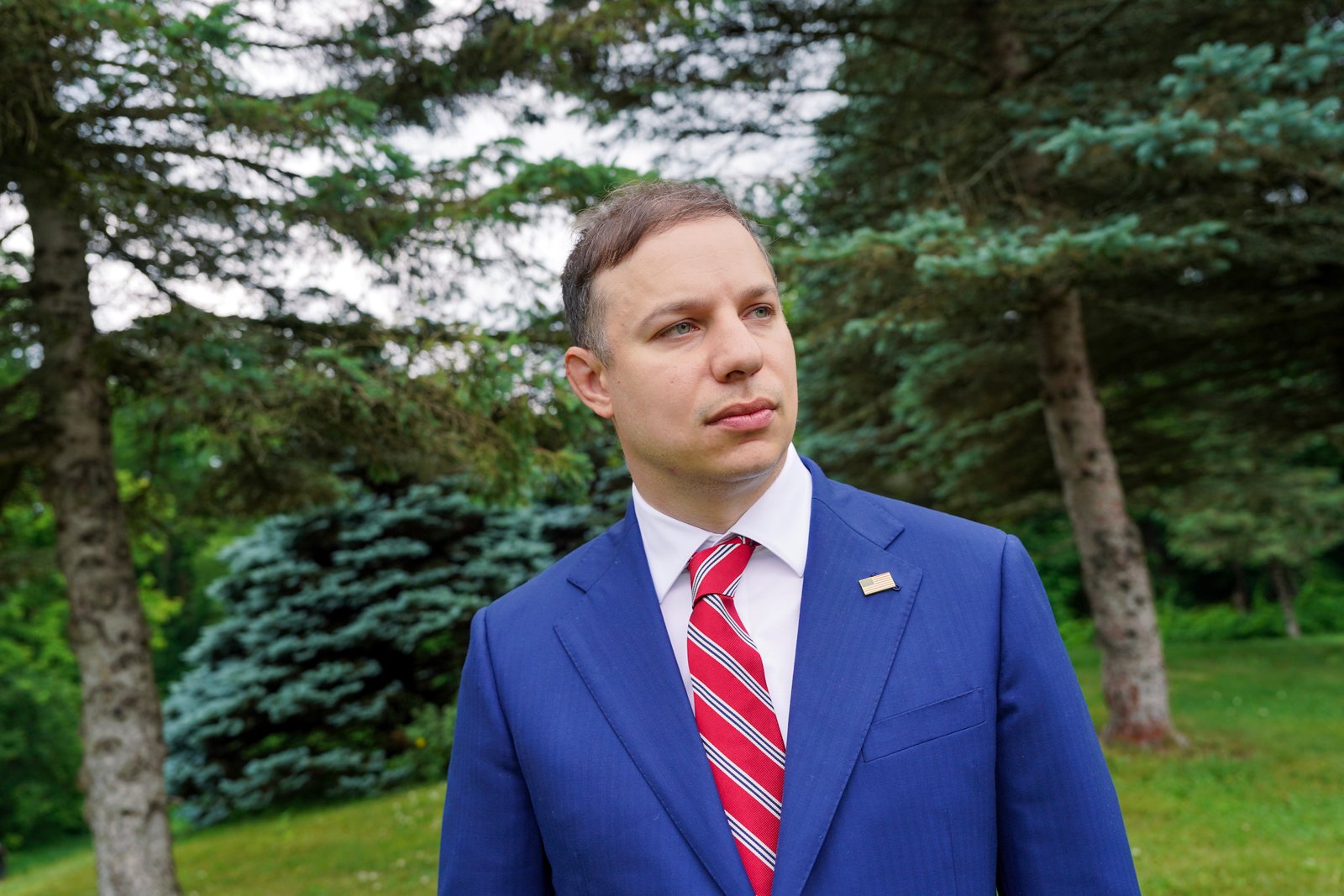
AD PULLED: A clean energy super PAC yanked a version of an ad airing in a competitive upstate House district after Republican candidate Anthony Constantino’s attorney complained the spot was defamatory.
The group Invest In Tomorrow Coalition recently began airing the spot in the sprawling North Country House seat that accused Constantino — who runs a custom sticker business — of selling anti-police merchandise.
“What do Anthony Constantino and violent anti-cop extremists have in common? They both think ‘kill the police’ is a good slogan,” the ad’s narrator says.
Constantino’s attorney last week contacted a lawyer for the super PAC alleging the contents of the ad were false and defamatory. On Saturday, the group signaled it would suspend further distribution of the current ad. So far, the PAC has spent some $243,000 in the district in the last three days, according to AdImpact.
“Anthony Constantino may lawyer up, but he can’t sticker over the truth: he’s gotten rich off selling vile merch, including hosting a listing for a ‘Kill the Police’ sticker and other anti-cop listings that are still active today,” said Chris Coffey, a spokesperson for the group. “As a token of our gratitude and recognition of his desire to spread that message, ITC PAC is putting $250,000 more behind the original ad buy to make sure all of NY-21 knows the real Anthony Constantino.”
The fight over the commercial comes as Constantino is trying to retain the seat being vacated by GOP Rep. Elise Stefanik. Polls have shown Democrat Blake Gendebien running competitively against the Republican, however, giving the race a surprising dose of uncertainty in the final two weeks. — Nick Reisman
HOUSE HUNTING: Two New York battleground districts have again moved in Democrats’ favor, according to a nonpartisan election forecaster.
Sabato’s Crystal Ball shifted Stefanik’s upstate seat from “likely Republican” to “leans Republican” today, as well as Democratic Rep. Laura Gillen’s Long Island district from “leans Democratic” to “likely Democratic.”
The Stefanik seat covers a sprawling, deep-red area — though Democrats are feeling bullish in part because of the Trump administration’s tariffs impacting farmers there.
Gillen faces a challenge from Hempstead Receiver of Taxes Jeanine Driscoll. Kamala Harris narrowly won that district in 2024, but Republicans are counting on tailwinds from Blakeman, the Nassau County executive, to boost down-ballot candidates. — Madison Fernandez
IN OTHER NEWS
— REAL ESTATE STRIKES BACK: A new organization called Built For New York hopes to promote the real estate industry’s interests in the wake of a pro-tenant political sweep in New York City. (The New York Times)
— PAC ALERT: A coalition of Jewish Democrats from the Capital Region launched a state-level PAC dedicated to supporting liberal candidates who push back on anti-Jewish and anti-Israel forces. (Jewish Insider)
— BOOZE BUCKS: Lily Fan, chair of the State Liquor Authority and a close Hochul ally, donated $40,000 to a pro-Hochul super PAC that’s run by people who lobby the liquor industry. (New York Focus)
Missed this morning’s New York Playbook? We forgive you. Read it here.
Republicans locked in tight races this November are desperately hoping the Trump administration’s last-minute gambit to send farmers $8 billion in taxpayer money will work.
President Donald Trump announced the new round of money, aimed at farmers struggling with high diesel prices, during a Monday rally for at-risk GOP Sen. Roger Marshall in Kansas. The move comes as White House officials have scrambled to address anger in farm states from Republicans. Trump’s decisions to import more foreign beef, his tariff regime and high fuel costs amid the Iran war have riled already strained farmers and ranchers — a key GOP voting bloc.
Farmers won’t know how much money to expect for several more weeks. Even then, if approved, they won’t receive the payments until late November or early December at the earliest, according to three people close to the plans, granted anonymity to share details.
With two weeks to go before the election, the new aid may also arrive too late to convince some voters.
But top Republicans are banking on the announcement to stem GOP bleeding in farm states — especially in the Midwest, where Marshall, GOP Senate nominee Ashley Hinson in Iowa and GOP Senate nominee Mike Rogers in Michigan have been struggling in their election campaigns. In some cases, they’ve broken with Trump publicly on high prices and the war.
“This will go a long way to making sure the folks that feed us have it a bit easier when they most need it,” said Rep. Derrick Van Orden, referring to the farmers in his district. The Republican is locked in a highly competitive race in a rural-heavy stretch in Wisconsin’s 3rd District.
However, the internal USDA taxpayer-funded account Trump is tapping for the payments doesn’t actually have enough money in it right now to make the payments, meaning Congress will have to approve the new funds or the administration will have to take it from another program, according to three Trump officials who were granted anonymity to discuss private conversations.
Marshall — who’s facing a tougher-than-expected reelection campaign in deep-red territory — and Rep. Austin Scott (R-Ga.) were among the Republicans who helped push for the $8 billion, according to the three Trump officials.
Marshall requested the administration allocate money to assist farmers with spiked fuel costs in a letter to Agriculture Secretary Brooke Rollins in September.
“Roger Marshall is the leader who fought for that to happen,” Trump said during the Monday rally.
Spokespeople for Marshall and for Scott did not respond to requests for comment. The White House referred Blue Light News to USDA’s announcement on the money.
USDA spokesperson Harry Fones said in a statement that the aid package is Trump’s “latest action to deliver” for farmers and the department is actively reviewing the data to determine payments.
Trump’s decision also comes after administration officials realized the president’s previous step to make off-road dyed diesel more widely available had limited benefits for farm country over other options, according to two of the Trump officials and another administration official involved in the matter. Top agriculture lobbyists further warned the dyed diesel plan could actually backfire on farmers, because they could still be required to pay taxes on the product — just further down the road.
So, Trump officials settled on the $8 billion tranche of direct money for farmers, given that similar kinds of payments to farmers — dating back during the president’s first trade war in 2018 — have quelled enough farmer and rural voter anger to shore up necessary support for Republicans during election season.
Trump officials and Republican operatives in the Midwest are banking on the money shoring up support again this cycle — especially for GOP voters who are angry but also don’t want to vote for Democrats. Trump heads this Thursday to Iowa — where top Republicans have been worried about internal polling that warned several weeks ago they could lose all three Iowa House races, key Senate races and other once-safe red seats across farm states.
“It’s going to help bring farmers’ votes out,” Sen. Chuck Grassley (R-Iowa) told Blue Light News of Trump’s plan on Tuesday.
“This is some way that the federal government can step in to help farmers for problems that they face through no fault of their own,” he said.
Most Hill Republicans weren’t given a heads-up about Trump’s announcement, including appropriators, and many hadn’t received any details from USDA as of Tuesday morning, according to two people familiar with the conversations who were granted anonymity to share private details.
Top agriculture groups have warned they’d need at least $50 billion in direct aid this fall to make farmers whole following the impacts of tariffs, weather-related disasters and other high costs linked to the Iran war’s chokehold on agricultural supplies. Farm-state Republicans are pushing to add at least $12 billion in direct farm aid payments to a separate year-end legislative package.
Monday’s aid rollout followed a number of other funding announcements made in swing rural districts. The White House doled out a first round of $12 billion in bailout funds earlier this year for growers of top agricultural commodities who were hit hard by Trump’s tariff agenda.
Alongside Republican Senate candidate Mike Collins in Georgia, Rollins announced a $3.3 billion loan to build a power plant last week. Rollins rolled out $180 million in funding for seed research alongside vulnerable Iowa Reps. Zach Nunn and Marianette Miller-Meeks earlier this month.
Trump also said he would approve long-derailed permanent year-round sales of ethanol during the Kansas rally — which would be a critical boon for corn growers across the Midwest. But the move has been long-stalled in Congress.
“With Roger Marshall in the Senate, we will make year-round E15 permanent. But if Adam Hamilton is in, I’m not doing it,” Trump said. “That’s a big deal for Kansas, actually.”
Rachel Shin contributed reporting.
Americans are fed up with data centers and Big Tech, and Republicans are poised to take more of the political blame in the Nov. 3 midterms.
The Blue Light News Poll found last week that Americans were far more likely to associate the GOP with giving tax incentives to tech companies at a time when the public’s concerns about artificial intelligence and data center sprawl are only deepening.
Nearly half of respondents — 47% — called Republicans the party of tech tax breaks, more than double the 21% who said the same for Democrats.
Voters are also far more likely to want candidates who propose stripping away tax incentives for the data centers needed to fuel the AI boom, according to the new poll, conducted by PF Global.
About a fifth of respondents said that ending those tax breaks would be among their most important tax issues in the midterms, while only 1 in 10 wanted to offer new preferences for data centers.
The top tax priorities for voters, according to the poll, are hiking taxes on billionaires and curbing breaks for big companies.
The findings come as lawmakers in both parties have scrambled to respond to the growing voter concerns over AI and data centers — and as Americans increasingly associate Silicon Valley titans with the Republican Party.
But in both Democratic and Republican-led states alike, governors have sought to put new limits on tax incentives that were already approved for data centers.
Sen. Bernie Moreno (R-Ohio) rolled out a proposal last week that would take that a step further by imposing a 100% tax on any state or local incentive offered to AI data centers.
But it’s Democrats who have gone more on the offensive about the issue.
Former Sen. Sherrod Brown, for instance, has made data center incentives a key issue as he tries to unseat Sen. Jon Husted (R-Ohio), a former state lawmaker and lieutenant governor.
“Jon Husted’s ‘deals’ gave wealthy tech companies a windfall and left Ohioans footing the bill,” Brown recently posted on social media.
Democrats have specifically homed in on Meta, which has cut its tax liability in recent years by billions of dollars as it builds out its AI products. And they have sought to tie expanded tax breaks approved by Republicans in last year’s megabill to the increase in data center construction.
The GOP enacted incentives for companies in a broad array of industries as part of the 2025 tax cuts. But Big Tech has found those tax breaks particularly useful, helping to drive a big decrease in corporate tax payments as AI spending keeps trending upward.
Meanwhile, Democrats with 2028 ambitions have floated new taxes on AI companies, while Democratic lawmakers have teed up legislation that would keep data centers from taking advantage of incentives like Opportunity Zones and bonus depreciation, both of which Republicans expanded in 2025.
In fact, Sen. Jon Ossoff (D-Ga.) recently gave last year’s megabill another new name in a recent debate with his opponent, Rep. Mike Collins (R-Ga.).
“I want to know if you will commit to voting to repeal that data center tax scam that you voted for,” Ossoff said.
It’s not clear how much the current anti-AI energy will lead to new legislative limits in the coming months. But the new poll found Americans have a real fear of the unknown with artificial intelligence.
A majority of respondents said that tech chief executives had been secretive about the potential risks of AI, while a plurality of Americans believe both that the risks of artificial intelligence development outweigh the benefits and that the government should strictly regulate the emerging technology.
- NRSC takes on $20M in loans
- Blakeman’s uptown fracking fiesta
- FEMA chief tells states to prepare to handle disasters on their own
- Trump is promising farmers $8B. Republicans are praying it will save their campaigns.
- Senate Democrats start spending in Mississippi
- Poll: Voters see Republicans as the party of Big Tech tax breaks
- Two Dans, four choices, one big headache for GOP in Alaska Senate race
- Democrats’ Musk-ask questions
- DCCC launches ads against Mike Turner in red Ohio district
- Capitol agenda: Dem gavels are coming for Elon Musk
-

 Politics2 years ago
Former ‘Squad’ members launching ‘Bowman and Bush’ YouTube show
-
Uncategorized2 years ago
Bob Good to step down as Freedom Caucus chair this week
-

 The Josh Fourrier Show2 years ago
DOOMSDAY: Trump won, now what?
-

 The Dictatorship2 years ago
Pete Hegseth’s tenure at the Pentagon goes from bad to worse
-

 Politics2 years ago
Former Kentucky AG Daniel Cameron launches Senate bid
-

 The Dictatorship2 years ago
Luigi Mangione acknowledges public support in first official statement since arrest
-

 Politics2 years ago
Blue Light News’s Editorial Director Ryan Hutchins speaks at Blue Light News’s 2025 Governors Summit
-
 Politics1 year ago
John Legend advises Trump to drop the ‘dictator s‑‑‑’ if he wants Nobel Peace Prize