
Politics
Republicans want to talk about James Talarico’s manhood. Talarico says let them.

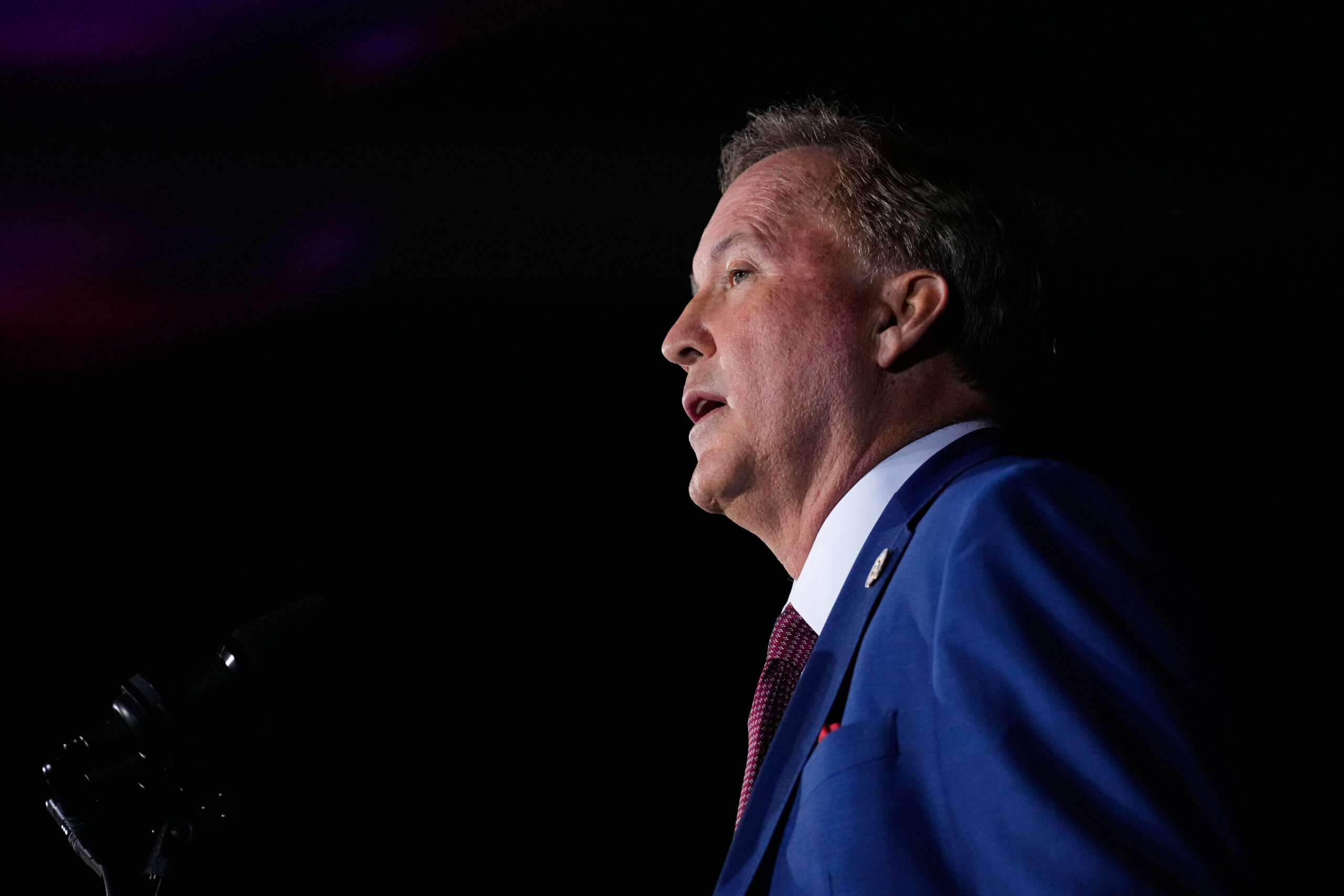
He’s eating barbecue. He’s winning over Joe Rogan. He’s challenging his opponent to mano-a-mano televised faceoffs.
James Talarico is determined not to let his GOP challenger Ken Paxton’s and Republicans’ attacks on his masculinity define him in what has emerged as one of the party’s loudest tactics in the crucial Senate race.
The Texas Democrat is working to position himself as a candidate focused on issues he says men actually care about instead of speculation about his diet, sexuality and religious beliefs.
“They’ve even called me a vegan, and those are fighting words in the state of Texas,” Talarico said at a San Antonio rally this summer.
“Nowadays our culture tells young men that greatness is tearing other people down, is trolling and owning and dominating. But my dad showed me what real greatness looks like. He inspired me to serve,” Talarico said at another rally in Houston, referencing how his dad often mowed the lawn of his elderly widowed neighbor without asking.
Talarico’s attempt to reclaim the masculinity narrative by confronting the issue head-on could help propel him to flip a seat Democrats haven’t held in nearly four decades, and which could determine control of the Senate next year.
It comes as both parties, in Texas and across the U.S., are fighting to win male voters — especially young, Black or Hispanic men — who in 2024 lurched to the right to help Republicans take control of the White House and Congress. The issue of masculinity has also been turbo-charged during Donald Trump’s second term, with the president hosting UFC fights on the White House lawn and his Secretary of Defense Pete Hegseth pushing for testosterone testing in the military.
If Talarico prevails, he could ultimately serve as a model for other Democratic candidates to connect with male voters or fend off Republicans who try to use issues of masculinity as a cudgel.
“Democrats need to be prepared for more of these attacks to come and understand how to handle them,” Lucas Holtz, a senior political adviser at the centrist think tank Third Way, said in an interview.
Republicans think they’ve hit a nerve with Texas voters about Talarico’s manhood. Members of the party have targeted the 37-year-old public school teacher-turned-state legislator for past statements endorsing a vegan lifestyle, suggesting that “God is nonbinary” and opposing legislation that erodes transgender rights.
“If you look at him, this is a guy who’s publicly stated pretty bizarre things — that God is nonbinary,” said Rep. Brandon Gill (R-Texas) in an interview. “He’s a total weirdo, and I think Texas voters recognize that.”
Talaricosaid recently his comment on God’s gender was meant to be “deliberately provocative” and that he meant God is beyond gender.
Republicans are also seizing on Talarico’s unmarried status and smaller physical build to paint the Democratic candidate as weak and effeminate. Some have falsely called him gay or transgender. Paxton’s very first ad of the general election campaign implied Talarico has low testosterone levels. And a conservative PAC released an AI-generated video of Talarico as an actress from “The Sound of Music” singing about wanting to give hormones to children.
Talarico opposes gender affirming care for minors, his spokesperson JT Ennis said.
“In Texas, there’s a certain level of tough guy-ness that we all pretend to have in ourselves, and that we like in our elected officials,” said Vinny Minchillo, a Texas-based Republican admaker who is not involved in the race. “If you push that the right direction, that especially does not sit well with Hispanic men and Black men.”
Paxton’s campaign and his allies think Talarico’s previous comments on these issues put him out of touch with voters in both parties.
“Texans can spot an audition for a new identity and they know he is weak and woke on core Texas values,” Paxton adviser Nick Maddux said in a statement. Maddux pointed to moves Talarico has made during the campaign he said shows flip-flopping, such as wearing a Texas flag shirt after calling the American flag a “complicated symbol.”
“He is undoubtedly hurting Democrats,” Republican Texas Sen. Ted Cruz said in an interview about Talarico.
Some Hill Democrats say Republicans’ fixation on Talarico’s manhood is an attempt to distract from Paxton’s weaknesses.
“They fear his strength, especially since he’s running against the most notorious scumbag in American politics,” Sen. Jon Ossoff (D-Ga.) said.
Paxton has faced an ethics complaint that was later dropped, a Justice Department corruption investigation for which he was not charged and securities fraud charges which were ultimately dismissed in an agreement. He was also impeached by the Texas GOP-led House for bribery and abusing his public office, which he called a “sham” coordinated by liberals, and was later acquitted by the Texas Senate.
Paxton also has a history of using cultural issues to his advantage, such as stoking anti-Muslim fears through campaign messaging.
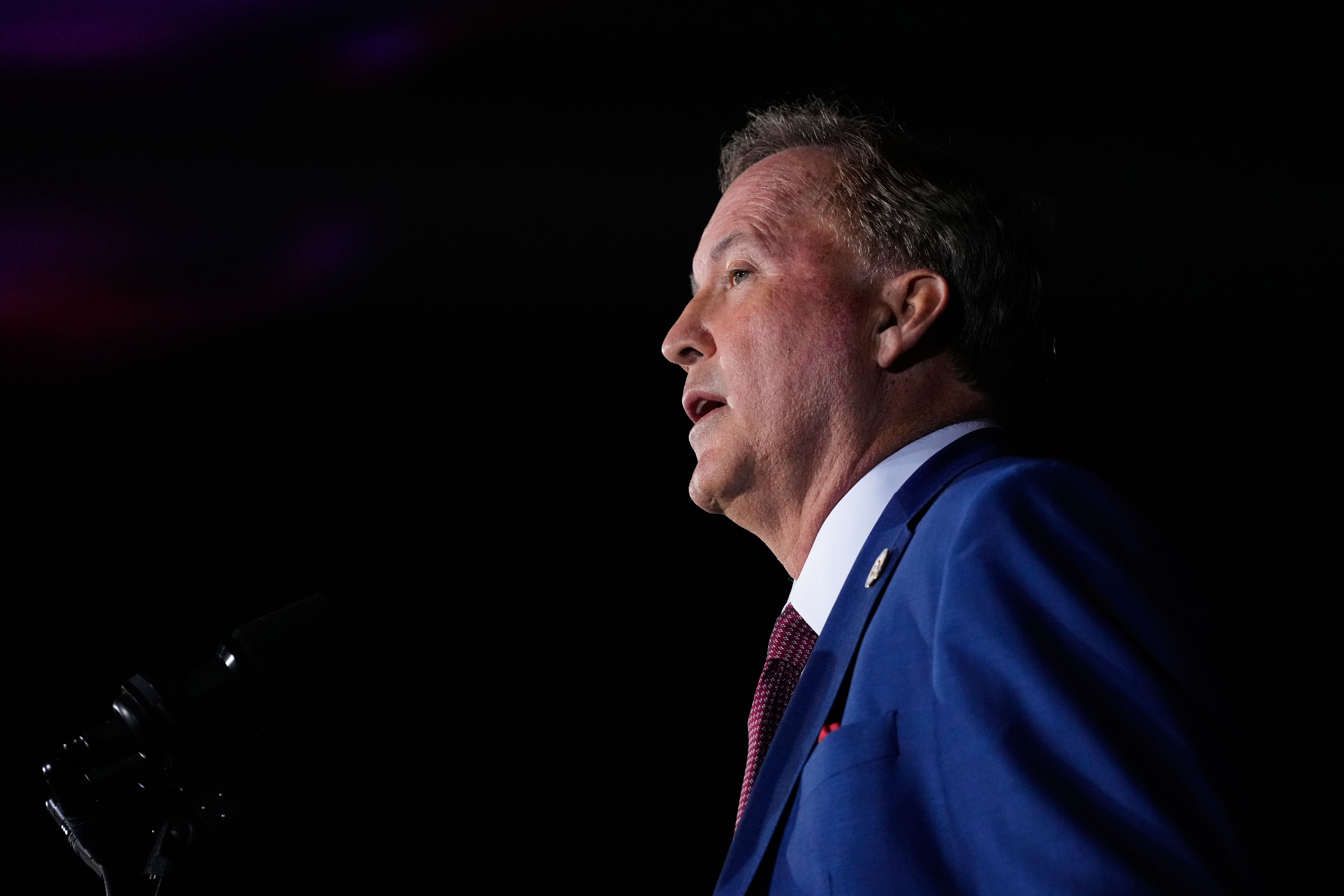
Meanwhile, Talarico’s campaign says they’re not seeing evidence that the masculinity barbs are gaining traction, pointing to robust Democratic gains among Hispanic voters while also arguing that polling shows a toss-up general election contest. The campaign did not share specific data to support that its messaging to male voters was lifting Talarico’s polling with that demographic.
Talarico has focused on issues he says affect many men — like lowering housing costs, stopping corporate landlord rent manipulation and curbing the influence of billionaire mega-donors in politics.
“Ken Paxton is picking these fights no one cares about to distract from the fact that he has no solutions to lower the cost of gas, groceries, or healthcare,” Ennis said in a statement. “Real men serve others, weak men serve themselves.”
Talarico also has tried to appeal to young men and Hispanic voters by placing ads during World Cup and NBA Finals games. And he’s challenging Paxton to a series of televised debates, in which the two could spar on manhood and other issues. Paxton’s team said he’s agreed to the debates but they’re still negotiating logistics and terms.
The Democrat’s campaign also said it is trying to facilitate similar opportunities to Talarico’s pivotal appearance on Joe Rogan’s podcast last year, which boosted his national profile to millions of young men who make up Rogan’s core audience. The podcaster — who during the interview exclaimed “you need to run for president,” to Talarico — has continued to compliment the Texas Democrat and defend his views, including during a conversation with Vice President JD Vance last month.
Talarico has also fired back with his own jabs. He responded to Paxton calling him “Talafreako” by putting the phrase on T-shirts and selling them on his campaign website.
And Talarico turned on Paxton’s low-testosterone message by telling MS NOW “I don’t think guys my age are really concerned about that kind of thing,” adding, “You’ve got these old guys lathered up in their fake tans throwing cheesy nicknames at each other.”
Some public opinion research shows Talarico’s strategy fits the 2026 moment.
The growing cost-of-living crisis — exacerbated by the deeply unpopular military conflict in Iran — and Trump’s low approval ratings may mean the GOP’s masculinity attacks fall flat this cycle, Luke Warford, founder and director of Texas Public Opinion Research, a nonpartisan public opinion research firm, said in an interview.
The top issues for men and young men in Texas center on affordability, the cost of living, economic growth and job creation, according to an aggregate of data shared with Blue Light News from the group’s latest surveys in May and June.
“We’ve got a really different scenario now where the Republicans are in power in Texas and nationally, so they own the things that are broken,” Warford said. “There is a deep anti-establishment sentiment in this country and a deep frustration with the status quo particularly among men, and that could be a much stronger political force than the cultural attacks.”
Matt Angle, founder of the Lone Star Project, a Democratic-aligned political action committee in Texas, said “there’s no attack that should be ignored,” but that Democrats are in a good position.
“Ken Paxton is no he-man. He’s a thin-chested, soft spoken, weak guy,” Angle said.
One warning sign for Talarico: a swath of male voters perceive him as too progressive, said Holtz, the Third Way adviser. Holtz noted a recent poll of men by the group in which 49 percent of respondents said the candidate was “too far left.”
In focus groups held by the centrist think tank last year and this year, young men overwhelmingly pointed to the Republican Party as the better representative of men’s priorities. Respondents in those groups associated Democrats with more social and cultural issues while tying Republicans with financial independence, finding a partner and starting a family.
On Capitol Hill, some Democrats are calling the conversation in Texas an opportunity to revisit the party’s historic avoidance of issues that are important to men, which have made them more susceptible to criticism.
Rep. Marc Veasey, a moderate Texas Democrat, said in an interview that “Democrats, overall, need to do a better job of expressing some of the concerns that young men have.”
“When we have people on our side who are attacking things like nuclear family structure and expecting everybody to fall in line, that’s pure insanity,” Veasey said. “There’s this expectation with Democrats that men are just going to follow along, and they’re not. We haven’t figured out how to talk to them.”
Sen. Ruben Gallego (D-Ariz.) said in an interview that Democrats tend to display examples of “traditional masculinity” rather than the “stereotypical masculinity” Republicans are attacking them for not adhering to. He pointed out he served in the Marines, Sen. Cory Booker (D-N.J.) played football and Sen. Mark Kelly (D-Ariz.) was an astronaut.
“What voters know is truly masculine is a politician who is going to take care of their needs and be a protector and be a provider for the family,” Gallego added.
“When a man can’t support his family because inflation is so fucking high, they’re not going to care about who is on the ballot that is, quote unquote, ‘not masc enough.’”


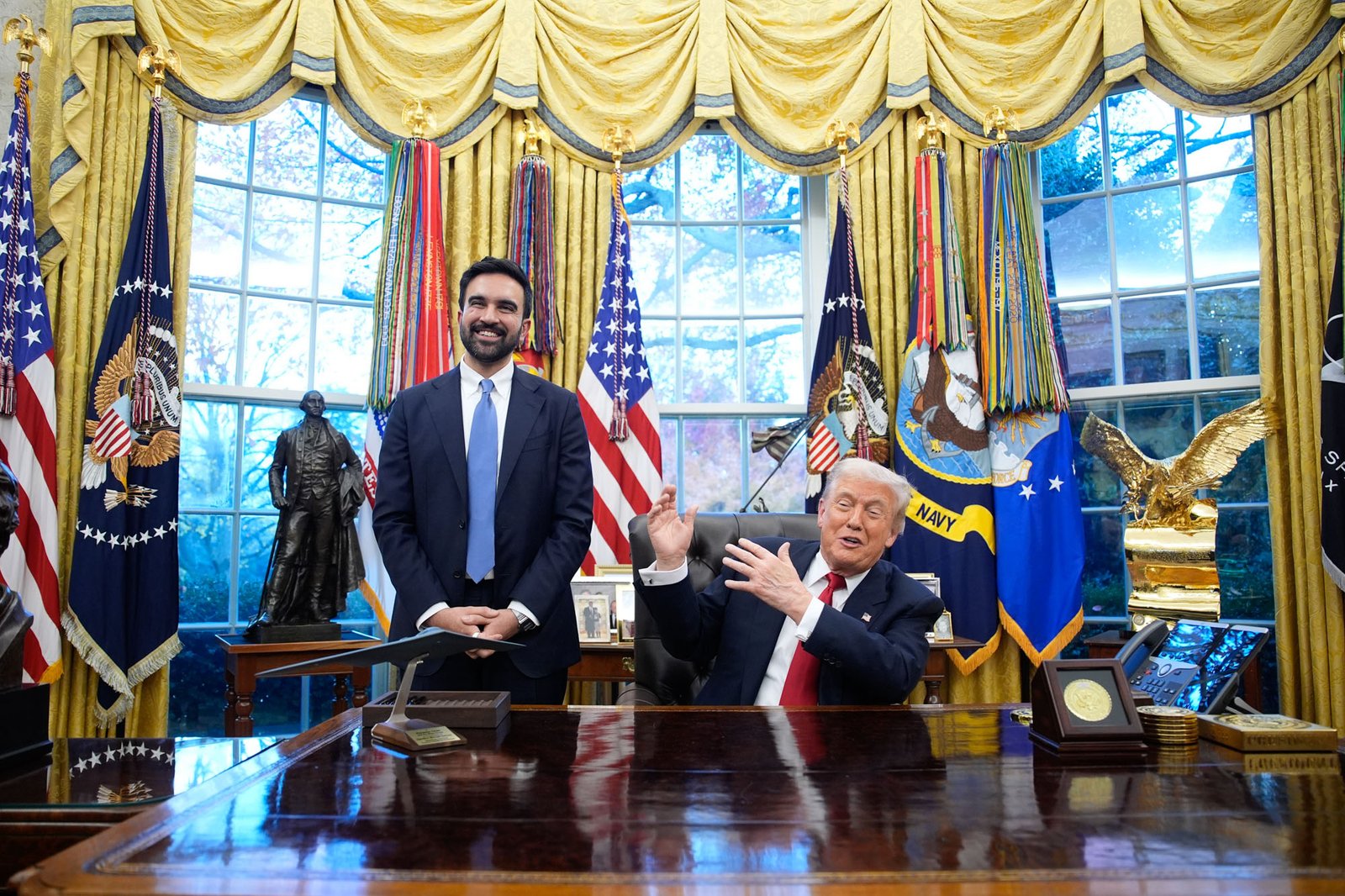
ALL EYES ON GRACIE: Mayor Zohran Mamdani is expected to sit down with President Donald Trump at Gracie Mansion this afternoon, their third in-person meeting in less than a year and the latest wrinkle in one of the strangest relationships in American politics.
Since Mamdani’s first, shockingly cordial meeting with Trump at the White House last November, political observers have scratched their heads about the democratic socialist mayor playing nice with the Republican president despite their deep disagreements on … just about everything. Ostensibly, Mamdani is putting his personal distaste for Trump aside and betting it’s best for New York City to keep things cordial so as to avoid drawing the president’s ire.
But as resistance to Trump remains animating for Democrats nationally ahead of November’s midterms, Mamdani’s strategy for engaging with him stands out.
Earlier today, Gov. Kathy Hochul made clear that she, for one, has no plans to meet with Trump while he’s in New York. “I speak to him on the phone whenever I need to,” she told reporters in Manhattan.
Hochul, who’s facing reelection in November and tends to directly criticize Trump more frequently than Mamdani, said it was her understanding that the mayor agreed to host the president at Gracie Mansion during a previous conversation at the White House.
“The mayor and [Trump] said that when he’s back in town again, he would go to Gracie Mansion,” the governor said. “I don’t have a Gracie Mansion to invite him to.”
Still, Hochul said there’s an opportunity for Mamdani to use the Gracie confab to push Trump on releasing federal funding for New York, including for law enforcement, that she said the president’s administration has been withholding.
“We have to continue fighting for what New York needs,” she said.
Mamdani’s office wouldn’t say who requested today’s meeting or share specifics about the expected focus in advance, only saying the mayor will talk to Trump about “issues affecting New York City.” A Mamdani spokesperson said the mayor will elaborate on what was discussed at a post-meeting press conference that Trump isn’t expected to attend.
After the appointment at Gracie, Trump is slated to meet with French President Emmanuel Macron before headlining a couple Republican fundraisers. By contrast, after his Trump tête-à-tête, Mamdani will have dinner with Vermont Sen. Bernie Sanders, who’s in the city to headline a United Nations Charter event this evening that will also feature pro-Palestinian activist Mahmoud Khalil, a person familiar with the plans who was granted anonymity to discuss them told Playbook.
The Queens-born Trump is in town ahead of his Tuesday address to the United Nations General Assembly.
Maintaining a relationship with Trump isn’t without risk for Mamdani.
As Trump remains deeply unpopular amid the war in Iran and other controversies, some Democrats are privately questioning why the mayor sees a need to keep interacting with the president. But so far, Mamdani hasn’t faced any significant pushback from his hard-left base over his engagements with Trump, with leaders of the local chapter of the Democratic Socialists of America largely viewing it as the mayor acting in the city’s best interests. — Chris Sommerfeldt and Madison Fernandez
From the Capitol
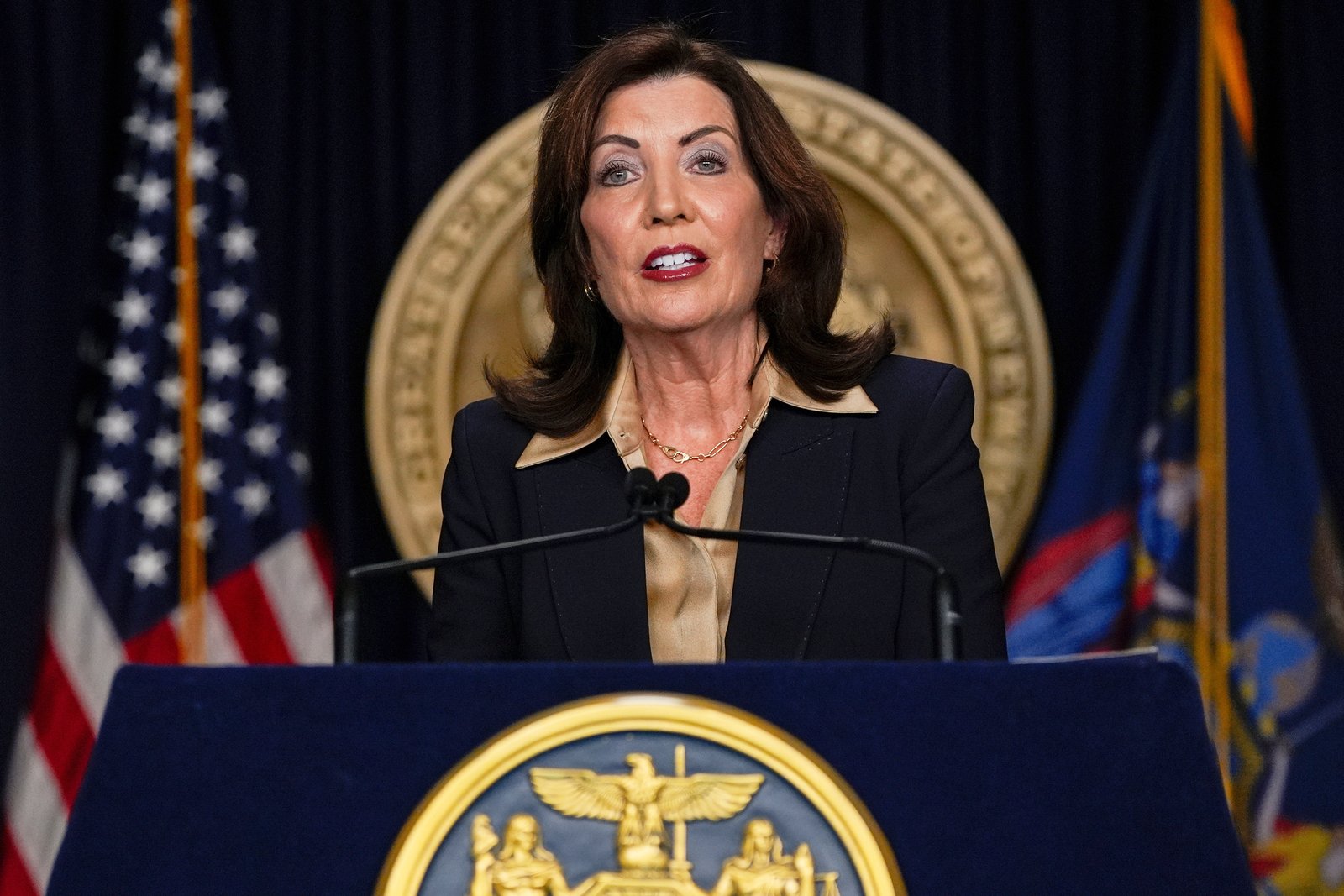
EYES ON AI: Hochul floated requiring safeguards like an artificial intelligence “kill switch” as part of state-level interventions to address the rapidly evolving technology.
During a Monday event in Manhattan rolling out next steps for enacting the RAISE Act, New York’s landmark AI safety law that is set to go into effect in January, the governor said she’ll “look closely at additional ways to build on” the legislation — including AI kill switches “if they’re deemed feasible and in the best interest of our state.”
The governor in recent days has vowed to take additional AI-related actions beyond the RAISE Act, but has not specified what that might look like. Her suggestion of a kill switch comes days after California Gov. Gavin Newsom issued an executive order to explore such a requirement for AI companies’ most-advanced models.
Some in the tech industry have argued implementing one is not technically feasible. Federal legislation to enact a kill switch requirement is currently stalled in Congress.
When asked to expand on the prospect of requiring a kill switch, Hochul said that “all options are on the table,” but wasn’t making a commitment.
“We’re going to do the research and make the decisions that are thoughtful to protect New Yorkers,” she said. “We’ll go as far as we need to to protect people of this state and ultimately this country in the absence of other leadership.”
Read more from Madison Fernandez in Blue Light News Pro.
MORE BLAKEMAN MONEY: Billionaire former casino developer Steve Wynn has donated $1 million to the main super PAC supporting Republican Bruce Blakeman’s gubernatorial bid, records filed with the state Board of Elections this morning show.
The committee, Strong and Safe New York, has now raised $5.3 million since July.
Wynn has been a top donor to national Republican causes for over a decade. His most recent large donations in New York came last year, when he gave $361,000 to the state GOP and $500,000 to a super PAC boosting Andrew Cuomo’s mayoral bid. — Bill Mahoney
FROM THE CAMPAIGN TRAIL
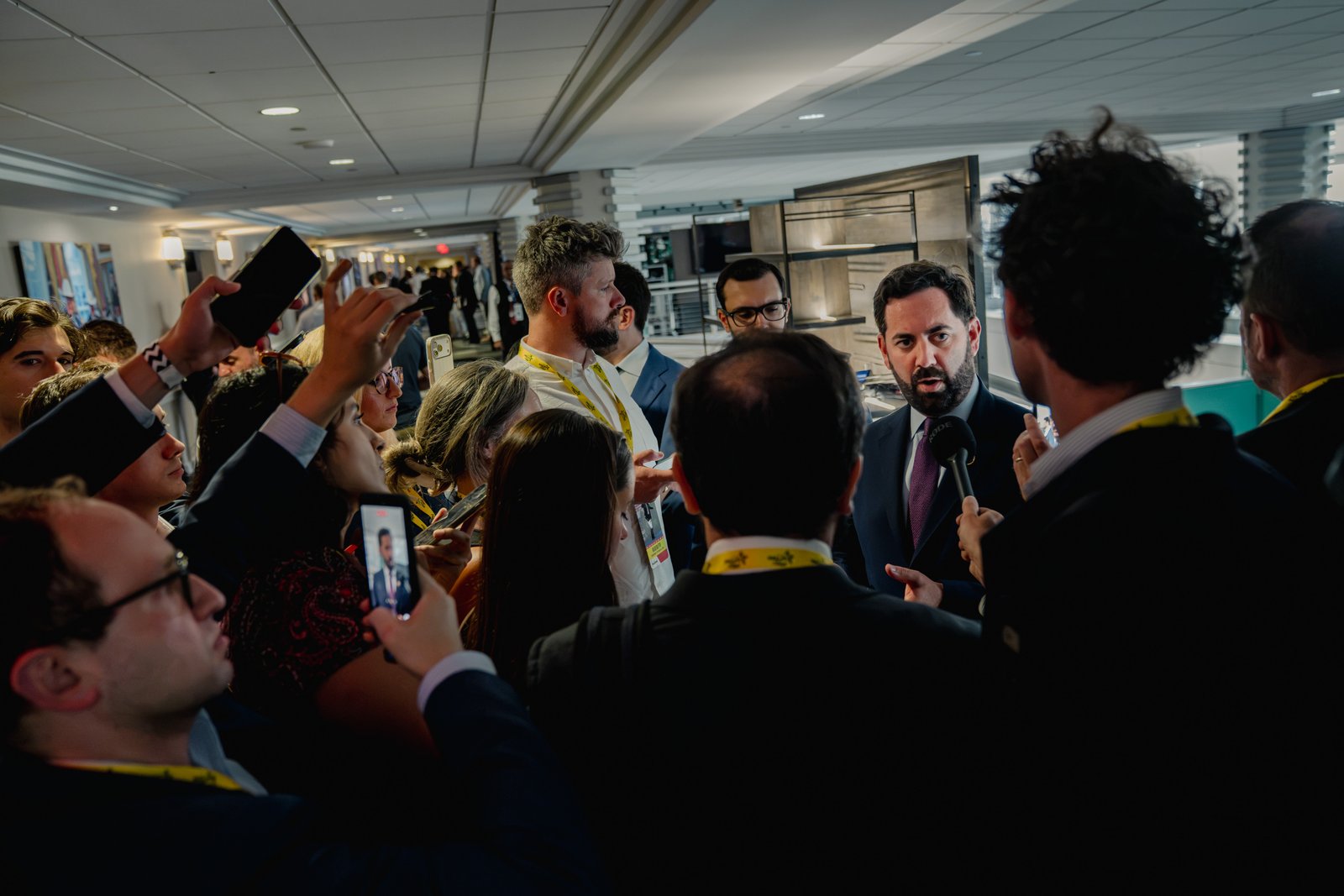
ENDORSEMENT CORNER: Rep. Jared Golden (D-Maine) endorsed GOP Rep. Mike Lawler in his reelection campaign in suburban New York, Golden wrote in an opinion article published Monday.
Lawler is facing a tough reelection campaign against Democrat Cait Conley in one of the biggest House battlegrounds this November. The lawmakers have previously collaborated to advance the Northeast Lobsterman Protection Act, and are both members of the centrist Problem Solvers Caucus.
Golden, who is not running for reelection, was one of two House Democrats to break with the party and twice vote in favor of the Republican legislative agenda earlier in September.
“Mike Lawler has been a true partner to me and a friend to fishing families he will never represent,” Golden wrote. “I strongly back him, and I hope voters send him back to work. Wherever you live, find the members who pass laws with the other party, and keep them.”
House Minority Leader Hakeem Jeffries called the cross-aisle endorsement a “smoke and mirrors ploy” that “will do nothing to change the outcome of the race.”
“In desperation, [Lawler] is peddling an 11th hour endorsement from a retiring Congressmember who represents an out of town district more than 400 miles away,” Jeffries said in a statement. “Mike Lawler is an unadulterated phony who has never shown bipartisan courage when it matters.”
Read more from Blue Light News’s Elleiana Green.
ON THE AIRWAVES: With fewer than 50 days to go before Election Day, House Democrats’ main super PAC is making its first TV ad buy in support of Conley on Monday.
The House Majority PAC said it is reserving $1.2 million on cable in the Hudson Valley contest. (An additional $1.2 million is going toward fighting Republican Rep. Tom Kean Jr.’s re-election in New Jersey, which is also covered by the New York City media market.) HMP said earlier this year that it didn’t include the high-dollar NYC media market in its initial reservations because it was “prioritiz[ing] markets where rates increase significantly.”
Republicans have been largely outpacing Democrats in NY-17 on the ad spending front, thanks to significant buys from super PACs backed by the president and House leadership. From the beginning of September through Election Day, the GOP has placed $15 million on ads across broadcast, cable, CTV and digital platforms, according to ad tracker AdImpact.
The new HMP spend is the biggest from an outside Democratic group so far, but still leaves a large gap between the parties. Democrats have placed around $3 million on advertising in the period between September and Election Day, with the largest chunk coming from the Conley campaign. — Madison Fernandez
IN OTHER NEWS
IN OTHER NEWS:
— JUDGES CASH IN: Brooklyn Democratic Party leaders have raked in $190,000 in contributions from judges and judicial candidates since 2012, raising some ethical and legal concerns. (New York Post)
— AFFORDABILITY AHEAD: Anthony Shorris, the mayor’s new pick for the president of the New York City Economic Development Corporation, laid out a vision for solving the city’s affordability crisis that goes beyond Mamdani’s vision for five city-owned grocery stores. (The New York Times)
— BUY NOW, PAY LATER: The Mamdani administration is pushing Albany for tougher ‘buy now, pay later’ regulation, as many New Yorkers use the plans to pay for basic essentials, sinking deeper into debt. (amNY)
Missed this morning’s New York Playbook? We forgive you. Read it here.
CHICAGO — Illinois Gov. JB Pritzker revealed Monday that he was diagnosed with Type 2 diabetes two years ago and began taking a GLP-1 medication, resulting in an 80-pound weight loss that he says has transformed his health and daily life.
The disclosure marks the first time the Democrat has publicly disclosed that he has diabetes, as well as officially acknowledging that he is on GLP-1 medication, which is prescribed both for diabetes treatment and weight loss. The governor told CBS News he started taking the medication after doctors warned that he would likely need insulin for the rest of his life.
Pritzker is viewed as a likely 2028 presidential candidate and has spent two years batting away questions about his visibly slimmer appearance, though he did hint at his weight loss during the Gridiron Club and Foundation’s annual white-tie dinner in Washington, D.C., earlier this year.
“I’m JB Pritzker, governor of the great state of Illinois, and if you’re seeing me in person for the very first time, yes, I’m the guy who put ‘gov’ in ‘Wegovy,’” he told the high-profile crowd.
The 61-year-old governor said he has struggled with his weight since childhood, dating back to when he was a 7-year-old. That’s about the time his father, Donald Pritzker, suffered a fatal heart attack at age 39 while playing tennis.
President Donald Trump has made Pritzker’s weight an issue, often commenting about it in personal attacks. Asked about his weight loss during an interview with Blue Light News in the spring of 2025, Pritzker said, “How about, just for health.”
In Monday’s CBS interview, the governor said he closely monitored his cholesterol, triglycerides and other health markers for years because of his family history. But after becoming governor, he acknowledged the stress of leading the nation’s sixth-largest state contributed to additional weight gain.
Two years ago, that concern became more urgent when doctors diagnosed him with Type 2 diabetes, he told CBS. “My doctor said, ‘Oh no, you’ll never come off of it. You’re going to have to do this the rest of your life, and I recommend that you take a GLP-1,’” Pritzker recalled about being told he’d have to take insulin.
His wife, MK Pritzker, encouraged her husband to proceed on GLP-1. “I want him to be around for a really long time,” she told CBS.
The governor’s office confirmed that as a result of the GLP-1, plus improved diet and exercise, Pritzker “is no longer on insulin and down to levels that indicate no diabetes/prediabetic levels.”
Pritzker said the effects were almost immediate. Within days, he said, he didn’t feel the appetite urges. “It was the strangest feeling.”
The governor also has gained local attention for taking walks along the Lake Michigan walking path in Chicago. Along with adopting the healthy habit, it’s allowed him to talk regularly to constituents.
During Monday’s interview, Pritzker side-stepped questions about whether he was running for president. “I honestly am focused on what’s best for the people of Illinois,” he said.
The governor also talked about being proud of Illinois’ decision to cover GLP-1 medications for people with diabetes, becoming emotional describing a woman who approached him and told him access to the medication had saved her life.
The announcement about his weight comes as Pritzker is taking a more prominent role in the 2026 midterms, chairing a political action committee focused on investing at least $20 million in Democratic House races. The move has added to speculation about a potential presidential bid, where the demands of a national campaign would put his health and stamina in sharper focus.
Voters are perfectly fine supporting candidates who aren’t white men.
But they do show small preferences for candidates who are younger and Christian, according to new results from The POLITICO Poll. And voters were most likely to penalize transgender candidates in hypothetical matchups, though Democrats were more likely to support them than GOP voters were.
The results cast a new light on a simmering, yearslong public conversation within both parties about what it means to be electable and whether putting forward candidates of varying backgrounds is too politically risky in a close election environment. It’s a debate that defined the last open Democratic presidential primary in 2020 and is poised to play a role in 2028 too.
Democrats have largely focused their debates on whether voters would accept a person of color or a woman, particularly after President Donald Trump defeated Hillary Clinton in 2016 and Kamala Harris in 2024 — while losing to Joe Biden in 2020. But the poll results suggest the characteristics voters care most about are different, shaped by frustrations over aging politicians and both new and old culture wars.
“The American people, I believe, think about identity way less than the average political consultant does,” said Mike Nellis, a longtime Democratic digital strategist who advised Harris’ 2020 presidential campaign. “Obviously there are factors in society that make it harder for women and people of color to get elected, but there are plenty of incredibly talented people out there who are capable of getting over the hump on that.”
To test whether demographic characteristics make a candidate more or less electable, Blue Light News’s polling partner, Public First, showed thousands of respondents a series of head-to-head matchups. In each case, respondents were given basic information about the candidate’s demographics, such as their race, age and gender; their career, with titles such as doctor, attorney general or CEO; and a single-sentence description of their political alignment, either as a progressive or moderate Democratic, independent, or moderate or MAGA Republican.
Respondents then picked which candidate they would prefer, and the results overwhelmingly showed voters cared the most about a candidate’s political ideology. But respondents also revealed more subtle patterns in their preferences.
Voters across both parties were more likely to reject older candidates in favor of younger ones. Republicans in particular favored candidates who were described as Christian or regular churchgoers, even when controlling for the candidates’ politics. GOP respondents picked candidates described as regularly attending a church just under 9% more often than candidates who did not have any faith.
That means that even though Republican respondents usually picked the GOP candidate in head-to-head matchups, for example, they were more likely to cross over and support an independent or Democratic candidate when that candidate was described as Christian.
The results on sexual orientation were more complicated: When candidates were described as “gay,” they were picked about 10% less often across all voters. But when the candidate descriptions describe the candidate as a man married to his husband — without a label for sexual orientation — respondents did not pick them less often in a statistically significant manner.
Voters were less likely to pick transgender candidates, with Democratic voters about 5% less likely while GOP voters were 17% less likely, all else held equal.
The age results were a strong signal that voters want a new generation of candidates after the last presidential cycle was driven by concerns about Biden’s age, fueling a slew of intergenerational primary contests this year and leading major Democratic voices to publicly call for a younger candidate for 2028. Trump is now 80, and Republicans have faced their own conversations about aging politicians, as Sen. Mitch McConnell (R-Ky.) faced serious health challenges earlier this year.
Amanda Litman, co-founder of Run For Something, which recruits candidates under the age of 40, said when the group started its work nearly a decade ago, younger people were often seen as “risky bets” electorally.
“Now I think people are starting to see that that is not true. Voters will judge people one by one,” Litman said. “They’re also really hungry for change and really hungry for someone who didn’t get us into this mess.”
The poll found candidates over the age of 70 were nearly 10% less likely to be picked than candidates under the age of 50, with Democrats slightly more likely than Republicans to disfavor a candidate due to age.
Notably, The Blue Light News Poll didn’t find differences based on a candidate’s race or gender overall, outside of gender identity. That has long been a topic of debate among Democrats thinking about winning the presidency.
When Harris replaced Biden on the top of Democrats’ ticket in 2024, few questioned that she would choose a white man as her running mate. Since her loss, some Democrats have argued that a white male candidate might be the best path forward for the party in 2028.
Harris also wrote in her memoir about the campaign that she thought picking former Transportation Secretary Pete Buttigieg as her running mate would have been “too risky” because he is gay, and that he otherwise would have been her ideal partner.
But Buttigieg, who is contemplating running for president in 2028, recently argued that the country is ready for a gay president, saying he wouldn’t have launched a bid in 2020 otherwise.
“What’s on people’s minds isn’t about you, your identity as a candidate,” he told NBC News last weekend. “It’s about them. It’s about their lives.”
- Abbott slaps halt on Texas data center permits
- Top House Oversight Dem demands answers to Trump’s media ban
- Mike Rogers says Iran war needs to “end quickly” amid rising prices
- The art of dealing with Trump
- Collins slams Trump plan to ‘politicize’ grants as defying Congress
- Big Ag and Big Oil go head-to-head over diesel export ban
- Hinson calls for end to Iran war amid soaring diesel costs
- Senior GOP appropriator pours cold water on funding Trump’s arch
- Pritzker says he’s lost 80 pounds on GLP-1 since diabetes diagnosis
- Michigan’s Gary Peters to teach at USC after retirement
-

 Politics2 years ago
Former ‘Squad’ members launching ‘Bowman and Bush’ YouTube show
-
Uncategorized2 years ago
Bob Good to step down as Freedom Caucus chair this week
-

 Politics2 years ago
Former Kentucky AG Daniel Cameron launches Senate bid
-

 The Josh Fourrier Show2 years ago
DOOMSDAY: Trump won, now what?
-

 The Dictatorship2 years ago
Luigi Mangione acknowledges public support in first official statement since arrest
-

 The Dictatorship2 years ago
Pete Hegseth’s tenure at the Pentagon goes from bad to worse
-

 Politics2 years ago
Blue Light News’s Editorial Director Ryan Hutchins speaks at Blue Light News’s 2025 Governors Summit
-

 The Dictatorship1 year ago
Mike Johnson sums up the GOP’s arrogant position on military occupation with two words