
Politics
Republican governors tried to slash state budgets. They have advice for Elon Musk.

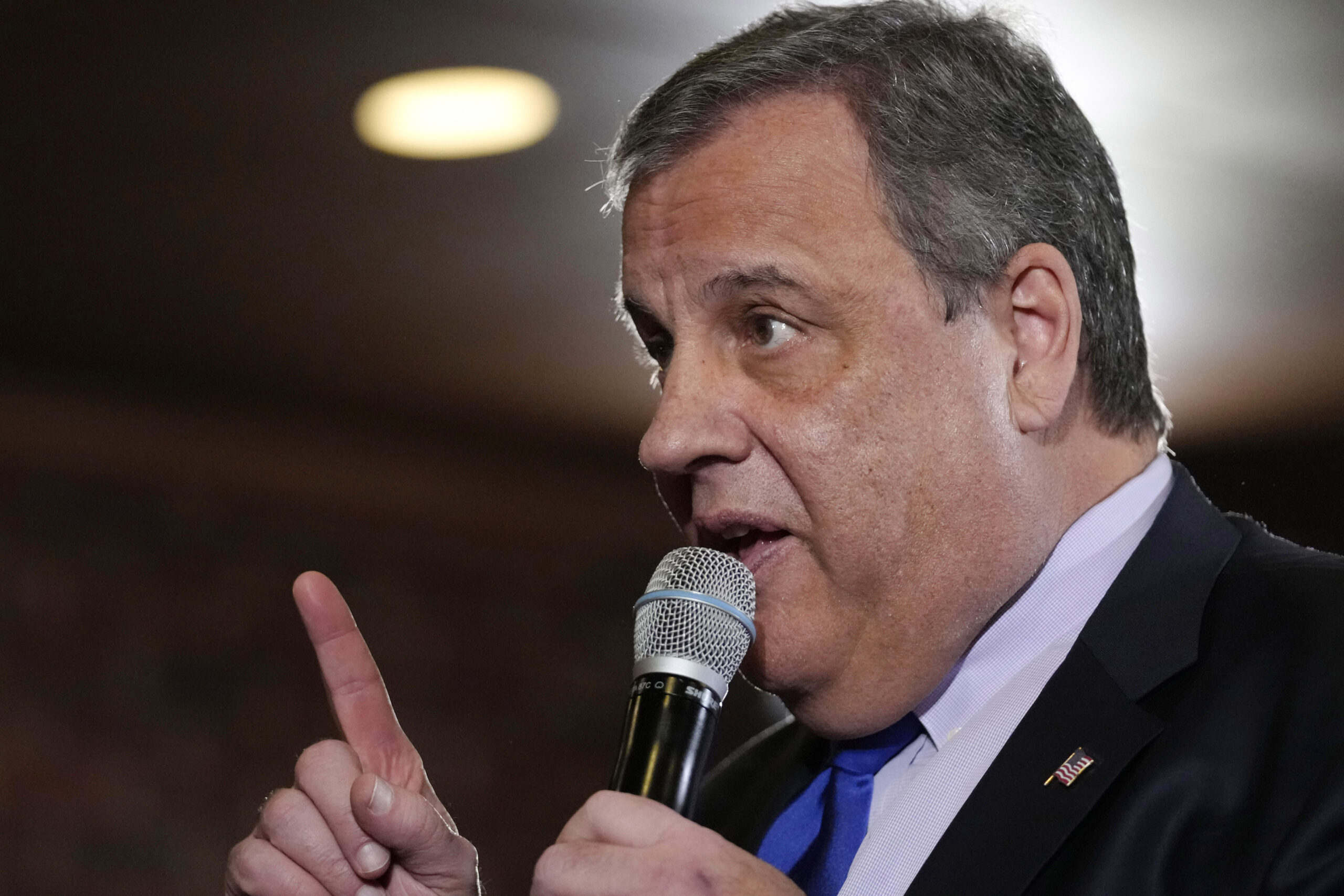
Before Elon Musk and his chainsaw, there was Mitch Daniels “the Blade.”
The former Indiana governor and Office of Management and Budget director under President George W. Bush, Daniels established a reputation in the early 2000s as a knife to government. As governor, he shrunk the size of his state’s workforce by 18 percent and turned a $700 million deficit into a $2 billion surplus.
Daniels even doled out refund checks to Hoosier taxpayers on the backs of the cuts.
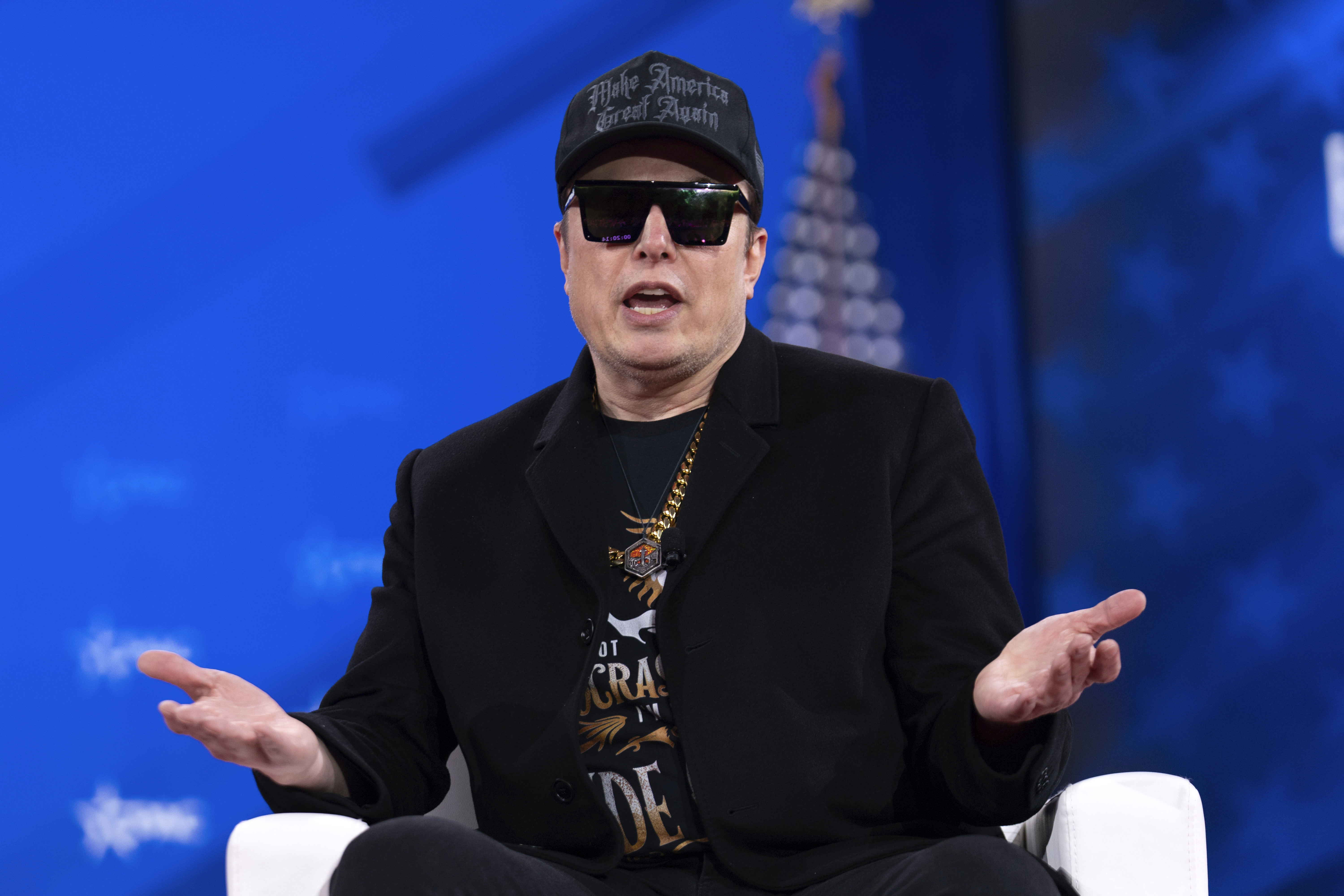
Now, he and a crop of like-minded former GOP governors are looking at Musk and President Donald Trump’s Department of Government Efficiency with a bit of nostalgia, uncertainty and — in Daniels’ case — caution.
“I certainly would have cautioned against throwing out a number that’s just preposterous,” Daniels told Blue Light News of the $2 trillion Musk has set as a benchmark for DOGE savings. “There’s a real value in an effort like this because they illuminate the fact that the government does a lot of very silly or unnecessary or even counterproductive things, but I would have urged that they go achieve some real success first and then talk. Talk less, do more.”
It’s not just Daniels. Former governors of Illinois and New Jersey attempted similar, albeit less aggressive, moves to cut government, sometimes stymied by the same bureaucracy they tried to eliminate.
The Trump administration has suggested it’s not doing anything new, invoking President Bill Clinton’s “Reinventing Government” initiative headed by Vice President Al Gore as an example. Musk even gave a hat tip to the Clinton White House, recently posting “What @DOGE is doing is similar to Clinton/Gore Dem policies of the 1990s.”
Who can forget the time Gore promoted the effort on David Letterman’s late-night TV show by taking a hammer to a government ashtray.
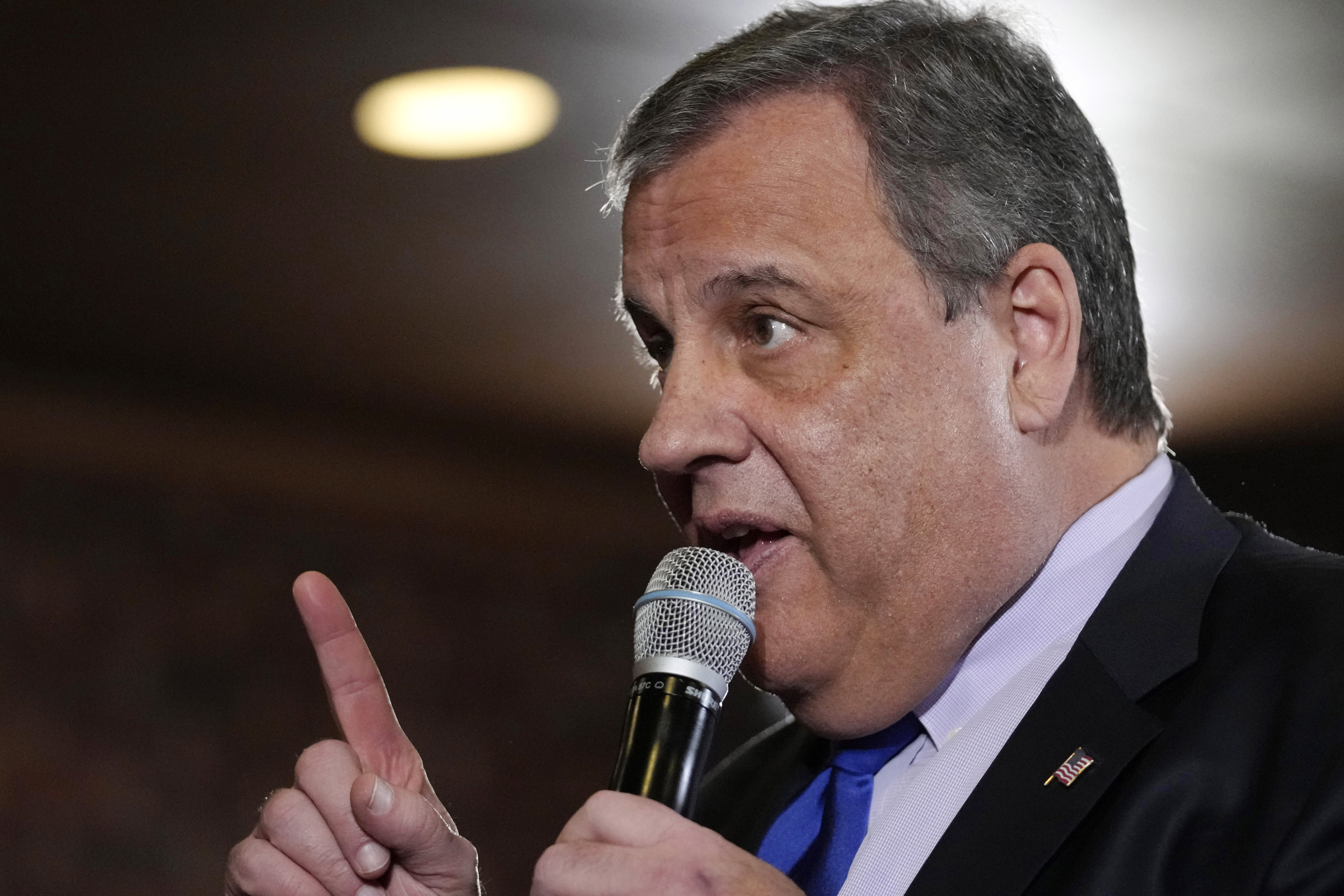
In interviews, the former GOP governors outlined successes and pitfalls of their respective approaches. Former Illinois Gov. Bruce Rauner said it was “very, very, very tough to shrink” the government in his state, while former New Jersey Gov. Chris Christie acknowledged making some cuts to human services he quickly regretted — forcing him to backpedal.
“I did a bunch of line-item vetoing and by definition that’s done more quickly because a bunch comes, and you have a certain period of time to do it. There were cuts to human services that wound up affecting kids in ways that I didn’t anticipate they would, and so I went back and changed it,” recalled Christie, a longtime Trump critic and former presidential candidate. “I took some abuse for it when it happened and I deserved it. I made a mistake, so I think when that happens, you just have to go ‘OK. I made the mistake, now fix it.’ It’s not like the mistakes are never going to be made.”
Daniels once even put pennies on the tires of state-owned vehicles to see if they were used. When he came back a month later and the pennies were still there, Daniels himself served as auctioneer and sold the fleet of 1,000 of them. He even cut the state’s force of planes and helicopters from 22 to 6.
But none of those efforts were anywhere near as chaotic as Musk’s DOGE, which has come with multiple instances of employees being fired and then re-hired, most notably nuclear weapons program workers and workers responding to the spread of bird flu.
“Personnel costs are such a small part of the money federal government spends and wastes,” Daniels said. “I think they don’t want to over emphasize that, because it hands the friends of the status quo a club: You know, you’re hurting these innocent people.”
Daniels, like Trump, had a Republican legislature to back him up. Rauner and Christie weren’t so lucky, facing resistance to their efforts to reduce government from Democratic-led state legislatures. And then there are outside pressures, similar to the legal challenges facing Trump.
“There are all kinds of restrictions and union rules and regulatory rules for what you can do as an executive versus what needs legislative or other approvals, including union approvals and employee approvals,” Rauner said in an interview.
Rauner was a Daniels acolyte who “studied what he did” and even tried to poach some of the Indiana governor’s staff. One top lieutenant made the move. But if Rauner’s Turnaround Agenda was designed to overhaul state government, his proposals left him butting heads with the Democratic-led Illinois General Assembly, and resulted in a more than two-year budget impasse that saw social service programs drastically cut or eliminated.
He said Republicans believe the Trump administration “deserves credit for trying [to reduce government] because nobody else, literally nobody, has been willing to do it at the federal level in anything like this scale and speed.”
And he compared Trump’s sledge-hammer approach to how the corporate world operates — “move fast and break things that are broken. And most Republicans regard the federal bureaucracy as broken. So I think they’re trying to do what a lot of people would support.”
That’s except for one thing. Rauner acknowledged he wouldn’t cut education. “It’s the most important thing we do collectively as a community and as a society,” he said.
Like Rauner and Daniels, Christie, a former two-term governor of New Jersey, has been watching closely at how Trump’s team is trying to recreate government.
Christie argued a lack of transparency is the biggest problem with the current reinvention of government.
He pointed to the recent flub in which DOGE “accidentally canceled” efforts by the U.S. Agency for International Development to prevent the spread of Ebola. Musk said the initiative was restored, but those kinds of mistakes don’t sit well with the public.
“That’s why I think you should be going through a process where people know what you’re doing and that you’re doing it in a transparent way by examining it before you cut it,” said Christie. “Here, I think it’s the opposite process.”
Daniels, perhaps more than any national figure, has long argued that the U.S. faces a debt timebomb — a thread he referred to in a 2011 speech at the Conservative Political Action Conference as the “new red menace.” (The speech received raucous applause: “times change!” he said.)
In the same speech, notably, Daniels trotted out the idea of a taxpayer refund — setting aside money for taxpayers “beyond a specified level of state reserves.” Today, he argued that a DOGE tax credit would be a “giveaway as crass as what Biden tried to do with student loans.” Daniels later signed into law the taxpayer refund, and taxpayers have benefited from it at least three times.
Back then, Daniels also argued for presidential impoundment authority, the ability to not spend money appropriated by Congress, an idea on which Trump also campaigned.
“Nothing radical about it,” Daniels said now.
Daniels isn’t opposed to Musk’s project. But he said it’s his native OMB that has the real “authority” to cut more deeply into the bone.
“I want to see them build the case for restraint by doing some things that are effective,” Daniels said. “The sky won’t fall. I’ve always said you’d be amazed how much government you’d never miss.”
But the cuts he thinks Trump and Musk can achieve are incremental, Daniels said — doubtful Trump and Musk will find the kind of cuts they’re looking for.
“This president has taken off the table the only way you’d ever get close to such a number, and that’s entitlement reforms,” he said. “If they won’t touch Medicaid, then they don’t have a chance of doing much that’s real.”


Byron Donalds says he is not a ‘yes man’ to Trump
lead image
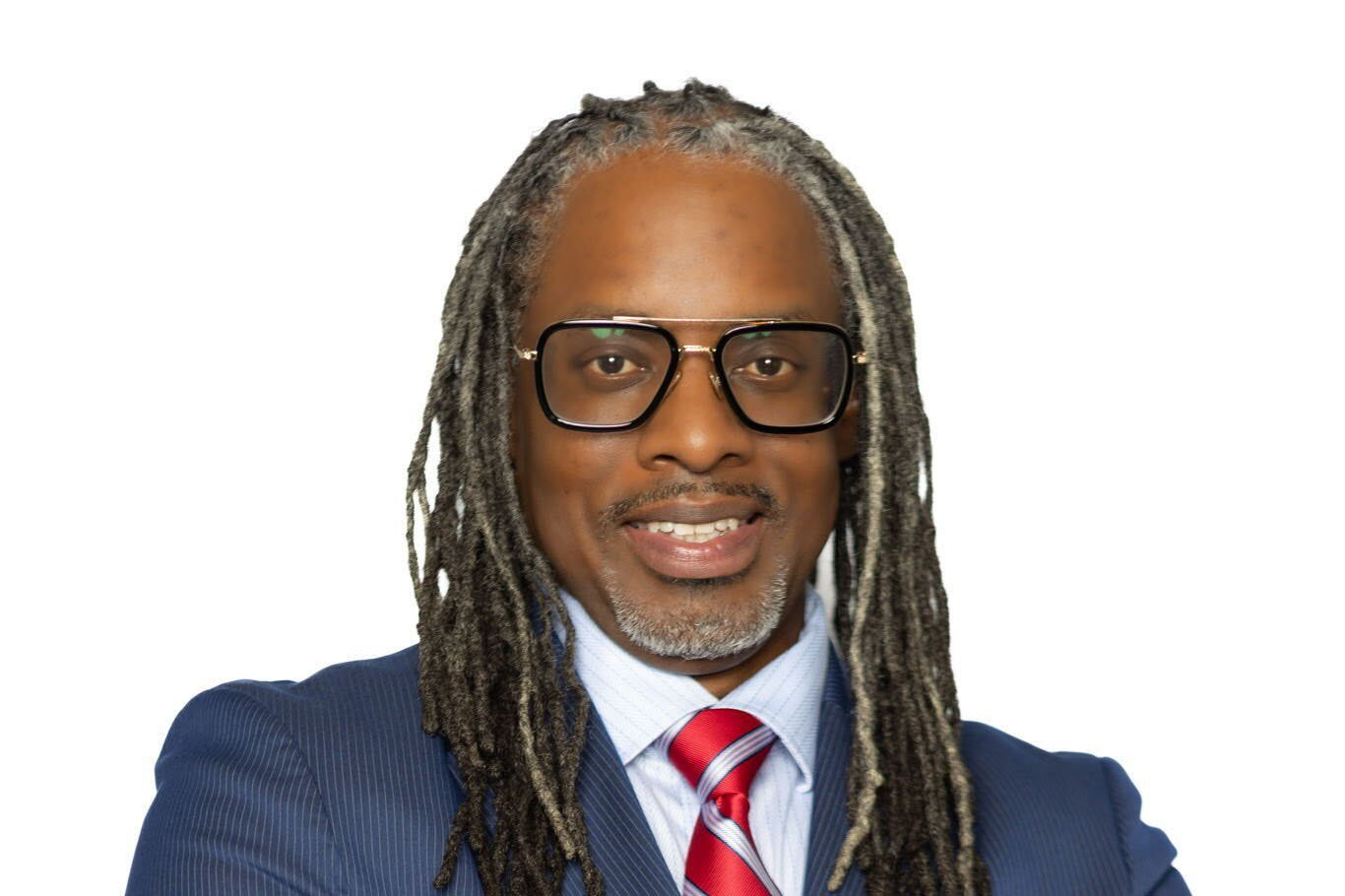
The progressive political action committee Justice Democrats has appointed Rev. Hodari Williams as its new executive director. The change sets the organization up to hone a civil rights message ahead of the 2028 election cycle, Williams told Blue Light News.
His appointment, shared first with Blue Light News, comes at a time when self-proclaimed progressives (and socialists) are flooding the scene. The PAC has had its most successful election cycle ever, helping seven candidates — including Donavan McKinney in Michigan, Melat Kiros in Colorado and Darializa Avila Chevalier in New York — defeat incumbents in the primaries. While those candidates are heavily favored to win on Election Day, the fates of three other Justice Democrats candidates, including Tennessee’s state Rep. Justin Pearson, remain less certain going into November.
At one point, the group tried to get Williams to run for office. Though he declined, Williams said now is the right time to force change.
“America and its present-day politicians, from my experience, have a high blood pressure of promises and anemia of political courage,” Williams said in an interview, using a common Kenyan political expression. “Right now, JD is producing candidates who have the political courage to deal with the crises that are existing in marginalized and disenfranchised communities, and I want to be a part of that.”
Williams, 46, was born and raised in Lakewood, New Jersey. His parents were activists and community organizers who raised him on the legacy of the Civil Rights Movement. After graduating from Francis Marion University in Florence, South Carolina, with his bachelor’s degree, he joined the NAACP as a field organizer for voter rights and empowerment while pursuing his Master’s of Divinity at the Interdenominational Theological Center. In his time with the NAACP, Williams traveled across the Black Belt, where he said he witnessed poverty and inequity up close.
“Civil rights traditionally has been something that people have tried to separate from progressivism … but these movements are inseparable,” said Williams. “What I witnessed in the South as a worker in voter rights and voter empowerment and education, and as a regional representative for the NAACP, was that the conditions that created inequity still existed and needed to be confronted and challenged.”
His work took him to Kenya, where he served as a program coordinator with the Presbyterian Church USA. In Nairobi, he supported the Green Belt Movement’s work against deforestation and its mission to highlight environmental justice as a tool for economic empowerment and self-determination.
Now, as some Black and brown voters express concerns of being tokenized by traditional Democratic candidates, Williams plans to bring his experience working in racial justice circles to his new role.
“I have worked in communities that have borne the brunt of failed promises from the current Democratic leadership,” Williams said. “I have opened the doors of my congregations to politicians and have experienced the absence of those politicians after the elections.”
He continued: “Black communities have become destinations for environmental hazards and data centers. Unemployment has risen. Black federal employees have been targeted. The list goes on. I’ve pastored these people. I’ve prayed with them. I’ve listened to them as they’ve shed tears. Now I’ve decided I want to move from triage work to really transformational work.”
Some of that work will require challenging other Black leaders.
“Unfortunately, many of our Black politicians have become victims of corporate capture, and their voices have been taken by entities like AIPAC,” said Williams, referring to the American Israel Public Affairs Committee. “They have not really been able to stand for the issues that are affecting the communities that that many of us are fighting for, and JD candidates are free from that, and they’re free to take bold and significant action to move forward legislation.”
But with the 2026 election cycle nearly over, the PAC is already brainstorming how to establish a strong progressive coalition for the 2028 presidential election. That will mean convincing the mainstream Democratic party that Justice Democrats have built a lasting coalition of the party’s base, said Williams.
“We hope that the Democratic Party would see that we’re developing a blueprint to show them how the base is being energized around the issues that are kitchen table issues that people want us to deal with,” said Williams.
“It’s not enough for us just to have a call to defeat a fascist president. We don’t want a fascist president. We want him out, but we also want a vision of what America could look like when affordability, healthcare, civil rights, housing, and livable wages — all of those things are at the top of the political agenda,” he added.
Williams succeeds current executive director and co-founder Alexandra Rojas, who will become president of Justice Democrats’ board and will support Williams as a senior adviser.
Iowa Rep. Ashley Hinson took a swipe at the savings habits of millennials as she fielded a question Wednesday about Social Security during a Senate campaign debate.
Hinson, the Republican candidate facing off against Democrat state Rep. Josh Turek, was asked about ensuring the solvency of Social Security when she raised the broader prospect of savings by millennials, the demographic consisting of people born from 1981-1996.
She said the country needed to have a “serious conversation” about “how young people are saving money,” as part of the discussion about the future of Social Security.
“We also need to be talking about millennials saving money,” she later added. “Millennials are the worst group of savers in the country right now and have the least amount of savings. So those are ways where I think we can help have a bigger conversation around saving in general, planning for retirement, and making sure we’re all able to experience a robust retirement.”
Hinson faces a tough race in Iowa against Turek amid a difficult political environment for Republicans. Voters are overwhelmingly pessimistic about the state of the economy and their own personal finances, and they support Social Security while being concerned about the program’s future.
Hinson said she would not support cutting benefits and suggested creating a bipartisan commission to present suggestions to Congress to save the program. When pushed on her statement that “all options should be on the table,” she turned her attention to young people.
“I think my dad and I had this discussion when I was in sixth grade, looking at a ledger book and trying to figure out, hey, how are we going to make sure you’re set up for your life?” she said. “So we need to be having a conversation simultaneously to all solutions on the table, to make sure that it can stay solvent, while we’re also talking about, how do we get more young people to save?”
Hinson’s campaign did not immediately respond to a request for clarification.
Turek, when asked about Social Security, said he supports removing the payroll tax cap.
“The best way we can keep this solvent is by taking off the cap,” Turek said. “Let’s make sure that billionaires and large corporations are paying their fair share. That will move the needle in a very serious way to keep Social Security solvent.”
Hinson disagreed. “The only thing I’m hearing from him is that the only solution to everything is to raise taxes,” she said.
- Democrats drop $5M into Kansas Senate race
- House Democratic campaign arm says it needs $17 million, and fast
- Hegseth faces bipartisan backlash over public execution for Fort Hood shooter
- Capitol agenda: How Warren could link arms with Trump’s GOP
- Even some Republicans want this watchdog agency to sue Trump
- Grassley slams Democrats for ‘falling over themselves’ to defend Jack Smith
- This watchdog can bark. Congress wants it to bite.
- Byron Donalds says he is not a ‘yes man’ to Trump

- Mike Rogers opens the door for AIPAC support in Michigan Senate race
- Hegseth: Military will publicly execute Fort Hood shooter
-

 Politics2 years ago
Former ‘Squad’ members launching ‘Bowman and Bush’ YouTube show
-
Uncategorized2 years ago
Bob Good to step down as Freedom Caucus chair this week
-

 The Josh Fourrier Show2 years ago
DOOMSDAY: Trump won, now what?
-

 The Dictatorship2 years ago
Pete Hegseth’s tenure at the Pentagon goes from bad to worse
-

 Politics2 years ago
Former Kentucky AG Daniel Cameron launches Senate bid
-

 The Dictatorship2 years ago
Luigi Mangione acknowledges public support in first official statement since arrest
-

 Politics2 years ago
Blue Light News’s Editorial Director Ryan Hutchins speaks at Blue Light News’s 2025 Governors Summit
-

 The Dictatorship1 year ago
Mike Johnson sums up the GOP’s arrogant position on military occupation with two words