
Politics
Poll: Here’s what Americans’ affordability problems look like

Americans are struggling with affordability pressures that are squeezing everything from their everyday necessities to their biggest-ticket expenses.
Nearly half of Americans said they find groceries, utility bills, health care, housing and transportation difficult to afford, according to The Blue Light News Poll conducted last month by Public First. The results paint a grim portrait of spending constraints: More than a quarter, 27 percent, said they have skipped a medical check-up because of costs within the last two years, and 23 percent said they have skipped a prescription dose for the same reason.
The strain is also reshaping how Americans spend their free time. More than a third — 37 percent — said they could not afford to attend a professional sports event with their family or friends, and almost half — 46 percent — said they could not pay for a vacation that involves air travel.
While President Donald Trump gave himself an “A-plus-plus-plus-plus-plus” grade on the economy during an exclusive interview with Blue Light News’s Dasha Burns, the poll results underscore that voters’ financial anxieties have become deeply intertwined with their politics, shaping how they evaluate the White House’s response to rising costs.
Trump insists that “prices are all coming down,” as he told Burns, but the results pose a challenge for Trump and the Republican Party ahead of the 2026 midterms, with even some of the president’s own voters showing signs that their patience with high costs is wearing thin.
Blue Light News reporters covering a variety of beats have spent the past few weeks poring over the poll results. We asked some of them to unpack the data for us and tell us what stood out most. Here’s what they said:
TARIFFS
The big observation: Trump has struggled to persuade even parts of his base to accept the idea that tariffs will pay off over time. A minority — 36 percent — of Trump voters said tariffs are hurting the economy now but will benefit the U.S. over time.
Even fewer said the strategy is already working: 22 percent of voters who cast their ballots for Trump in 2024 said tariffs are helping the U.S. economy both now and in the long term, according to the poll conducted in November.
What really stood out: Staunch supporters of the president were roughly twice as likely as other Republicans to believe tariffs are a net positive already, although large shares of both groups still said they view them as harmful. Even people who self-identify as MAGA Republicans were split on one of the president’s favorite tools: 27 percent of those MAGA voters said tariffs are boosting the economy both now and in the long term, while 21 percent of them said tariffs are damaging in both the short and long term.
What now? Tariffs represent more than an economic tool to the president, who argues the levies have helped him negotiate peace deals around the globe and nudged corporations to bring investment to American shores.
Trump has frequently urged Americans to be patient with his tariff strategy, much of which could be cut down by the Supreme Court in the coming months, but it remains a delicate political issue when a lot of voters may be more concerned about their everyday expenses rather than a broader global calculus.
– Ari Hawkins
COLLEGE COSTS
The big observation: The tuition is too damn high. Only a quarter of Americans think college is worth the money, regardless of party, The Blue Light News Poll found. Overall, 62 percent of Americans said college isn’t worth it because it either costs too much or doesn’t provide enough benefits — a belief supported most by 18- to 24-year-olds and those aged 65 and up.
The income gap between Americans with college degrees and those with high school degrees widened over the last two decades. And recent research from the U.S. Census Bureau found the median income of households headed by someone with a bachelor’s degree or higher last year was more than double the median income of those with householders with a high school degree but no college.
What really stood out: Despite that economic divide, more than half of people surveyed who graduated from college supported the idea that higher education is either too expensive or not sufficiently useful.
What now? Both former President Joe Biden and Trump have tried to respond to this frustration, pitching efforts to boost technical education programs and federal support for professional degrees in lieu of 4-year universities.
The Trump administration has pressed universities to control their costs — attempting to tie those efforts to the schools’ access to federal funds — but also shed the student loan forgiveness programs Biden championed.
– Juan Perez Jr.
FOOD PRICES
The big observation: Trump attributed his 2024 victory over Biden partly to his pledge to bring down the cost of everyday goods like eggs. But a year later, Americans are more worried about being able to afford groceries than the rising cost of housing or health care, according to The Blue Light News Poll.
Half of those surveyed said they find it difficult to pay for food. And a majority, 55 percent, blame the Trump administration for the high prices — even as the White House emphasizes its focus on affordability and the economy ahead of the midterm.
What really stood out: As affordability increasingly becomes a political flashpoint, with Democrats eager to seize on GOP vulnerabilities, a meaningful share of Trump’s own voters — 22 percent — blame the president for the high grocery costs.
What now? Balancing those concerns with a president who has put tariffs on goods imported from all over the world is a challenge for Trump’s administration — and an issue Democrats are certain to keep prodding.
– Rachel Shin
HOUSING
The big observation: Concerns about housing costs — which have represented a major share of inflation in recent years — eclipsed those for health care, utilities, commuting expenses and child care, The Blue Light News Poll found.
Only grocery costs bested the issue across more than a dozen expenses when respondents were asked to identify the items they find “the most challenging” to afford. The high cost of housing is also coming through in other metrics: The median age of first-time homebuyers climbed to a record high of 40 this year, according to the National Association of Realtors.
What really stood out: The Blue Light News Poll found that homebuying and rental costs were of particular concern for young and Hispanic adults, two constituencies whose support for Trump last year helped Republicans regain control of Washington. There’s also an interesting wrinkle among GOP voters. While only 10 percent of those who identified as MAGA Republicans believe the Trump administration is responsible for the housing costs they see as unfavorable (52 percent of them point to the Biden administration), that figure was three times higher for non-MAGA Republican respondents.
What now? Those surveyed spread the blame for high housing costs across the Trump and Biden administrations, state and local governments and private landlords. But it’s Republicans who have to protect their hold on Washington heading into the midterms while the president generally dismissed affordability this week as “a hoax that was started by Democrats.”
– Cassandra Dumay
HEALTH CARE COSTS
The big observation: Nearly half of American adults find it difficult to afford health care, according to The Blue Light News Poll. Health care ranked as the No. 3 cost concern for respondents.
Democrats are pushing to extend pandemic-era enhanced Affordable Care Act premium tax credits, which are set to expire at the end of the year. If they end, prices will skyrocket for many Americans who buy insurance through the Obamacare marketplace. Democrats, who have struggled since Trump’s victory to coalesce around a campaign message, are banking on health care costs and other affordability concerns being a winning issue for them in the midterms.
What really stood out: The divide between MAGA and non-MAGA. While 84 percent of people who identified as MAGA Republicans said they trusted the GOP to bring down the cost of health care for everyday Americans (7 percent of which actually trusted the Democratic Party more on this issue), 49 percent of non-MAGA Republicans felt the same way. And nearly a quarter — 24 percent — of the non-MAGA respondents put their faith in Democrats on this issue.
What now? While poll respondents overall said they were more likely to trust Democrats to bring down health care costs, the overall split may not be concerning to Republicans running for reelection: 42 percent favored Democrats on the issue, compared with 33 percent favoring Republicans. The question becomes whether the non-MAGA Republicans can be persuaded to break ranks, or undecided voters are wooed.
– Sophie Gardner


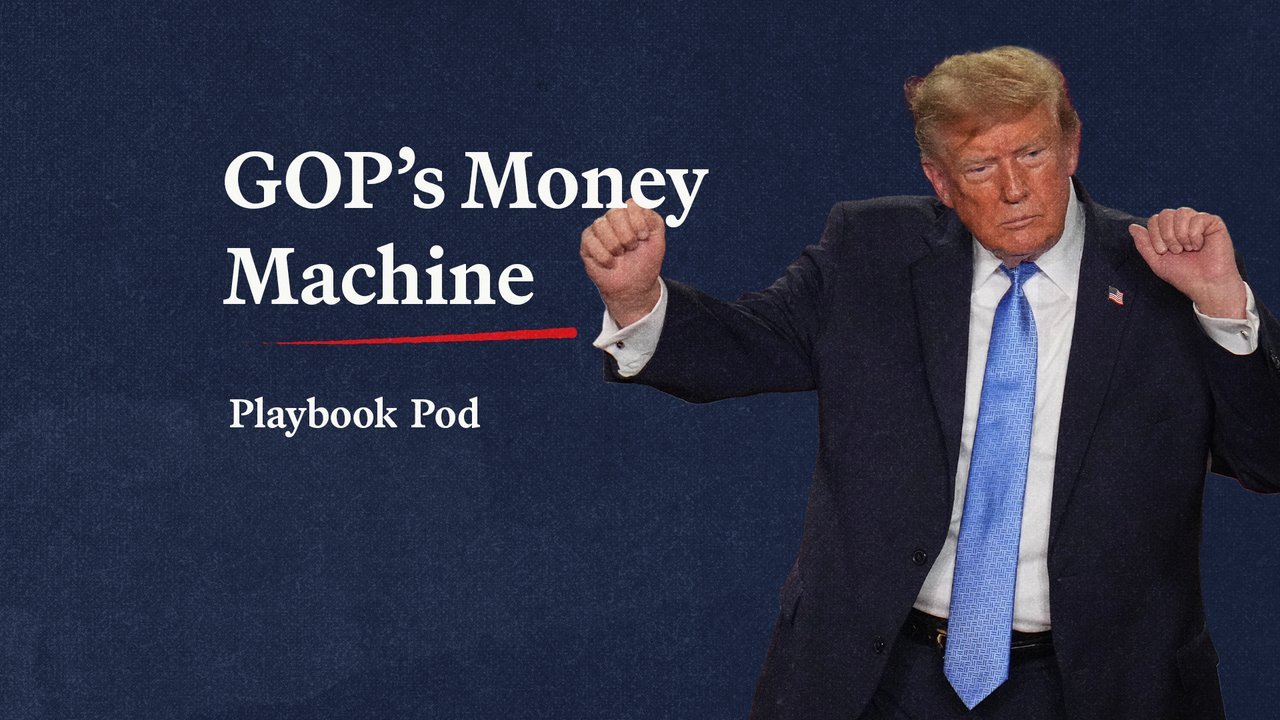
Trump is still the center of the GOP money universe
lead image
Republicans’ small-dollar donor base has contracted in recent years, leaving the party more dependent on a tiny group of wealthy megadonors for support.
The GOP has had a cash advantage all year thanks to a relatively small group of large donors who have funded super PACs — Elon Musk alone has given nearly half a billion dollars this cycle. But the campaigns themselves have raised relatively little, and there’s one major reason: Other than President Donald Trump, who is still the party’s biggest fundraiser, Republicans still haven’t figured out how to raise money online.
New campaign finance filings reveal just how deep the problem goes. While Republicans have long struggled to grow their grassroots donor base, they’ve moved in the wrong direction in recent years. The number of federal donors giving through WinRed, the major GOP online fundraising platform, is down, with roughly 1.5 million donors so far this cycle compared to 2.2 million at this time in 2022. Meanwhile the number of donors has increased by about one third on ActBlue, from 4.9 million to roughly 6.6 million.
The contrast is stark: A single Democratic candidate, James Talarico in Texas, has had roughly the same number of donors on ActBlue this cycle as all Republican candidates and committees combined had on WinRed, according to a Blue Light News analysis of reports ActBlue and WinRed submitted to the Federal Election Commission.
Republican digital strategists who have been sounding the alarm for years say lagging donations are a product of fatigue, driven by years of urgent messages to the same set of potential donors.
“We beat the absolute hell out of low-dollar donors with texts and emails without expanding our [donor lists], and now no one pays attention,” said Wesley Donehue, a South Carolina-based GOP digital strategist.
Republicans’ online fundraising struggles have put their House and Senate candidates at a particular disadvantage, as candidates — unlike super PACs — face strict contribution limits and need a far larger pool of donors from which to raise money. Poor candidate fundraising has major campaign implications: Democrats’ cash advantage on that front has helped them run nearly as many ads as Republicans despite having less money overall, because candidates and parties get better rates than super PACs on broadcast TV.
Democrats’ grassroots fundraising strength is in part because of how decentralized the party is, with individual campaigns and groups building their own donor lists and fundraising operations. Virtually all of the the top Democratic fundraisers online this year are Senate candidates in competitive races.
But Republicans’ online fundraising, like so much of the party, is still centered around Trump and the official party committees. Unlike on the Democratic side, few individual Republicans have managed to break out.
Republicans’ fundraising troubles have left them more reliant on Trump: The president’s super PAC, MAGA Inc., is among the biggest midterm spenders. The group and its affiliates have now spent $296 million — after facing pressure for much of the cycle from some in the GOP who wished it would have gotten involved sooner.
“Candidates are not investing the time and resources in programs that grow the donor lists and attract their supporters into the ecosystem. Instead, they just barrage previous donors with ongoing requests for donation,” said Eric Wilson, a longtime Republican digital strategist and executive director of the Center for Campaign Innovation. “Credit to the Trump team — they brought new people into the ecosystem, and those people continue to give to them.”
Trump has continued to fundraise since returning to the White House, including through his Never Surrender leadership PAC, which was formed out of his 2024 campaign committee, and two joint fundraising committees from his previous presidential runs.
Of the nearly 1.5 million donors who have given on WinRed this cycle, 324,000 of them — a bit over 22% — have given only to Trump’s groups through the platform but not any other candidate or committee, Blue Light News’s analysis found. Another 39% of WinRed donors have given to both Trump and another Republican.
Overall, that means about 3 in 5 WinRed donors this cycle have given to Trump, when he is neither on the ballot nor able to run for president again. That’s left non-Trump GOP donors in the clear minority just as the party begins to look for a new standard bearer ahead of 2028.
WinRed isn’t the only online GOP fundraising platform, but it is by far the largest and features all of the major party committees along with prominent House and Senate candidates across the map. Its FEC reports include only federal candidates and committees, not those in state-level races or nonprofits that use the platform.
Republicans once saw their online fundraising disadvantages as a matter of technology. ActBlue, which has been around since the 2000s, gave Democrats a major fundraising advantage in the late 2010s, at a time when Republicans had no similar centralized platform. WinRed, which launched in 2019, aimed to counter that. Now strategists say the GOP’s infrastructure has come a long way, but the party’s tactics still lag behind.
Democratic candidates eyeing higher office often maintain large fundraising operations, which they can use to raise money on behalf of candidates in battleground races while also building their own lists. Among the top 20 ActBlue fundraisers this cycle are former Transportation Secretary Pete Buttigieg’s leadership PAC and Sen. Mark Kelly’s (D-Ariz.) campaign committee. Kelly leveraged GOP attacks on his military service earlier this cycle to boost both his own fundraising and help Democrats across the map.
Wilson, the GOP strategist, credited out-of-cycle Democrats for building strong lists that they could use to shore up other candidates. The Republican side, he said, lacks similar coordination.
“Any time a Democrat announces they’re running for reelection, that week every Democrat in the Senate is sending a message to their list raising money for that person,” he said.
About the analysis: Donation totals and number of donors are based on ActBlue and WinRed receipts from all reports this cycle, covering Jan. 1, 2025, through Oct. 14, 2026. Donations that were later refunded are still included. Blue Light News’s analysis identifies unique donors based on matching full names and zip codes.
🚨🚨MUST READ🚨🚨: Mayor Zohran Mamdani and a group of fellow basketball enthusiasts have been secretly using the NYPD Police Academy’s gymnasium in Queens to play pickup ball, according to four people familiar with the games. The mayor and his crew typically show up around 10 or 11 p.m. and enter surreptitiously through a loading dock before hitting the court. While sports fanaticism has often buoyed the political brand of past mayors, Mamdani’s choice of venue is raising eyebrows. Read the story from POLITICO’s Graham Rayman, Chris Sommerfeldt and Joe Anuta here.
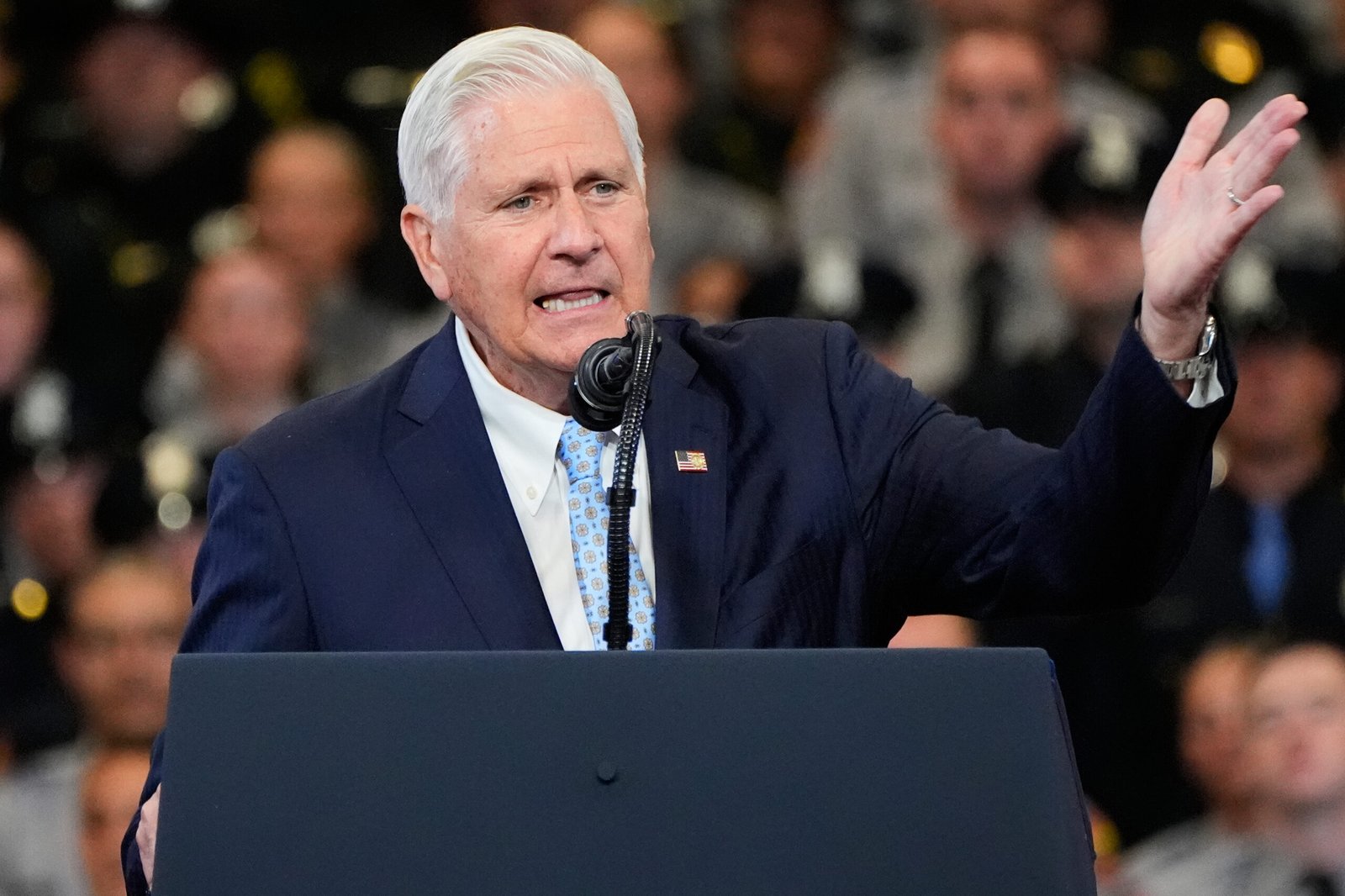
FINANCE FLAWS: Republican gubernatorial candidate Bruce Blakeman’s campaign finance disclosure reports have been plagued by inaccuracies since the spring. Copies of the campaign’s bank statements obtained by Blue Light News suggest his filings might have even more problems than previously suspected.
According to a disclosure report submitted to the state Board of Elections earlier this month, the Blakeman campaign had only $178,000 in the bank as of Sept. 28.
Yet the campaign’s checking account had a balance of $1.7 million on Sept. 28, according to TD Bank’s monthly statement.
The bank records also show dozens of transactions that are missing from his campaign finance filings.
On July 29, for example, the bank statements identified the campaign using a check with the number 1156 to make a $13,500 payment to an unspecified recipient. Yet Blakeman’s campaign finance reports do not identify any transactions that used check number 1156. It also hasn’t shown a single payment totaling $13,500 at any point over the past year.
In addition, there are instances in which the bank records show apparent contributions to the campaign that never show up in the disclosure reports. The statements show Blakeman was wired $18,000 by actress Lois Robbins on Sept. 2, for example, while the filings don’t show any transactions totaling $18,000 within two weeks of that date or any donations from Robbins. An $18,000 wire from attorney and campaign finance chair Howard Fensterman in July similarly doesn’t match anything in the disclosure reports.
Blakeman is the first gubernatorial candidate in state history to participate in the new matching funds program that lets him receive up to $3.5 million in public money. Then-Mayor Eric Adams was blocked from participating in a similar New York City program last year due to discrepancies between his bank statements and disclosure reports.
Reinvent Albany’s Kyle Kennedy said he didn’t know the cause of the discrepancies, but that it could just be due to “the timing of when things were recorded.”
But, he noted, Blakeman’s campaign “will automatically be audited by the Board of Elections after the election. … Campaign finance enforcement takes place after elections, not in real-time.”
Blakeman’s campaign didn’t respond to a request to explain the discrepancies. It has previously said its campaign finance problems are due to technical issues caused by a large number of donors.
Several of the candidate’s campaign finance disclosure reports have been repeatedly amended, often in ways that made the initial numbers wildly inaccurate. His July report showed him with $4.7 million in the bank; that was changed a week later to show his balance was $6.1 million; then in August it was changed to $4.3 million.
As Blue Light News reported earlier this month, Blakeman has received about $360,000 in donations over the contribution limit that he still needs to return. Many of the donations he has already returned have been highly unusual — one person who gave $1 in July was quickly refunded $780.76.
His campaign then said he accidentally submitted some duplicate contributions. Nearly a month later, it hasn’t amended the filing to show which transactions were real.
And as New York Focus reported, the Blakeman campaign submitted requests to receive matching funds for 2,600 donations that were ineligible for matches.
From the Capitol
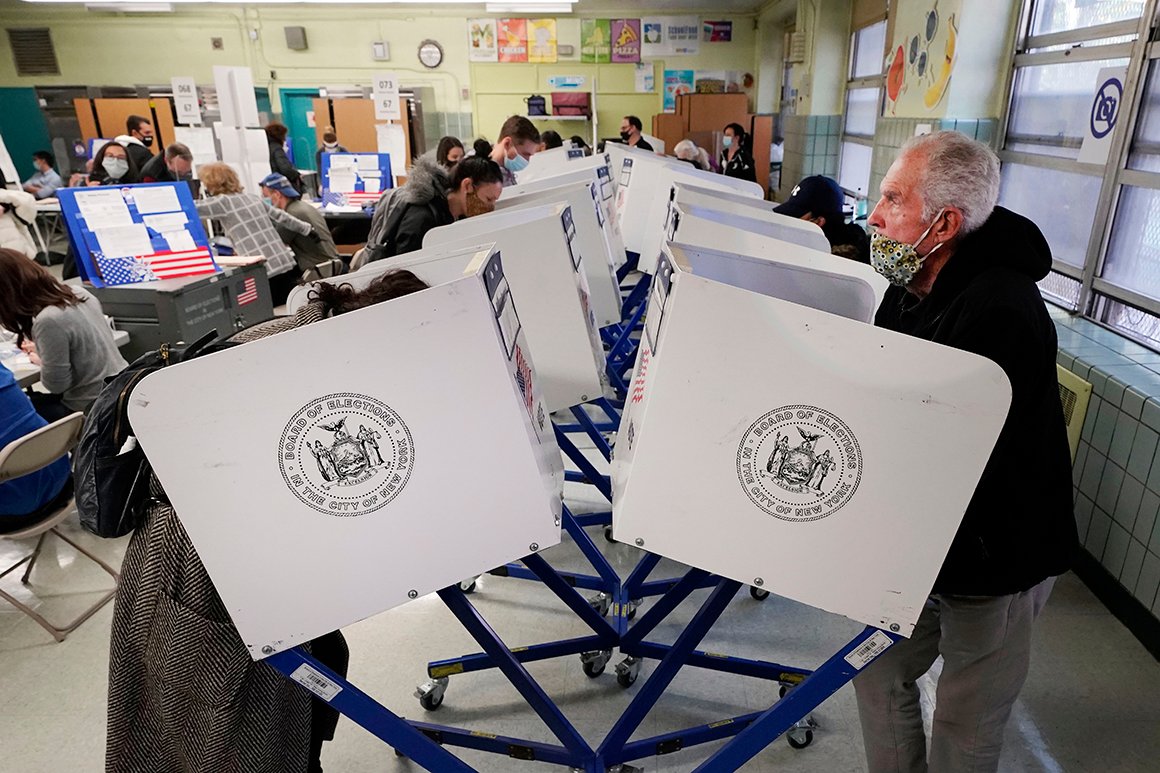
THE WEEKEND TURNOUT: Early voting turnout has skyrocketed in every corner of the state, according to unofficial tallies provided by the state Board of Elections.
On the first two days of early voting in 2022, 261,735 people cast a ballot. This weekend, that number increased to 485,205 — a jump of roughly 85 percent.
The biggest increases were in the North Country — particularly in the congressional seat being vacated by Rep. Elise Stefanik, which is now a battleground district for the first time in over a decade. Washington County’s weekend turnout was up 236 percent from four years ago. Early voting increased 196 percent in St. Lawrence County, 182 percent in Warren County, and 179 percent in Herkimer County.
The smallest gains were in the Hudson Valley. That was especially true in the district held by Democratic Rep. Pat Ryan, where early turnout was the highest in the state four years ago as Ryan won his first full term in a nail-biter. His race isn’t widely viewed as competitive this year, and the smallest increase among the state’s 62 counties was in Ulster, which was up only 41 percent relative to 2022.
There were also relatively middling gains in Erie County (up 60 percent) and Nassau County (up 64 percent). Those are the places where New York’s two gubernatorial candidates live, perhaps indicating that neither is yet the beneficiary of any outpourings of hometown pride. — Bill Mahoney
FROM THE CAMPAIGN TRAIL
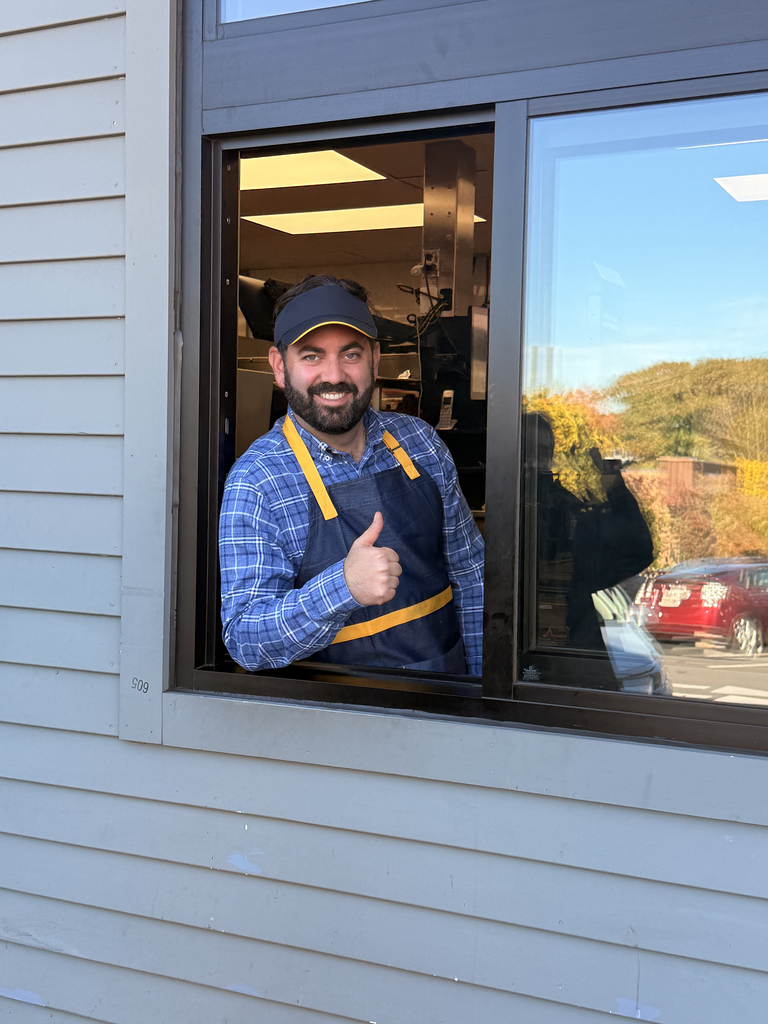
ORDER’S UP: Republican Rep. Mike Lawler spent part of this afternoon working at McDonald’s in Haverstraw – a potential backup job “if things don’t work out in November,” he said while putting on his uniform. Lawler is in the final campaign stretch in one of the country’s most closely watched congressional battlegrounds against Democrat Cait Conley.
The lawmaker spent his McDonald’s shift cooking food, handing out orders and speaking with constituents – one of whom openly admitted to voting against him before taking their food and driving off. Aside from that one outlier, customers gave Lawler a warm reception at the drive-thru window. The visit was seemingly part of an effort to make inroads in Haverstraw, a town that leans Democratic.
Lawler told Blue Light News he’s feeling confident going into the final days of his campaign, but insisted that he is an underdog in the Hudson Valley district. In the 2024 presidential election, Kamala Harris and Lawler each won the district.
“I feel very good about where we are heading on Election Day. Eight days from now, we’re going to win because I’ve done the work,” Lawler said in an interview. “I’ve delivered for my district, and the people here know me. I’m from here; I’ve lived here my whole life, I know the community..”
And for those wondering about Lawler’s go-to McDonald’s order: double quarter-pounder with cheese, a Coke and a four-piece McNugget. — Katelyn Cordero
STUMPING SPRINT: Fresh off a weekend of enthusiastic campaigning for Gov. Kathy Hochul, the mayor addressed reporters at a press conference this morning.
He stuck to his rhetoric touting the governor as a champion for affordable child care and lampooning her GOP foe Bruce Blakeman as a Trump puppet.
The mayor was also pressed about whether he expects something in return for all the campaigning he’s been doing for Hochul — such as increased taxes on the rich, a top goal for Mamdani and his democratic socialist allies in the state Legislature.
“I’m expecting a continuation of a positive and productive working relationship with the governor,” he said. “I’m excited for that relationship to continue. It’s been one that’s delivered for working class New Yorkers, and I’m confident it’s going to keep delivering.”
It’s far from an explicit commitment, but it suggests he’ll continue pushing Hochul for tax hikes should she win reelection — something City Council Speaker Julie Menin told POLITICO she would support to bankroll child care programs earlier this month.
Mamdani also repeatedly mentioned the importance of showing New Yorkers that a mayor and a governor can have a productive working relationship — an apparent dig at the storied feud between former Mayor Bill de Blasio and former Governor Andrew Cuomo.
“New Yorkers across the five boroughs are excited about us finally working together, where they haven’t seen mayors and governors do that often in the past to be able to deliver on common sense things,” he said. — Molly Reinmann
FROM CITY HALL
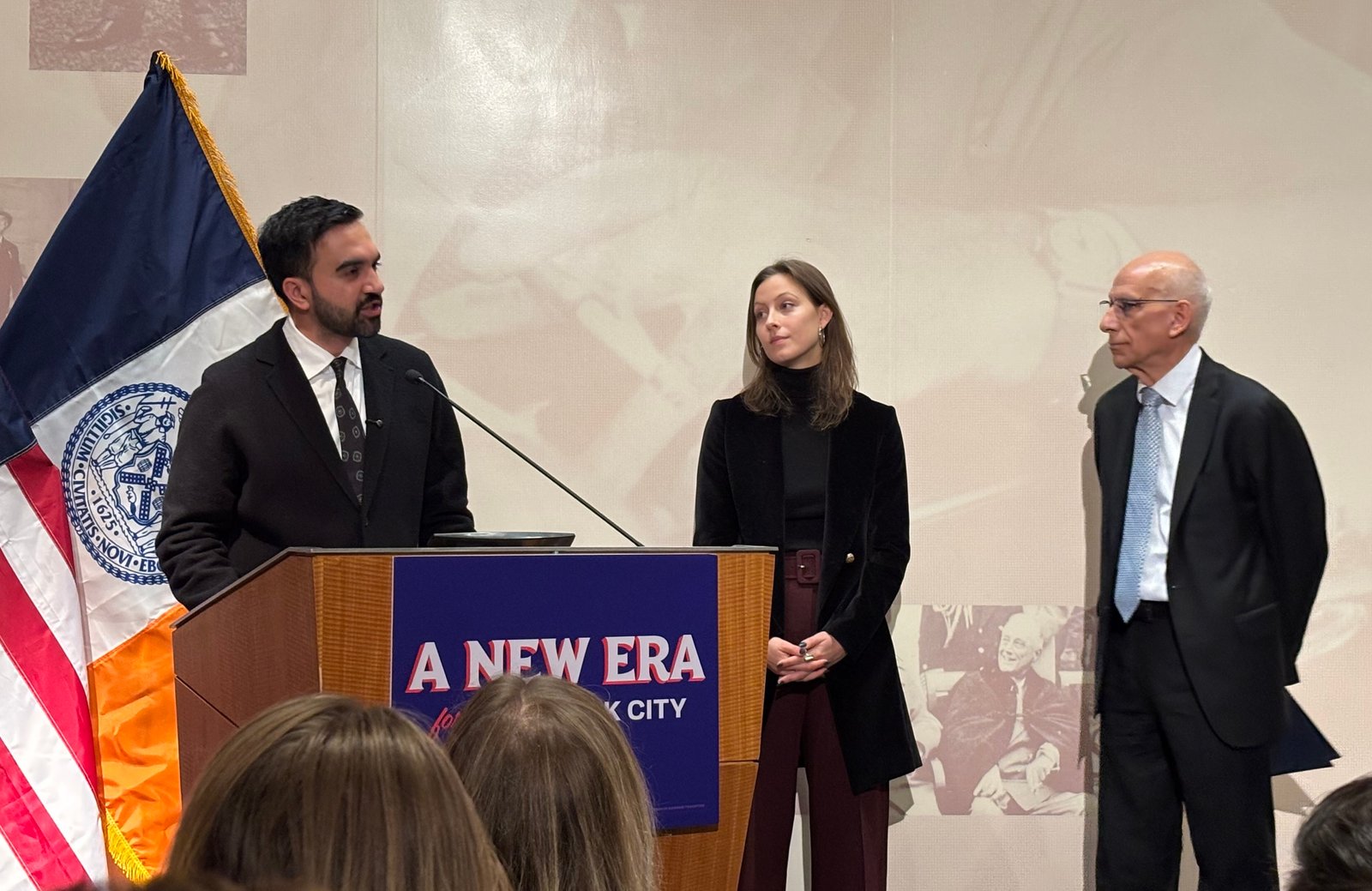
GRAND PLANS: Mamdani’s chief of staff Elle Bisgaard-Church laid out the democratic socialist administration’s governing philosophy today — including its opposition to means-testing for government programs.
“We look especially to universal social programs, facilitating forms of collective ownership, supporting the growth of unions. In short, creating shared economic security and stability through material programs,” Bisgaard-Church said at an event on Mamdani’s affordability agenda hosted by the New York City Policy Forum, a left-leaning research and publishing network. “On the contrary, means-tested programs segregate and encumber people.”
She pointed to other periods in the city’s history that saw “rich public institutions that could compete with the private sector,” citing NYCHA, the MTA and CUNY. Public housing, in particular, has seen significant deterioration in recent decades amid federal disinvestment. Reversing that trajectory is one of the most pressing issues Mamdani faces as mayor.
“Today we are governed by rules of austerity and face a withered welfare regime, means-tested policies, decayed public sector, and weakened public institutions,” Bisgaard-Church continued. “These are the political realities our administration wants to overturn, and we know that tackling the crushing cost of living is again key to doing so.”
The event drew other top Mamdani officials including Deputy Mayor for Housing and Planning Leila Bozorg, Economic Development Corporation Chair Lina Khan, and Consumer and Worker Protection Commissioner Sam Levine. — Janaki Chadha
IN OTHER NEWS
— HOMELESSNESS: Mamdani’s early efforts to address a ballooning homelessness problem in the city have largely failed, community leaders allege. (The Wall Street Journal)
— SUNNYSIDE YARD: Housing experts weighed in on the outlandishly high cost of Mamdani and Trump’s proposed development at Sunnyside Yard. (The City Reporter)
— BK DEMS: There are four state legislative seats Democrats are looking to flip in southern Brooklyn this midterm cycle, a fact that has largely been overshadowed by the party’s drama-packed leadership succession saga. (City & State)
Missed this morning’s New York Playbook? We forgive you. Read it here.
- Capitol agenda: Democrats face reckoning on trans issues
- Trump is still the center of the GOP money universe

- How Big Tech and Abbott made Texas the ‘epicenter’ of data centers
- Conservative climate movement faces a blue wave wipeout
- Democrats’ affordability message collides with calls to defend transgender rights
- Trump’s fundraising dominance is masking a long-term problem for Republicans
- Judge bars Trump admin from further tree-felling, closures, at golf course
- Ralph Norman under pressure from fellow South Carolina Republicans to campaign for Darline Graham
- Blakeman’s bank statements don’t match his disclosure reports
- House Republicans set leadership elections
-

 Politics2 years ago
Former ‘Squad’ members launching ‘Bowman and Bush’ YouTube show
-
Uncategorized2 years ago
Bob Good to step down as Freedom Caucus chair this week
-

 The Josh Fourrier Show2 years ago
DOOMSDAY: Trump won, now what?
-

 The Dictatorship2 years ago
Pete Hegseth’s tenure at the Pentagon goes from bad to worse
-

 Politics2 years ago
Former Kentucky AG Daniel Cameron launches Senate bid
-
 Politics1 year ago
John Legend advises Trump to drop the ‘dictator s‑‑‑’ if he wants Nobel Peace Prize
-

 The Dictatorship2 years ago
Luigi Mangione acknowledges public support in first official statement since arrest
-

 Politics2 years ago
Blue Light News’s Editorial Director Ryan Hutchins speaks at Blue Light News’s 2025 Governors Summit