
Congress
How healthy are Donald Trump’s nominees?


President-elect Donald Trump’s top nominees are about to go under the Senate spotlight.
Hearings kick off on Tuesday, and while some of Trump’s most controversial picks appear to be on track for confirmation, others remain short of the support they need, according to conversations with a half-dozen GOP senators and aides.
This week’s public questioning could be decisive: “Right now, I think it looks like smooth sailing, but sometimes unexpected things happen,” Sen. John Cornyn (R-Texas) said.
With a 53-seat majority and incoming Vice President JD Vance available to break ties, the nominees could be in trouble if they lose support from more than three GOP senators. Several Republicans, whose comments are being closely watched by their colleagues, have been careful to stay publicly neutral on some.
But Republicans are also under fierce public pressure to move quickly toward confirmations, with Trump prepared to lash out publicly at any GOP lawmaker who waffles and some allies threatening potential primary challenges.
With that in mind, here’s a checkup on 18 of Trump’s most prominent nominees:
Pete Hegseth, Secretary of Defense
Tuesday, Jan. 14, 9:30 a.m., Senate Armed Services Committee
We might have had to make a “death watch” category a month ago, when Hegseth was swamped with allegations of sexual assault and alcohol abuse. But he has managed to resuscitate his chances at confirmation, denying any wrongdoing and riding a MAGA pressure campaign back into contention. And this week’s hearing in the Armed Services Committee could make or break whether he ultimately gets confirmed. The public grilling is guaranteed to revive many of the ugly headlines seen after Hegseth was nominated, but Trump has stood by him and his allies have made clear they will go after GOP senators who go wobbly. Senate Majority Leader John Thune told Fox News’ Laura Ingraham last week that Hegseth “has a path” to confirmation — still far from a guarantee.
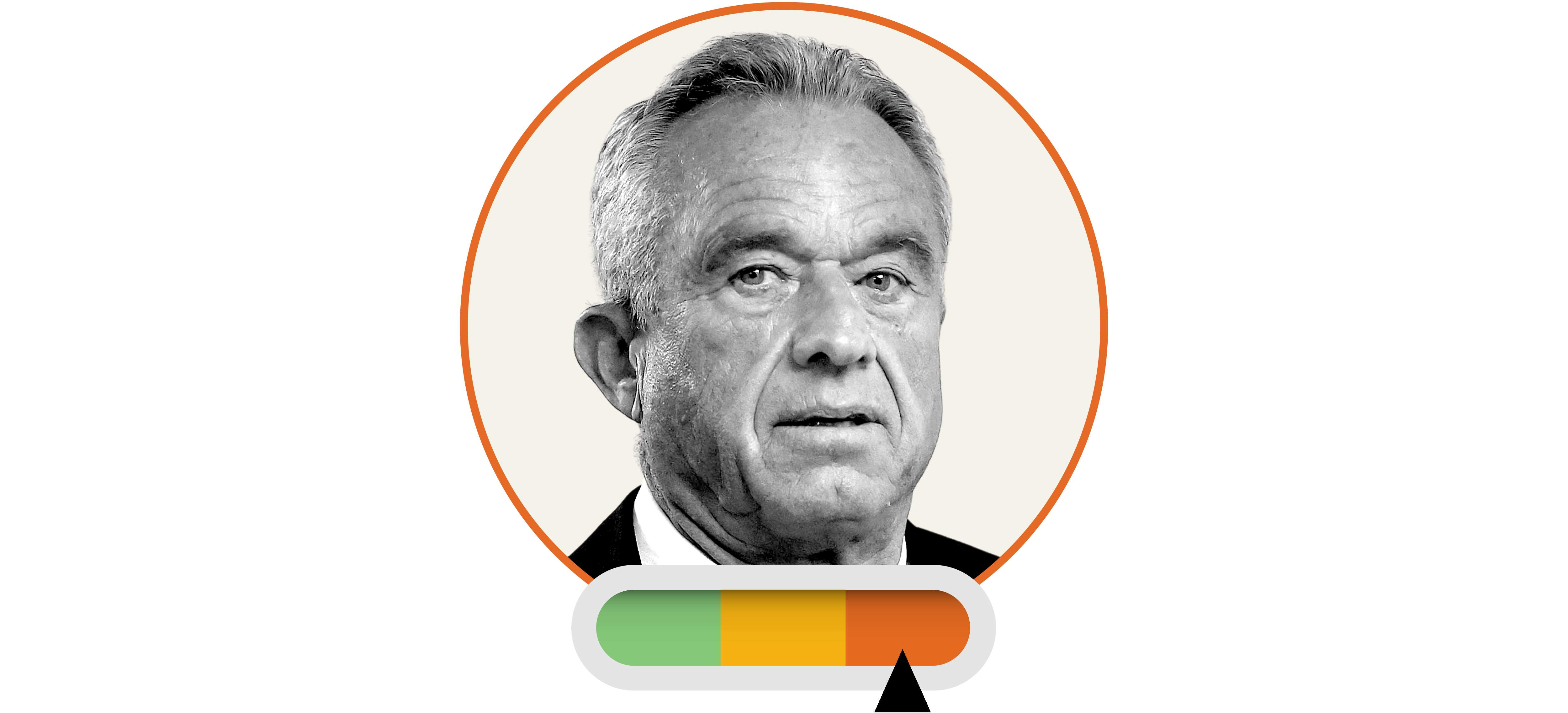
Robert F. Kennedy Jr., Secretary of Health and Human Services
Date TBA, Senate Finance and HELP Committees
Trump’s most endangered pick is the former Democrat with controversial views about, well, just about everything. Senate HELP Chair Bill Cassidy (R-La.) gave a less-than-enthusiastic readout of his recent meeting with Kennedy last week, saying that they had a “frank” conversation but declining to say if he would support Trump’s pick. His skeptical stance on vaccinations has garnered skepticism, and in some cases criticism, from Cassidy, as well as Sens. Susan Collins (R-Maine), Lisa Murkowski (R-Alaska) and Mitch McConnell (R-Ky.). Those four senators alone would be enough to sink Kennedy’s nomination on the floor; Collins and Murkowski also sit on HELP with Cassidy. Also problematic: his previous comments supporting abortion, which have irked anti-abortion groups. One key question: Can Kennedy win over any Democrats?
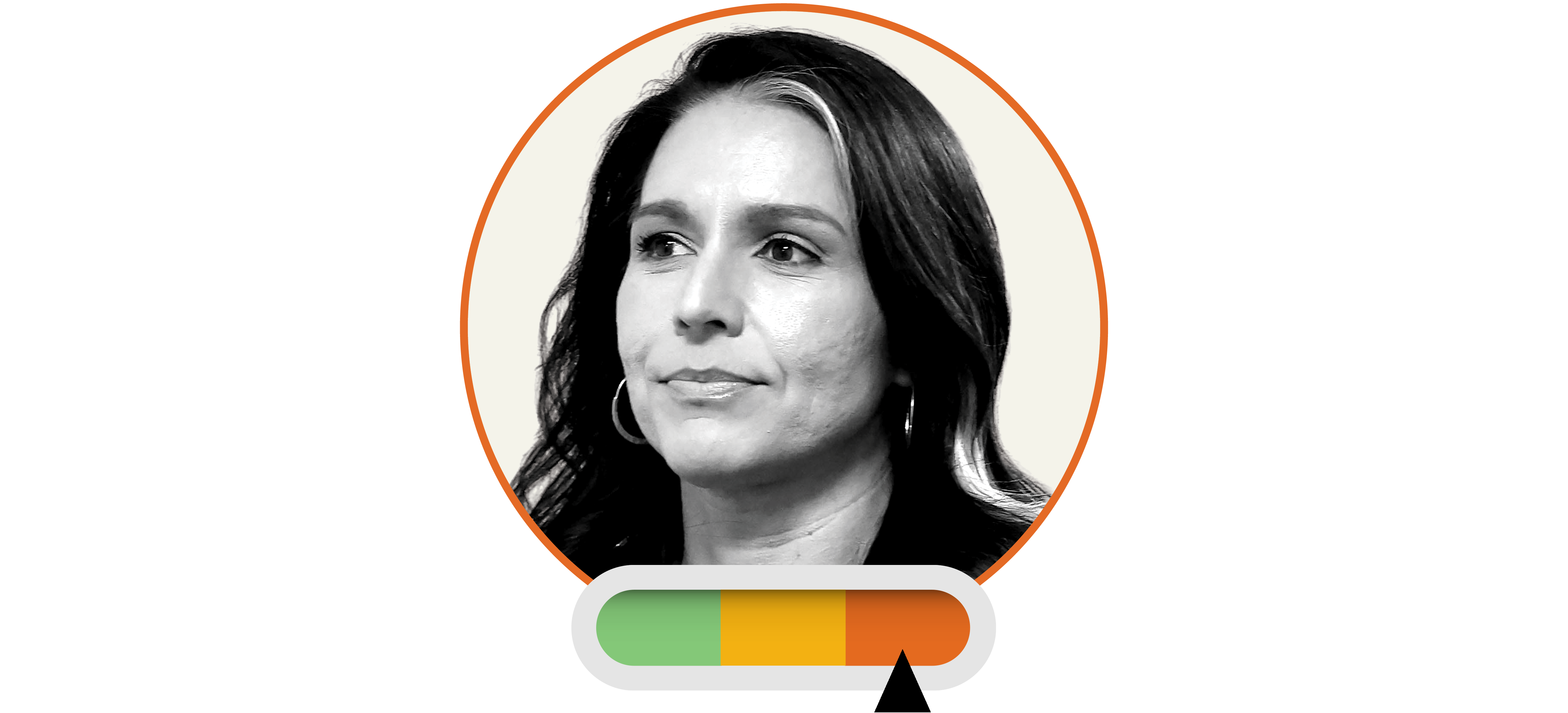
Tulsi Gabbard, Director of National Intelligence
DATE TBA, Senate Intelligence Committee
Early predictions were that Gabbard, an outspoken critic of the U.S. national security establishment, would have trouble gaining confirmation to the nation’s top intelligence role. But recently GOP senators have spoken positively about their private meetings with her, moving her forthcoming nomination out of DOA territory. That doesn’t mean she is safe: Republicans privately warn that Gabbard’s fate will likely be decided by her hearing before the Senate Intelligence Committee, which will include a closed-door session. And Gabbard’s chances might not be entirely under her control: “Her chances decrease as Hegseth’s improve,” said a person familiar with committee discussions about her nomination. “Republicans are concerned about Gabbard but don’t want to torpedo too many of Trump’s nominees.”
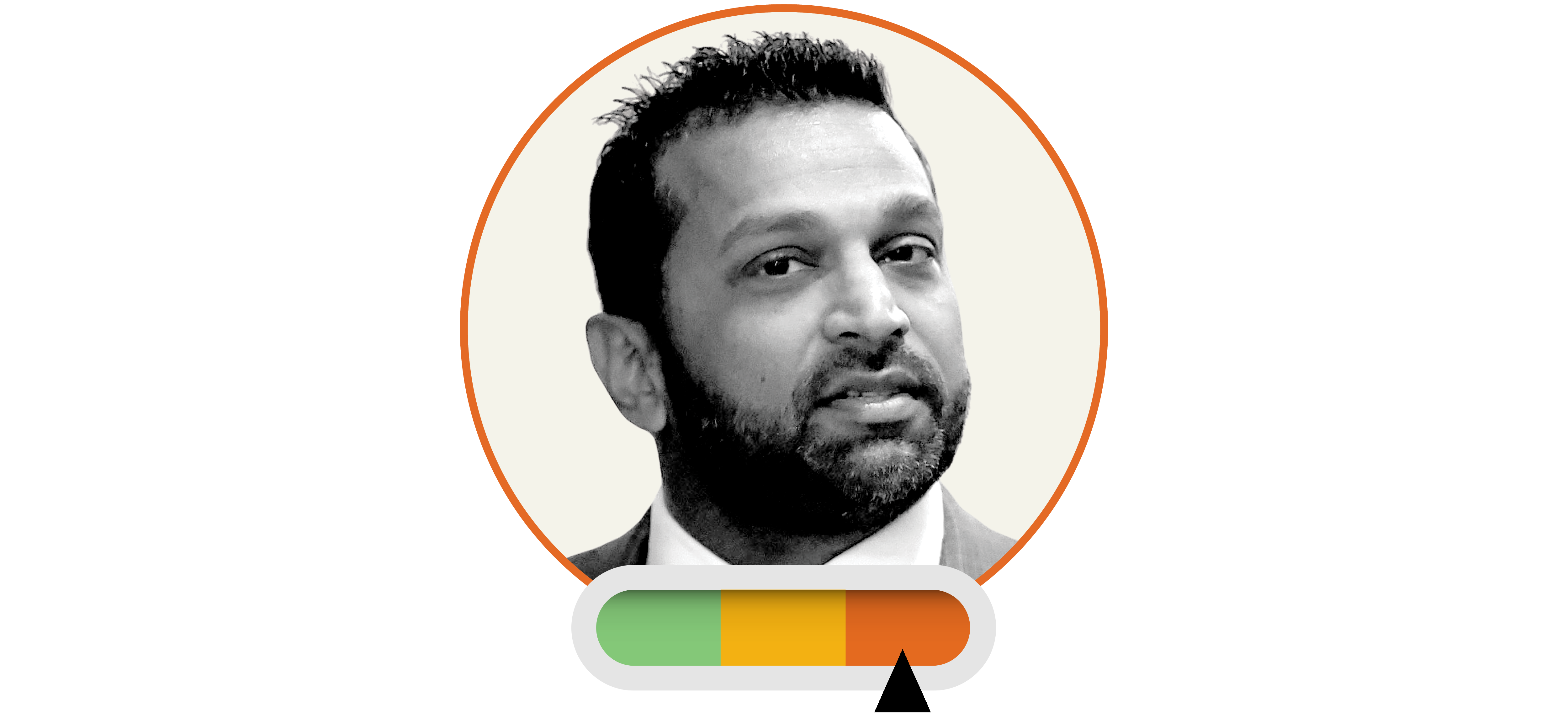
Kash Patel, FBI Director
DATE TBA, Senate Judiciary Committee
Trump’s pick of Patel to lead the FBI — effectively ousting Director Chris Wray before the end of his 10-year term — sent shockwaves through Washington, including in the Capitol where some Senate Republicans were hoping he would pick former Rep. Mike Rogers (R-Mich.). But since then Patel has managed to assuage his GOP skeptics, or at least keep them on the fence, after a series of one-on-one meetings. Other top Republicans, including members of leadership, have predicted that he will be confirmed or downplayed concerns that he would use the FBI to carry out a vendetta against Trump’s political enemies. Expect Patel to face questions about that very topic during his Senate Judiciary Committee hearing.
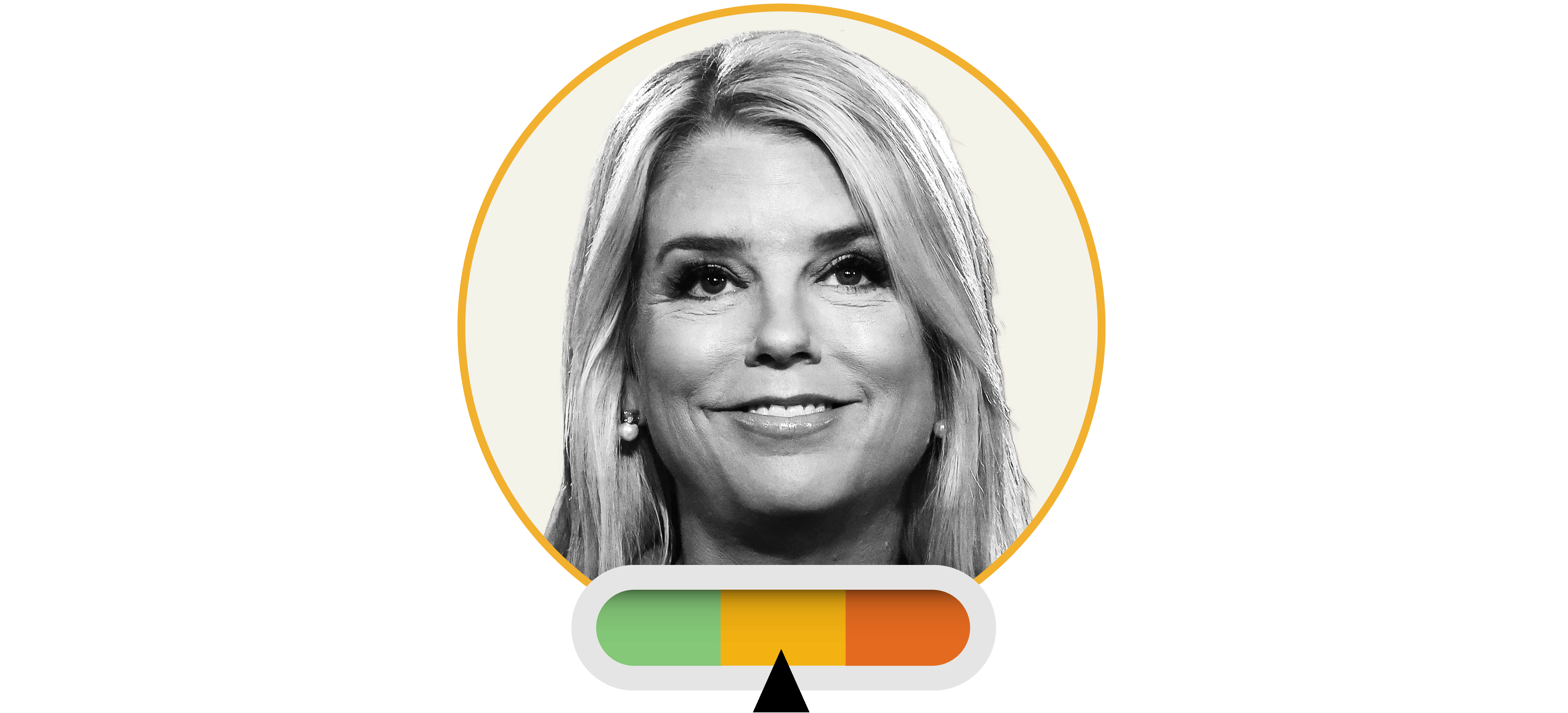
Pam Bondi, Attorney General
Wednesday, Jan. 15, 9:30 a.m., Senate Judiciary Committee
A former Florida attorney general, Bondi’s credentials have resonated far better with Senate Republicans than Trump’s original pick, former Rep. Matt Gaetz (R-Fla.). Picked for the gig just hours after Gaetz dropped out, she has won rave reviews from the Senate GOP ever since. That makes her chances of confirmation seem particularly strong. But it’s unlikely Bondi picks up much Democratic support, if any. Sen. Dick Durbin (D-Ill.), the top Judiciary Democrat, met with Bondi earlier this month, but came out with a scathing statement that doubted her suitability for the job. Bondi has been closely aligned with Trump for years and served as his personal attorney following his loss in the 2020 election. That’s led to concerns among Democrats on whether Bondi would separate her role as attorney general from her fealty to the president.

Kristi Noem, Homeland Security Secretary
Wednesday, Jan. 15, 9 a.m., Senate Homeland Security and Governmental Affairs Committee
In Noem, Trump is seeking to put a fierce supporter in charge of carrying out his sweeping plan to crack down on immigration. Noem found herself at the center of a days-long controversy last year over an excerpt from her autobiography in which she wrote about fatally shooting her dog Cricket. And Democrats have also raised red flags over Trump’s border and immigration plans, which were at the center of his battles with his congress during his first administration. Yet Noem’s nomination has largely flown under the radar on Capitol Hill as she’s quietly met with senators ahead of her hearing.
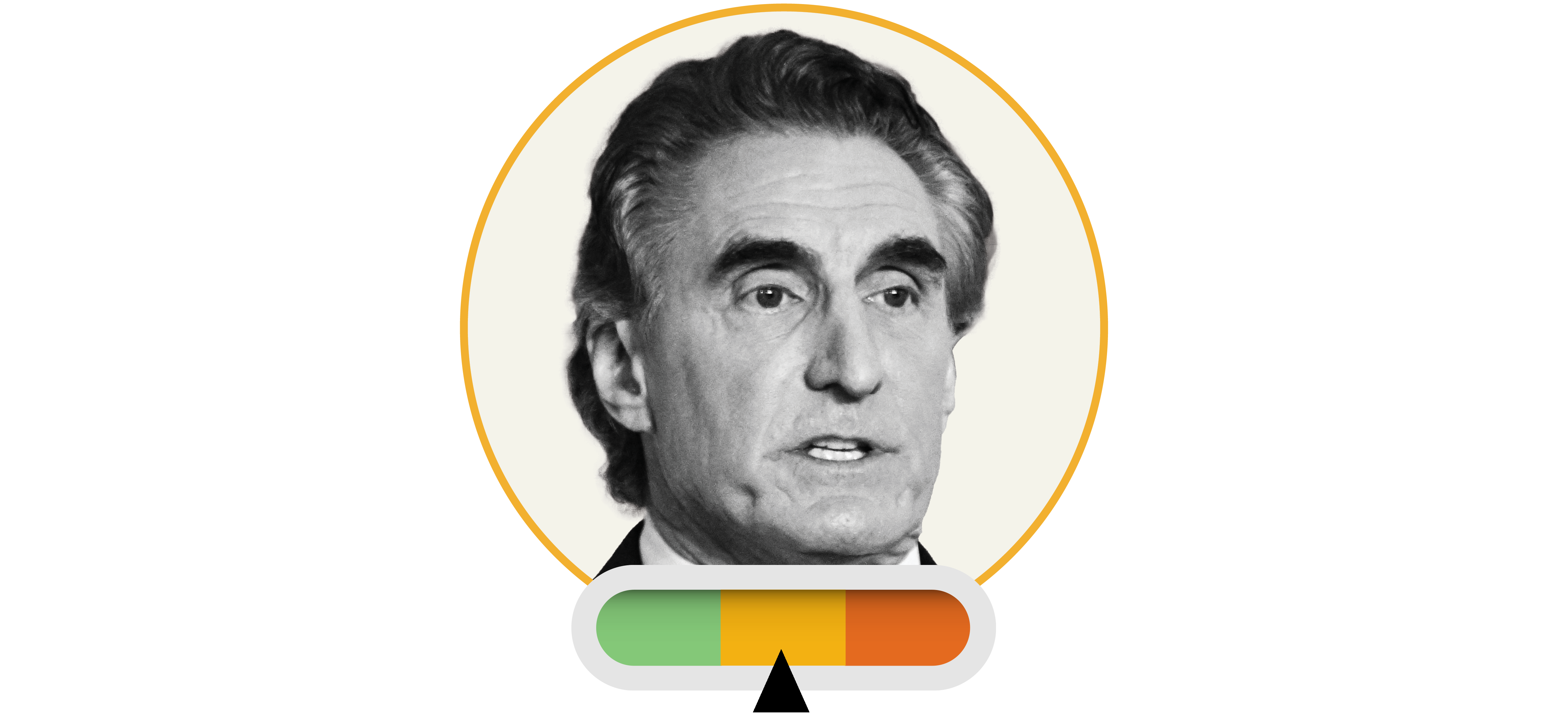
Doug Burgum, Interior Secretary
Thursday, Jan. 16, 10 A.M., Senate Energy and Natural Resources Committee
The former North Dakota governor is expected to easily be confirmed, potentially even with bipartisan support. Yet his nomination became the center of a partisan committee clash last week that could inject tensions into his hearing this week. New Mexico Sen. Martin Heinrich, the Energy panel’s top Democrat, accused Chair Mike Lee (R-Utah) of scheduling a hearing before the committee had received all of its paperwork; Republicans said they expected to have the documentation in time for the hearing. Expect Democrats to grill Burgum on Trump’s vows to undo Biden clean energy policies.

Lori Chavez-DeRemer, Labor Secretary
Date TBA, Senate HELP Committee
Chavez-DeRemer might be the closest Trump gets to reaching across the aisle: Though she’s a former Republican House member, she was also a co-sponsor of the Protecting the Right to Organize Act last Congress, organized labor’s top legislative priority. Teamsters President Sean O’Brien is among those supporting Chavez-DeRemer’s nomination. But while there are a few semi-labor-friendly Senate Republicans, they are rare. Most are firmly opposed to expanding union rights and are looking for Trump’s Labor secretary to roll back Biden administration regulations. Still, there’s little sign they’ll put up roadblocks here, even with some in the business community fidgeting over her nomination. She might even pick up a few Democrats along the way.

Sean Duffy, Transportation Secretary
Wednesday, Jan. 15, 10 a.m., Senate Commerce, Science and Transportation Committee
Duffy — a former House Republican from Wisconsin, Fox Business personality and “Real World” alumnus — is expected to be easily confirmed. Some Democrats have already indicated that they will support him, absent a major misstep. Duffy beat out two other members of Congress who were also viewed as in the running: Rep. Sam Graves (R-Mo.) and former Rep. Garret Graves (R-La.). He’ll take over the department that is dealing with a spate of recent near-collisions on runways plus aging aviation equipment.
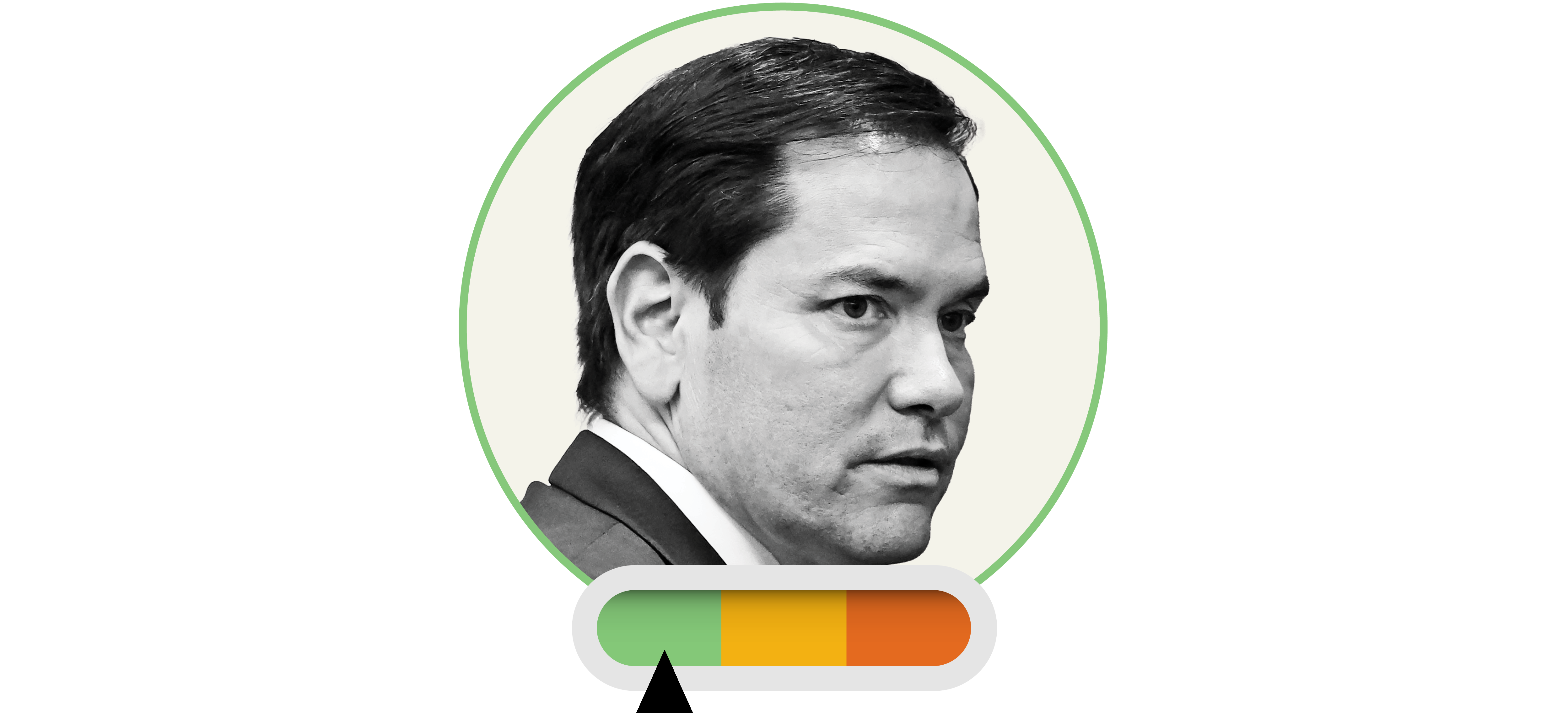
Marco Rubio, Secretary of State
Wednesday, Jan. 15, 10 a.m., Senate Foreign Relations Committee
The Florida senator is arguably in the best shape for confirmation of any of Trump’s nominees. Senators already know him. As the former ranking member on the Senate Intelligence Committee and a longtime Foreign Relations member, his international affairs chops are hard to assail. And he has solid relationships with members on both sides of the aisle, with a number of Senate Democrats already pledging to support his nomination on the floor. If Democrats give Trump any Day One confirmations, expect Rubio to be among them.
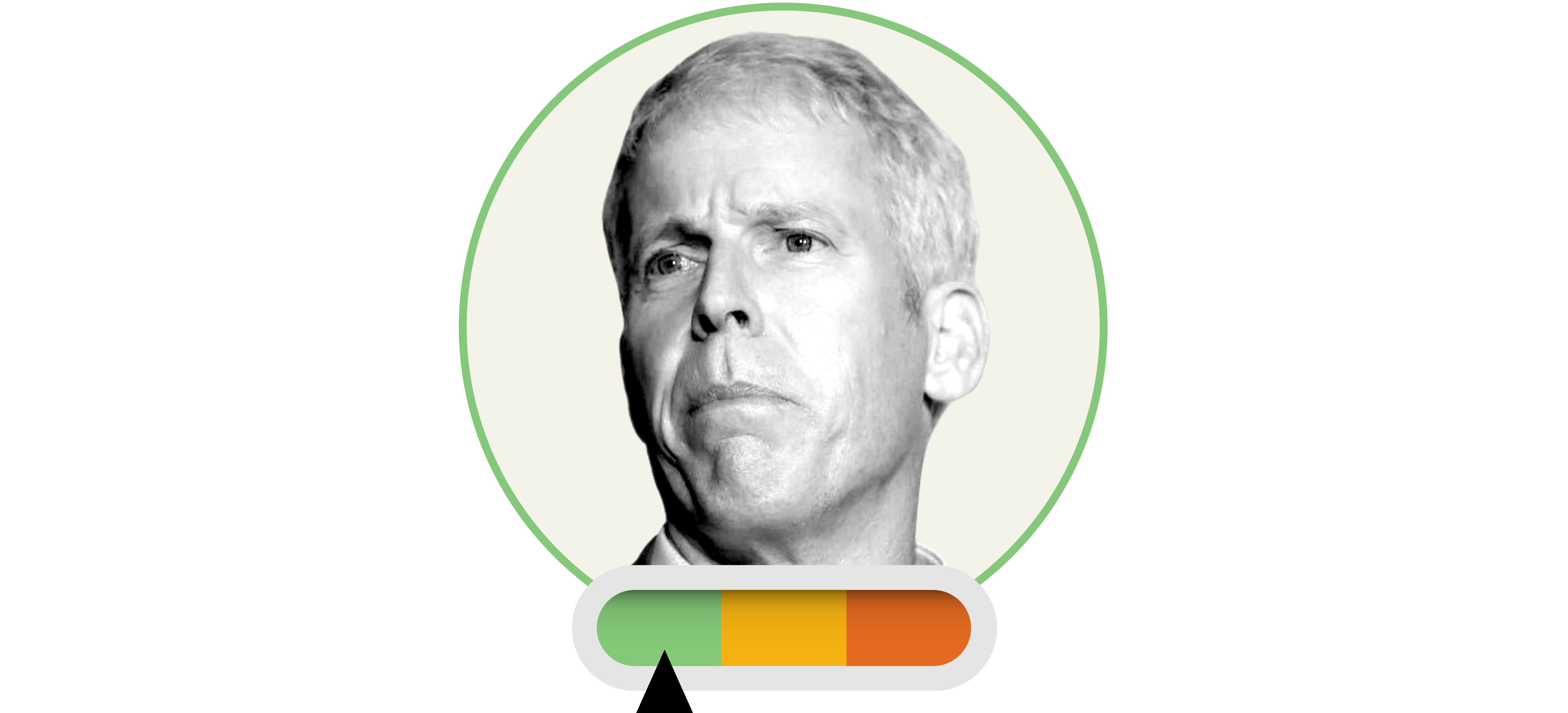
Chris Wright, Energy Secretary
Wednesday, Jan. 15, 10 a.m., Senate Energy and Natural Resources Committee
Wright, a longtime oil industry CEO with skeptical views on climate change, will be hard to swallow for Democrats but appears perfectly fine to Republicans. Wright’s policy preferences are well in line with the president-elect’s: He’s been critical of efforts to curb greenhouse gas emissions and transition to cleaner energy sources. Members of the Senate GOP have lauded the pick, including members of leadership, pointing to a speedy confirmation.

Scott Bessent, Treasury Secretary
Thursday, Jan. 16, 10:30 a.m., Senate Finance Committee
Bessent has been coasting through his meetings with lawmakers and staff — teeing up a swift path to confirmation for the longtime hedge fund manager. Republicans have quickly coalesced behind him, while moderate Democrats haven’t totally ruled out supporting him on the floor. Bessent has been a Wall Street ally to Trump and joined the president-elect on the campaign trail at multiple points this cycle to talk economic policy. Bessent worked closely in the past with Democratic megadonor George Soros, but that doesn’t appear to be weighing him down among conservatives. Senate Finance Chair Mike Crapo (R-Idaho) has committed to moving Bessent’s nomination quickly.
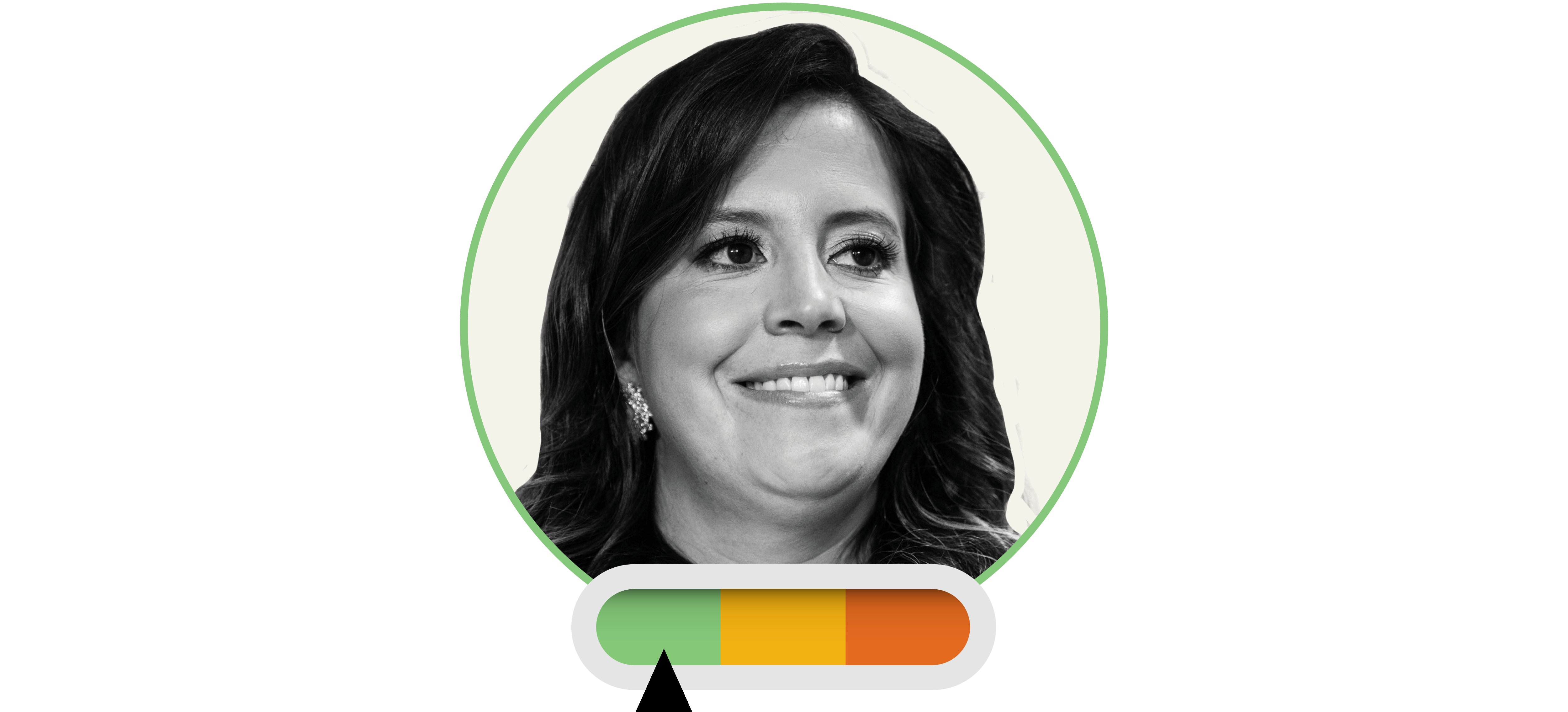
Elise Stefanik, United Nations Ambassador
Thursday, Jan. 16, 10 a.m., Senate Foreign Relations Committee
The New York congresswoman, once among Trump’s most ardent allies on Capitol Hill, appears to be on a glide path to confirmation. Though Stefanik frequently tangled with Democrats during her time in Congress, New Hampshire Sen. Jeanne Shaheen, the top Democrat on the Foreign Relations Committee, offered a politely worded statement after their meeting. Republicans view Stefanik as a pick who could potentially be confirmed on Jan. 20 — though that would likely require buy-in from every Democrat to speed up the schedule.
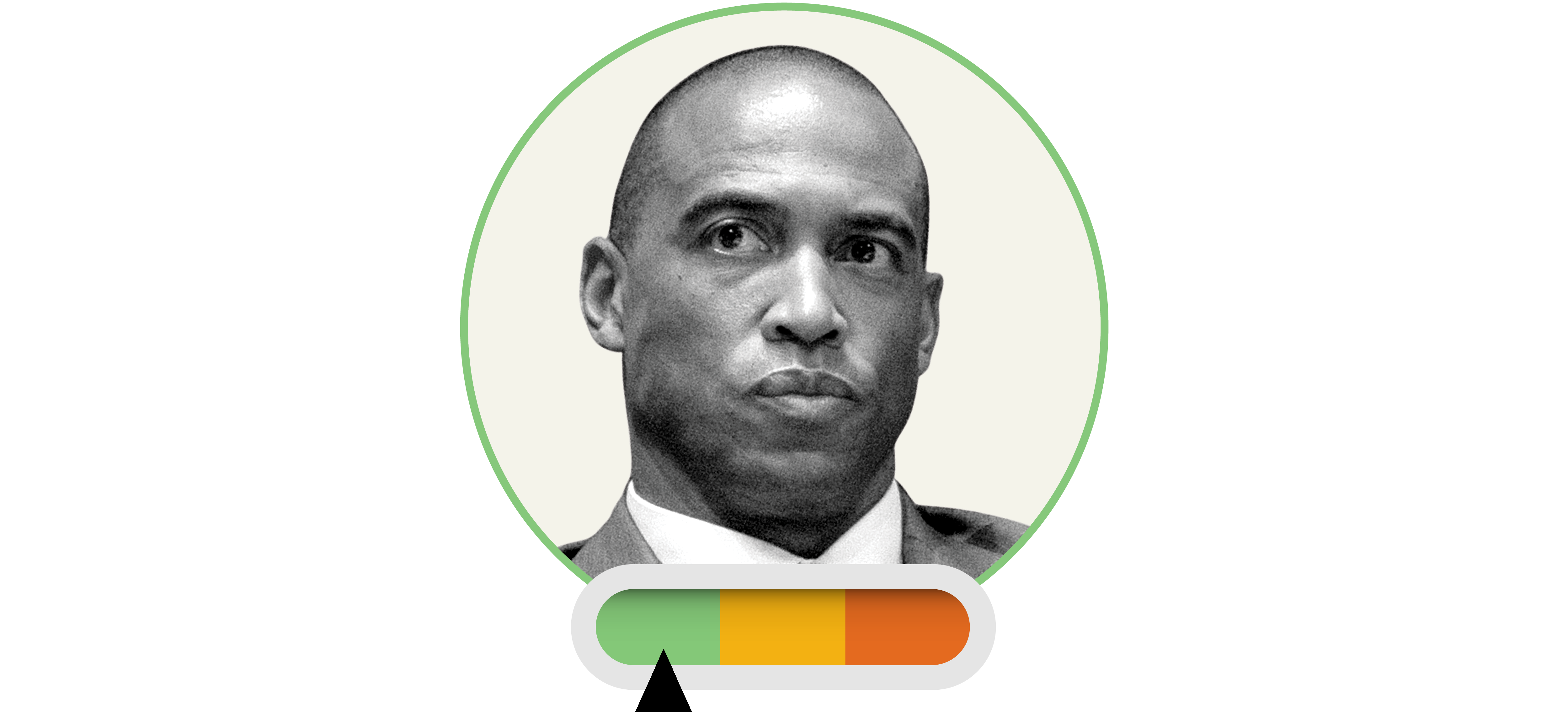
Scott Turner, Housing and Urban Development Secretary
Thursday, Jan. 16, 10 a.m., Senate Banking, Housing and Urban Affairs Committee
Turner is a relative cipher among Trump’s slate of Cabinet nominees: He previously headed up the White House Opportunity and Revitalization Council during Trump’s first term, working with so-called “opportunity zone” tax incentives. But that post did not require Senate confirmation for the former NFL player, who now works as a motivational speaker and as “chief visionary officer” for a Texas-based housing developer. He’ll face tough Democratic questions over Trump’s plans to Biden initiatives at HUD, but expect little GOP skepticism.
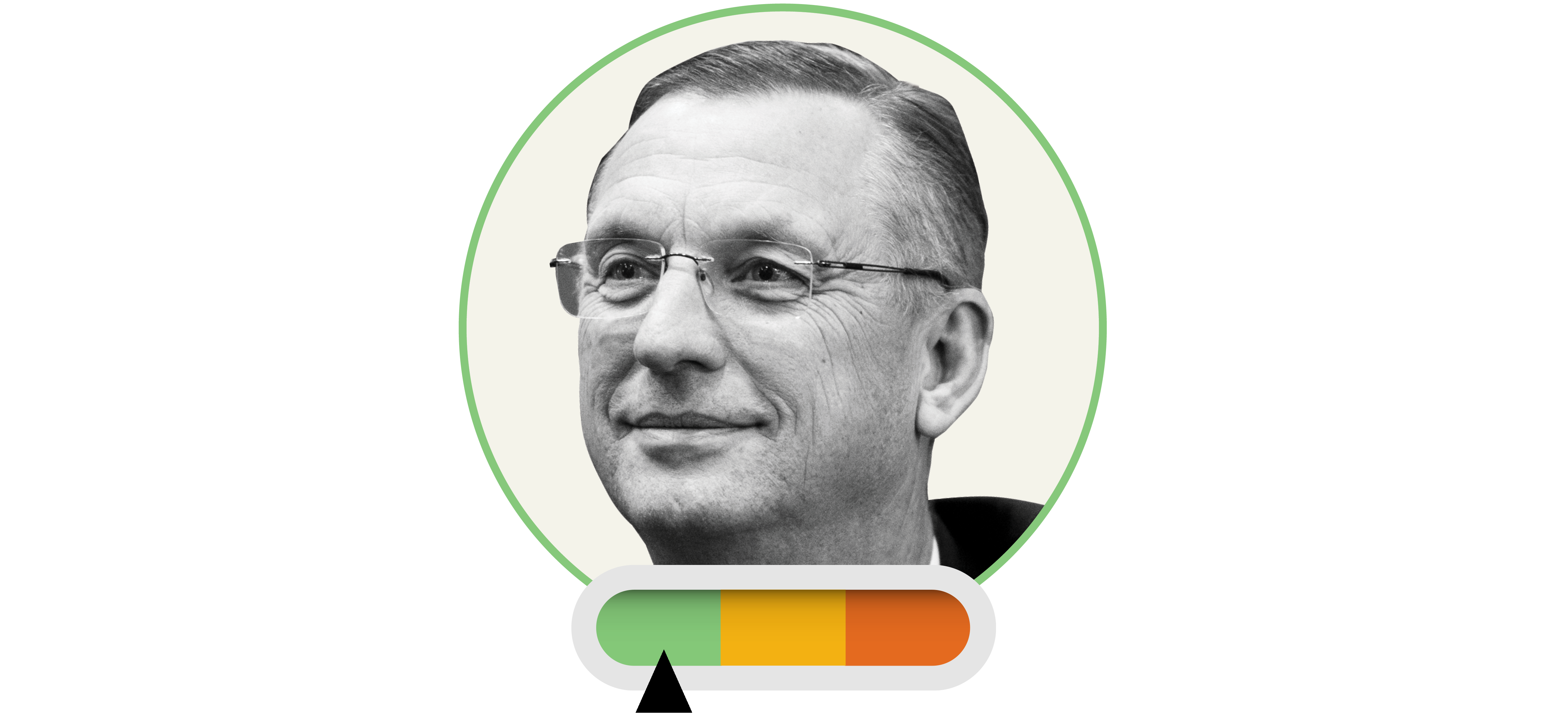
Doug Collins, Veterans Affairs Secretary
Date TBA, Senate Veterans Affairs Committee
Trump’s pick of the former House Republican from Georgia would put a long-time loyalist — one who helped lead the opposition to his 2019 impeachment in the House Judiciary Committee — in charge of the sprawling, politically sensitive VA. While Collins was viewed by many as a surprise pick, his nomination has not generated major partisan fireworks, and he’s expected to easily be confirmed. Still, expect Collins to field questions from Democrats on whether he has plans to further privatize the department.
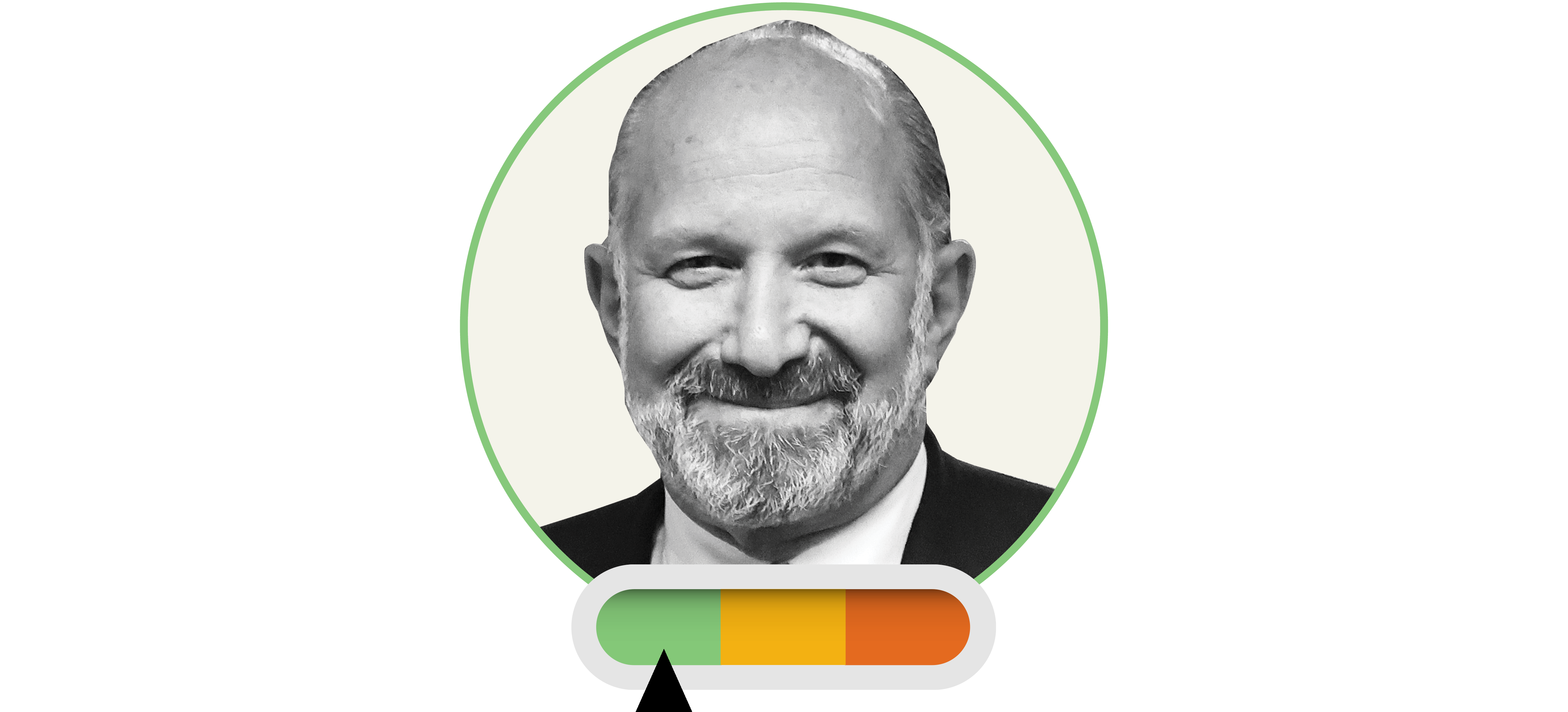
Howard Lutnick, Commerce Secretary
Date TBA, Senate Commerce, Science and Transportation Committee
Lutnick parlayed his role as transition co-chair into a Cabinet nomination, and Trump has already tasked the billionaire megadonor with carrying out some commerce-related talks — including meeting with Canadian representatives to discuss upcoming trade negotiations, with Trump’s tariff threats weighing heavily on the North American alliance. There’s been little sign of pushback from Republicans, and he’s picked up a few nice words, at least, from Senate Minority Leader Chuck Schumer, who met with the nominee last month. Schumer said in a statement that he’s known the fellow New Yorker for years and that “he’s an intelligent and capable man.”
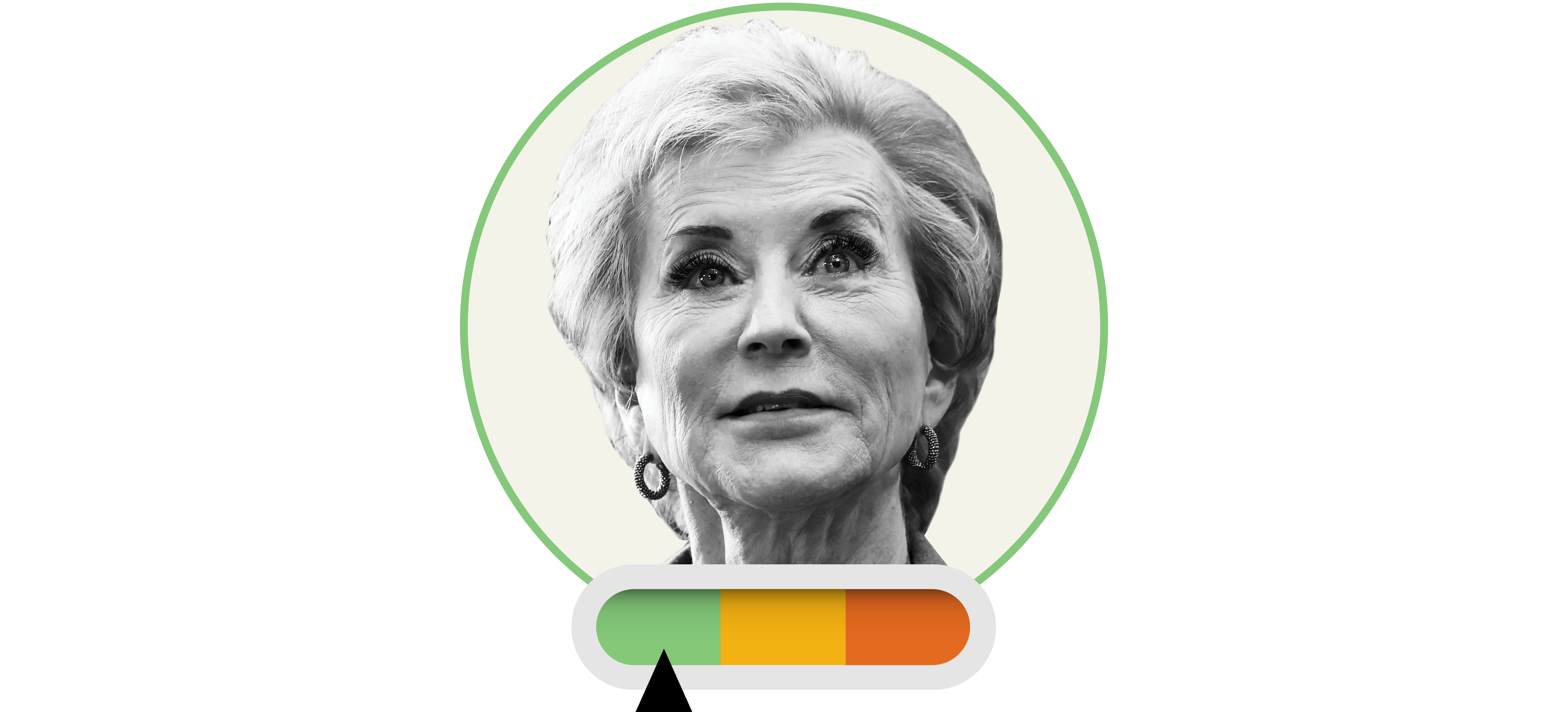
Linda McMahon, Education Secretary
Date TBA, Senate HELP Committee
McMahon has been making rounds with committee staff and members since late last year. Her credentials for the job are more about her status as a longtime Trump loyalist and current co-chair of his transition team than her life experience, though she did serve for a year on the Connecticut Board of Education. That said, McMahon is likely to easily slide toward confirmation. The former professional wrestling executive previously served as head of the Small Business Administration during Trump’s first term, meaning most Republican senators are comfortable with her, even if her views on education are somewhat opaque.

Brooke Rollins, Agriculture Secretary
Date TBA, Senate Agriculture Committee
Rollins is expected to easily gain confirmation, with support from several Democrats likely. The bipartisan backing for Rollins had made her a potential Day One confirmation, which requires buy-in from all 100 senators to move quickly, but the schedule for moving her forthcoming nomination has hit paperwork delays. Her hearing hasn’t yet been scheduled, and Republicans say they expect Chair John Boozman (R-Ark.) to give seven days’ notice before holding one.
Jasper Goodman, Meredith Lee Hill, Eleanor Mueller and John Sakellariadis contributed to this report.


President Donald Trump announced the next chief for the White House’s Capitol Hill strategy on Saturday night, picking Katie Bailey, a former Republican Hill staffer.
Bailey will replace James Braid in the role of director of the Office of Legislative Affairs, which oversees nominations and confirmations of Cabinet roles, relationships on Capitol Hill and the White House’s legislative priorities. Braid left the job in September.
Bailey has served as deputy director of the Office of Legislative Affairs since the beginning of the summer. She formerly worked for Republican Sen. Mike Braun of Indiana and former Sen. Tom Coburn of Oklahoma, and served in roles on multiple committees.
Trump commended Bailey for assisting with the confirmations of Homeland Security Secretary Markwayne Mullin, Director of National Intelligence Jay Clayton and Labor Secretary Keith Sonderling, saying she has “already delivered strong results.”
“After previously working on Capitol Hill, Katie understands how the Executive and Legislative Branches of Government can most effectively work together to achieve Great Success for the American People,” the president wrote in a social media post Saturday night.
Bailey takes over the role ahead of the midterm elections, which could alter the power dynamics in Washington substantially if Democrats seize control of either chamber of Congress. The result, which the White House has begun preparing for, could include congressional subpoenas, depositions and investigations, as happened during the latter half of Trump’s first term in office, when Democrats flipped the House.
Trump’s approval continues to sag amid soaring gas and diesel prices driven by the war with Iran, leaving Democrats bullish that the map will continue to grow for them.
SYRACUSE, New York — President Donald Trump came to New York on Friday to help a Republican win an uphill race for governor. But his visit was also a reminder of the complicated role he plays in his party’s fight to keep control of Congress.
Trump rallied alongside GOP gubernatorial nominee Bruce Blakeman, calling on New Yorkers to fire Gov. Kathy Hochul and, referring to the state attorney general, “her totally corrupt sidekick, Letitia ‘Peekaboo’ James.”
“Your city and state are dirty, filthy places, and everybody wants to leave,” he told some 5,000 attendees at a convention center in downtown Syracuse — which, he noted, was “a short distance from the beautiful shores of Lake America.”
“You gotta get your act together, and I tell you what, Bruce Blakeman will get your act together,” Trump said.
For Republicans, the president’s appearance underscored a political dilemma that extends beyond New York: Even as Trump increasingly appears to be a drag on their ticket, they need his loyal supporters to energize their base. While voters have soured on the president’s handling of the economy and costs, he remains a potent force in turning out MAGA voters — even in an otherwise Democratic-dominated state.
“The targeting of where the president goes is not a random exercise,” Marist University pollster Lee Miringoff said. “They’re looking to stir the base without stirring the opposition. They’re picking and choosing, that’s not uncommon. For him to come to New York to help the turnout upstate is a positive for the Republicans and his base.”
Blakeman, the Nassau County executive, hasn’t distanced himself from the president — nor have most of the top officials in New York’s GOP. Nearly every Republican running a competitive congressional race in this half of the state came to Friday’s rally, eager to make their presence known.
“I’m always happy to be with the president,” said Anthony Constantino, who’s running in a nearby red district that’s inched into toss-up territory. “He’s the leader of the free world, and I’m excited to have a great relation with him.”
Some GOP operatives, however, have quietly grumbled that their candidates need to start creating some distance from the president. Republicans from other parts of the state like Rep. Mike Lawler decided that campaigning in their districts was more valuable than trekking to be seen with Trump — as did several down-ballot candidates in Central New York. Democrats, notably, have been just as eager to highlight the visit.
“This is supposed to be a swing district. And the feedback I get is that the president is very unpopular,” said Democratic Rep. John Mannion, who represents Syracuse and the surrounding Central New York area. “He still certainly will have his core base of supporters, but I do think he’s lost support here compared to what he had around the 2024 election.”
Blakeman, for his part, isn’t worried about Trump’s drop in popularity.
“Kathy Hochul should be worried about her drop in popularity,” he said before taking the stage in Syracuse. “She’s the most unpopular governor in the history of the state of New York.”
Trump’s visit came against the backdrop of a darkening political environment for New York Republicans.
Immigration and Customs Enforcement shot a man in Manhattan on Thursday afternoon, stirring fresh condemnation of Trump’s aggressive deportation policies. New York City Mayor Zohran Mamdani, a democratic socialist who has a surprisingly warm relationship with the president, called on him to cease all ICE activity in the five boroughs. Hochul stressed that the shooting took place with a five-year-old child present and demanded that federal authorities “provide answers.”
Immigration is one of several areas where Blakeman has hewed close to the Trump wing of the party throughout his campaign.
“I’m outraged with Kathy Hochul for taking sides with somebody who was a convicted felon, someone who was an alleged drug dealer, a gang member,” he said Friday about the shooting in Manhattan.
While Trump’s speech repeatedly careened back to the rhetoric one could expect from any of his rallies — boasts about the stock market, complaints about ‘Dumocrats’ — he did manage to seamlessly blend almost all of Blakeman’s oft-used talking points into his stump speech.
“Since Hochul took office, she’s raised your utility rates 48 times, and energy prices in New York have skyrocketed 100 percent,” Trump said. “If Bruce Blakeman gets in, he will cut your electric bills by 70, 80, 90 percent.”
The climate outside of deep blue New York City is also turning increasingly hostile to the GOP. Constantino, who’s running to succeed Rep. Elise Stefanik in upstate New York, trails his Democratic foe Blake Gendebien by 4 points, a Siena Research Institute survey released Friday morning found. A Blue Light News poll showed that nationally one in four Trump voters believe Republican candidates should break from the president in order to win in November.
The wisdom of appearing with Trump has been debated by Republicans throughout the country at a time when gas prices are high and a foreign war drags on. And New York Democrats aren’t viewing the presidential visit as a concern.
Much of Hochul’s messaging this year has focused on making sure New Yorkers know Blakeman and Trump are friends. Her most-aired TV commercial features a puppeteer saying one Republican would do the other’s bidding.
“Puppets are my life. You tell them what to say, they say it,” the narrator says. “But that’s not what you want in a governor.”
Earlier in the day during an MSNOW interview, Hochul dismissed the rally.
“It’s obviously a very political event,” she said. “It seems like a last-ditch effort to breathe some life into a campaign that’s on life support.”
Despite his low approval ratings with voters, Trump’s visit stands to light up a Republican base that Blakeman will need to turn out next month to help him defeat Hochul.
Polling has shown the governor leading the GOP nominee by as much as 18 points in this deep blue state. Yet some Trump supporters maintain the president can help generate much-needed enthusiasm for Blakeman, especially in areas of upstate New York where the Long Island native is not well known.
“We actually have the ability to win these elections, but I just don’t see the enthusiasm out there,” Conservative Party Chair Gerard Kassar said. “Hochul has won the day as far as being a terrible governor, but now we’ve got to get our people out to vote.”
Winning is still a tall order for Blakeman — especially in a tough national political environment where polls show GOP candidates in red states like Texas, Ohio and Kansas struggling against Democratic challengers.
Republicans have not won statewide in New York since George Pataki secured a third term in 2002. Since then, the GOP has lost all levers of statewide power, and Trump’s tariffs as well as his decision to launch a war in Iran have not helped him fulfill his campaign pledge of addressing voters’ cost concerns.
The president’s political woes aren’t going unnoticed.
Privately, Republican operatives grumbled that the president’s visit put swing seat candidates in an uncomfortable spot.
“There’s a lot of commiserating between folks within the party structure — why is this happening? Why is he doing this?” said one Republican operative who was granted anonymity to freely discuss the dynamic. “Then you’ve got the blind loyalists who say, ‘Yay Trump’s coming’ — people who are too politically dumb to understand the ramifications of it.”
Yet the head of the Republican party kept his message very much in line with Hochul’s.
“Please pretend I’m on the ballot,” Trump told Central New Yorkers.
Sen. Chris Murphy wants Democrats to go big for Angie Nixon in Florida’s Senate race — and he’s pushing to raise some “serious money” to help.
“I do believe that we’d make a big mistake if we slept on Florida,” the Connecticut Democrat told Blue Light News on Friday. “I know it feels like a longer shot, but I just think this year is looking exceptional.”
Murphy plans to hit the trail with Nixon as part of a campaign swing for Senate candidates over the next three weeks that will take him through North Carolina and Florida, as well as events with Abdul El-Sayed in Michigan, Peggy Flanagan in Minnesota and Chris Pappas in New Hampshire. Murphy will serve as a surrogate for El-Sayed in the spin room at his next debate, and said he’s “just a big believer” in the Michigan Senate nominee.
Murphy’s bullishness about a blue wave comes as Senate Democrats are pushing the boundaries of a midterm battle map that is shifting further into red territory. The Chuck Schumer-aligned Senate Majority PAC has dropped roughly $5 million apiece into Texas and Kansas over recent days, and the minority leader has included Kansas and Mississippi in his pitches to donors.
“If I were in charge, I would definitely put some resources in Florida,” Murphy said. “When you have an exciting candidate like this, it’s a good long-term investment” in growing Democrats’ activist base.
Still, Murphy stressed he’s “not making any formal recommendations” on where Schumer or top Democratic campaign groups should move their money.
“They’ve got so many mouths to feed,” Murphy said. “That’s why I’m going to try to step up and do some work on my own.”
Murphy, who is considered a potential 2028 presidential contender, has spread roughly $2.5 million across candidates, campaign arms and other organizations this cycle. That includes transferring more than $500,000 to Democrats’ three top campaign arms and 25 state parties.
Prominent Democrats have been ramping up their attention on Florida. Sen. Bernie Sanders (I-Vt.) has funneled $250,000 toward Nixon’s campaign, along with other resources. Sen. Ruben Gallego (D-Ariz.) also told Blue Light News he hopes to campaign with Nixon.
But Democrats across suddenly competitive red states are clamoring for more cash and Florida is an expensive state, complicating the chances of a significant investment from national groups.
Nixon also faces an uphill battle against GOP Sen. Ashley Moody in the Sunshine State. A progressive state lawmaker, Nixon aligned herself with the Democratic Socialists of America over the summer in a state where many voters, especially those with ties to Cuba, reject such an ideology. Also, Republicans in Florida have a 1.5 million voter registration advantage over Democrats.
-

 Politics2 years ago
Former ‘Squad’ members launching ‘Bowman and Bush’ YouTube show
-
Uncategorized2 years ago
Bob Good to step down as Freedom Caucus chair this week
-

 The Josh Fourrier Show2 years ago
DOOMSDAY: Trump won, now what?
-

 The Dictatorship2 years ago
Pete Hegseth’s tenure at the Pentagon goes from bad to worse
-

 Politics2 years ago
Former Kentucky AG Daniel Cameron launches Senate bid
-

 The Dictatorship2 years ago
Luigi Mangione acknowledges public support in first official statement since arrest
-

 Politics2 years ago
Blue Light News’s Editorial Director Ryan Hutchins speaks at Blue Light News’s 2025 Governors Summit
-

 The Dictatorship1 year ago
Mike Johnson sums up the GOP’s arrogant position on military occupation with two words