
Politics
Harris is telling her advisers and allies to keep her political options open

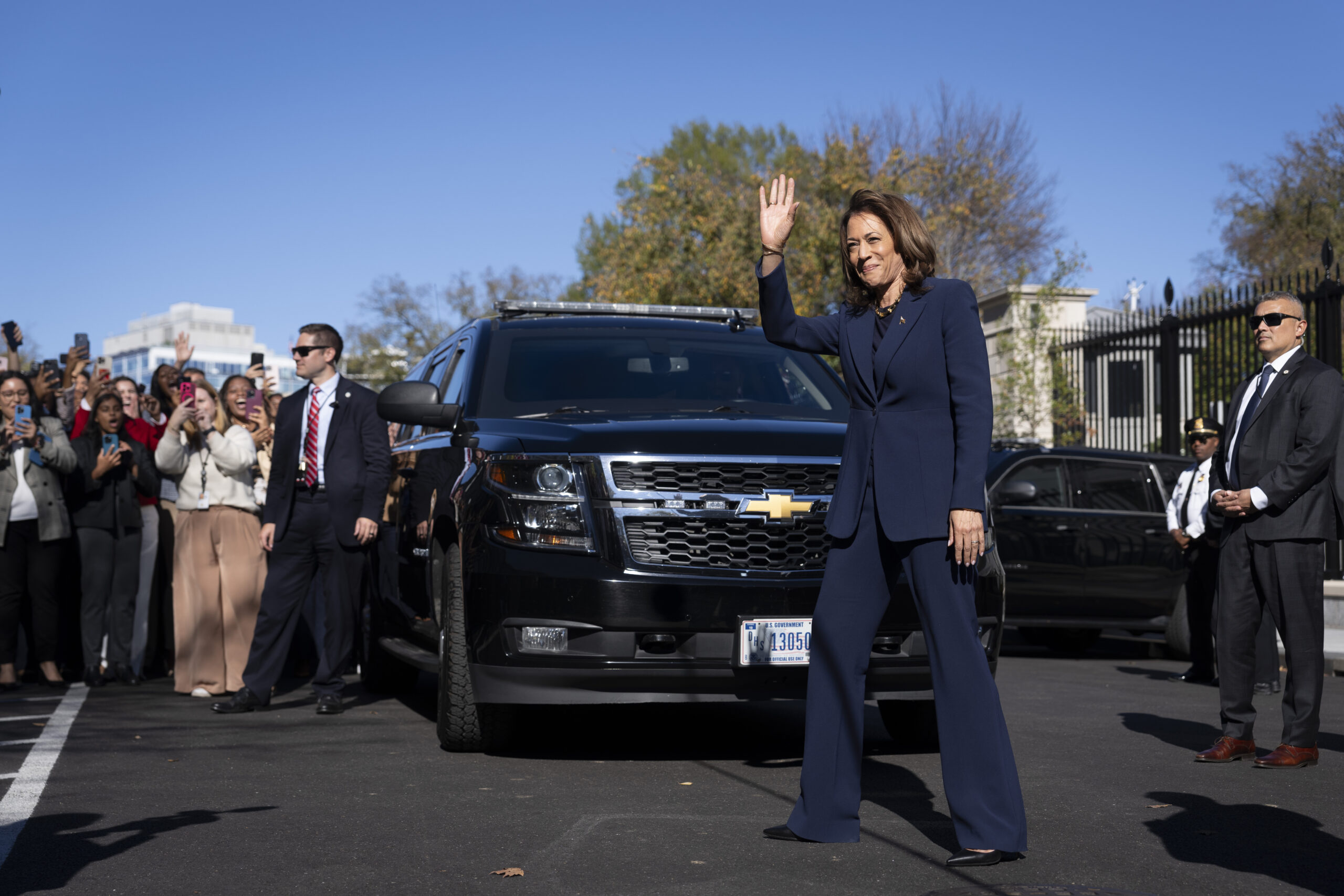
Kamala Harris has been lying low since her defeat in the presidential race, unwinding with family and senior aides in Hawaii before heading back to the nation’s capital.
But privately, the vice president has been instructing advisers and allies to keep her options open — whether for a possible 2028 presidential run, or even to run for governor in her home state of California in two years. As Harris has repeated in phone calls, “I am staying in the fight.”
She is expected to explore those and other possible paths forward with family members over the winter holiday season, according to five people in the Harris inner circle, who were granted anonymity to discuss internal dynamics. Her deliberations follow an extraordinary four months in which Harris went from President Joe Biden’s running mate to the top of the ticket, re-energizing Democrats before ultimately crashing on election night.
“She doesn’t have to decide if she wants to run for something again in the next six months,” said one former Harris campaign aide. “The natural thing to do would be to set up some type of entity that would give her the opportunity to travel and give speeches and preserve her political relationships.”
Most immediately, Harris and her advisers are working to define how and when she will speak out against Donald Trump and reassert her own role in the Democratic Party. Closing out her term as vice president, she’s set to preside over certifying the November election she lost to Trump, and then appear at the once-and-future president’s inauguration on Jan. 20.
“There will be a desire to hear her voice, and there won’t be a vacuum for long,” a person close to Harris said.
At the same time, Harris and her husband, Doug Emhoff, will have a long checklist to plow through before they leave the Naval Observatory for good.
They have to decide whether they’ll take up permanent residence at their home in Los Angeles, or establish a base elsewhere. No matter where Harris and her family live, some around her have expressed concerns about safety, as her Secret Service protection expires six months after stepping away.
Following her meteoric rise in Washington and California, there are internal questions about standing up a federal committee to raise money. It will be the first time in two decades that the former senator and career prosecutor will be out of public office. That means she’ll be standing up a personal office and nurturing her massive online presence without the organizing principle of day-to-day governing.
“You just got to let them marinate in their own success, their own failures or their own mistakes or their achievements. This is personal,” said Donna Brazile, a close ally of Harris’ and campaign manager for Al Gore, the last vice president who ran for president, lost, and never ran again. He instead made climate change the cause of his life.
Brazile recalled how Gore was given months before people demanded an answer about his next moves and that over the last few months Harris, despite her defeat, has earned “a lot of political capital. You don’t squander that by making snap decisions.”
While other Democrats have lost presidential races and been forced to regroup, none in the modern era inherited the nomination roughly 100 days before the election. Indeed, most of the prior losses occurred after a carefully planned, and often arduous climb to the top. Harris, 60, is comparatively young.
“There is no one — no one — who actually can relate to what she’s been through these last four months. No one,” said Paul Maslin, the Democratic pollster. “And I wouldn’t begrudge her at all to take some time and figure this out.”
But others close to Harris believe that the current news cycle and speed at which the Democratic Party might start making decisions will force Harris, who tends to deliberate for long periods, to make some early decisions.
In interviews with Harris aides and confidants, as well as Democratic luminaries, there’s broad acknowledgement that Harris represents an “X factor” in the next Democratic primary. While some Democrats are dismissive of a 2028 run — and few, if any, prospective opponents would defer to her — Harris notched more than 74 million votes and was able to build good will among a large group of Americans.
The good news for Harris, according to her allies, is that her standing in the party increased the longer that she ran her short campaign, which is rare in electoral politics. Her allies believe that the toxicity that surrounded John Kerry or Hillary Clinton after their losses is unlikely to taint Harris’ political future in the same way.
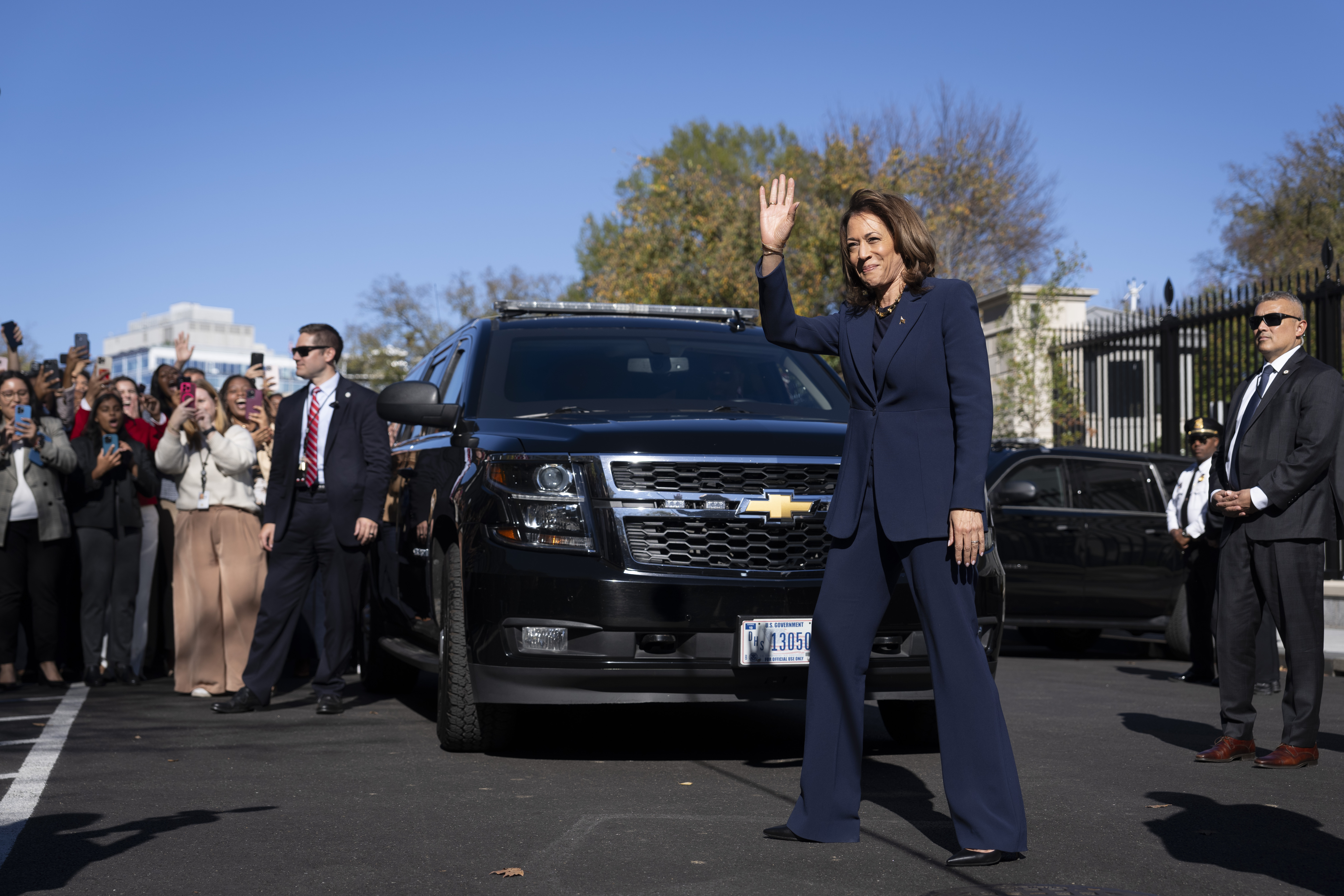
They point to her running a race as a more moderate candidate (a break from her 2019 primary run) as a boon to whatever choice she ends up making as the party seems poised to do its own writ large move to the center.
“She proved a lot of skeptics wrong as a political athlete. And her standing with the public is as good as any Democrats with the name I.D. that she has,” a Harris ally told Blue Light News.
A snap poll of the 2028 field found Harris at 41 percent, a significant lead over the others: Gavin Newsom, Josh Shapiro, Tim Walz, Pete Buttigieg, Alexandria Ocasio-Cortez, Gretchen Whitmer, JB Pritzker, Andy Beshear and several others who all were in single digits.
But Harris’ advantages are not unique. Similar surveys taken in the two months after the 2016 campaign, for example, found Clinton with a large lead for 2020, with majorities of Democrats saying they wanted her to run in the next cycle.
“I can’t conceivably imagine the party turning to her a second time,” said one Democratic strategist granted anonymity to speak candidly.
If she opts not to run in 2028, the earliest clues about her political future could come around whether she runs to succeed Newsom in California, a prospect Blue Light News first reported in May. Her office pushed back strongly at the time. Yet the mere idea of her running again in California has frozen the field and kept some fundraisers on the sidelines.
While there’s disagreement among people who know Harris well about what office she should run for, there’s emerging consensus that she probably can’t do both — compete for governor and then turn around and start a presidential campaign a few weeks later.
The calendar alone would make that difficult, with the 2028 primary gearing up immediately after the midterm elections. Harris confidants also point to the demands on a governor’s time, and the expectation of the electorate that she would stay home and dig into the state’s mounting challenges around the high cost of living, homelessness and crime.
“It’s a real job,” is how one of the people close to her put it, contending they were at first dismissive of the idea she might do it, but now feel like it’s possible.
And if she doesn’t run for governor, Harris will have to consider the cost of staying out of an open race in a state where other high-profile offices are not likely to come up soon. Both Senate seats will be filled for the foreseeable future by relatively youthful incumbent Sens. Alex Padilla, 51, and Adam Schiff, 64.
Advisers and aides to several other candidates conceded that a gubernatorial run would almost certainly clear the field of serious challengers, leaving a mix of Democratic also-rans and unproven self-financed candidates to take her on.
The state hasn’t elected a Republican to the office since Arnold Schwarzenegger nearly 20 years ago, and Harris, who would be about 70 after two terms, could view the governorship as a capstone of her political career, or potentially pass on 2028 and still run for president in 2032, if there’s an opening.
“She is not someone who makes rash decisions. She takes, sometimes, a painfully long time to make decisions. So I would pretty much guarantee you she has no idea what her next move is,” said Brian Brokaw, a former Harris aide who has remained close to her circle.
“Could she run for governor? Yes. Do I think she wants to run for governor? Probably not. Could she win? Definitely. Would she like the job? I don’t know. Could she run for president again? Yes,” Brokaw said. “Would she have a whole bunch of skepticism from the outset, because she has run in a full-length Democratic primary where [in 2019] she didn’t even make it long enough to be in the Iowa caucus, and then she was the nominee this year?”
He added: “On the other hand, people can learn a lot from their previous adversity, too.”


Under the political radar, the country’s food stamps program is undergoing a slow-motion transformation. The ramifications could bubble up into the midterms.
Changes to the Supplemental Nutrition Assistance Program from Republicans’ One Big Beautiful Bill Act are rolling out in phases, from tougher work requirements to restrictions on non-citizens. Food stamp rolls already shrank by more than 5 million people nationwide as of this summer, as the hardest-hit state, Arizona, saw an outright majority of its food stamp recipients lose benefits.
The latest alteration clicked into place Oct. 1, when the share of administrative costs states and counties have to pay rose to 75% from 50%. An even bigger financial shift looms in a year, when states with high payment error rates will have to assume some benefit costs for the first time, a scenario that’s already rippling through state and local budget planning.
It all adds up to a new era in federal-state relations — and in the size and nature of the welfare state.
In a year when affordability worries top voters’ priority lists and grocery prices strain their wallets, Democrats think the SNAP shift gives them an opening to make Republicans pay politically after the GOP used social safety net cuts to food aid and Medicaid to help pay for last year’s tax cuts.
“People are getting kicked off these programs at the very moment they’re going to the polls to vote,” House Agriculture ranking member Angie Craig (D-Minn.) said. “I sure wouldn’t want to be a Republican headed into the November ballot.”
But Republicans think they have a compelling story to tell voters, trying to right-size a program that spends millions of dollars on erroneous payments. The SNAP changes align with the Trump administration’s broader push to crack down on fraud and make the government smaller or more efficient. Implementing stricter work requirements for welfare often polls well, and trying to move people toward work gets at the root causes of poverty, they argue.
“The premise is simple: Let’s make sure that this program is preserved for those truly in need, and that we aren’t squandering taxpayer dollars,” a senior USDA official told Playbook in an interview. “And let’s make sure that if folks are able-bodied, they are work training or volunteering for 20 hours per week.”
That doesn’t mean Republicans in competitive races are putting SNAP and Medicaid cuts front and center on the campaign trail. When they tout last year’s megalaw, new tax breaks typically lead the messaging. And 10 frontline GOP House campaigns didn’t respond to requests for interviews about how they can win on SNAP.
At the state and county level, some governments are scrambling to prepare for a massive cost shift, hitting at the same time as significant Medicaid changes. The resulting bureaucratic jumble has contributed to some of the SNAP losses this year, as recipients struggled to get through overtaxed call centers, some states cut staff, and others tightened their processes.
“It really sets up a change in the federal responsibility, and I view it as a slippery slope,” warned Barbara Guinn, New York’s commissioner of the Office of Temporary and Disability Assistance. Her state is staring down a possible $1 billion added burden next year, though they’re advocating for a repeal of the benefits change. “Once they implement any kind of cost shift, I think it will be easier for them to take similar actions in the future.”
Whether to delay next year’s cost shift has already generated tensions over the farm bill in the Senate, where Democrats are demanding a longer postponement than Republicans’ offer of one year. Some Minnesota counties are considering significant property tax increases to pay for the extra costs, Craig said: “We’re going to be pushing hard for a two-year delay — at the request of, frankly, many of my Republican county commissioners, not just Democrats.”
Conservatives see the new calculus as a long overdue change to improve efficiency and incentivize program integrity. Improper payment rates are high in many states (though they comprise both over-payments and under-payments, and error rates are different from fraud). Those that reduce errors enough won’t have to take on paying the benefits. And even opponents of the changes think lower error rates are a worthy goal. SNAP rolls often ebb and flow with the economy, and the recent drop could reflect the job market pulling people out of need — or the removal of people who shouldn’t have been getting food stamps in the first place.
“There needs to be some level of accountability,” the USDA official said. States with high error rates “need to start to have skin in the game.”
But at a time when many households are already squeezed by inflation, the SNAP changes have correlated with higher numbers of Americans turning to charities to ward off hunger. The surge in people losing food aid came more quickly than expected. The unemployment rate hasn’t meaningfully changed. And the vast majority of large food banks in a recent NBC survey said they were grappling with higher demand, in part due to food stamp changes. Another rule kicking in the day after the midterms could lead to many retailers being bumped out of SNAP as places where low-income people can use their benefits.
For state governments, a set of sweeping operational changes are now underway to conform to new policy demands, often requiring more money or staffing at already under-resourced offices. And the budgetary stakes to get error rates lower are sky-high.
“It’s a really complicated, nuanced and confusing time for states who are trying to administer SNAP,” said Lauren Kallins, a senior legislative director at the nonpartisan National Conference of State Legislatures, which has advocated for a delay in the benefits costs shift.
National Democrats are increasingly shifting their attention away from North Carolina’s Senate race as polls show former Gov. Roy Cooper ahead, eyeing once long-shot races as possible pickups. But a veteran Democratic strategist who helped deliver the party’s last presidential victory in the state is urging donors not to take a win for granted.
David Plouffe, who managed behind Barack Obama’s narrow 2008 victory in North Carolina, urged Democratic donors and supporters not to grow complacent in the final weeks of Roy Cooper’s Senate campaign, according to audio obtained by Blue Light News.
“I think that this race … has I think been the best run race in the country,” Plouffe said on the call. “But that doesn’t mean that we can rest easy.”
He warned about North Carolina’s relatively fixed partisan makeup as a purple state, making it difficult for a candidate to dramatically expand their base of support.
“There’s certain states that elections happen within a bound, and this one will be that way as well,” he said.
In public polling, Cooper leads Republican Michael Whatley, who has struggled to boost his name recognition against the much better-known former governor. And as Democrats grow increasingly bullish on their candidate’s chances of flipping the seat — one of four pickups they need to take control of the Senate — national groups have begun shifting their money and attention to other contests, including most recently to Kansas.
But Plouffe said North Carolina needs to remain a priority.
“We have to win the ones we have to win,” he said on the call to Cooper’s finance committee.
Just days before Plouffe’s remarks, Senate Democrats’ top super PAC pulled back some of its spending in North Carolina, following a much bigger retreat by Republicans’ top super PAC in the state.
Plouffe cautioned that North Carolina has historically been a tough state for Democrats at the federal level, especially in recent years. The party hasn’t won a Senate race there since 2008, when Obama became the last Democratic presidential candidate to carry the state, winning by fewer than 15,000 votes. He lost the state in 2012.
“Even though we carried the electoral votes back then, we only did so by I think 14,000 votes. So it was our narrowest victory,” Plouffe said. “And in 2012, we tried to win North Carolina again with the help of so many people on this phone, and we just couldn’t get it done. And that tells you how difficult the state is.”
Plouffe also cast the stakes of Cooper’s race as extending beyond November, arguing that a Cooper victory could provide a blueprint for the party’s eventual 2028 presidential nominee.
“Democrats need to compete and win in North Carolina in 28,” he said. “And it’s one thing to look how a governor can win a state. The best route, the best scout that you receive, is how someone in a federal race won in a tough state, and that can show you the way.”
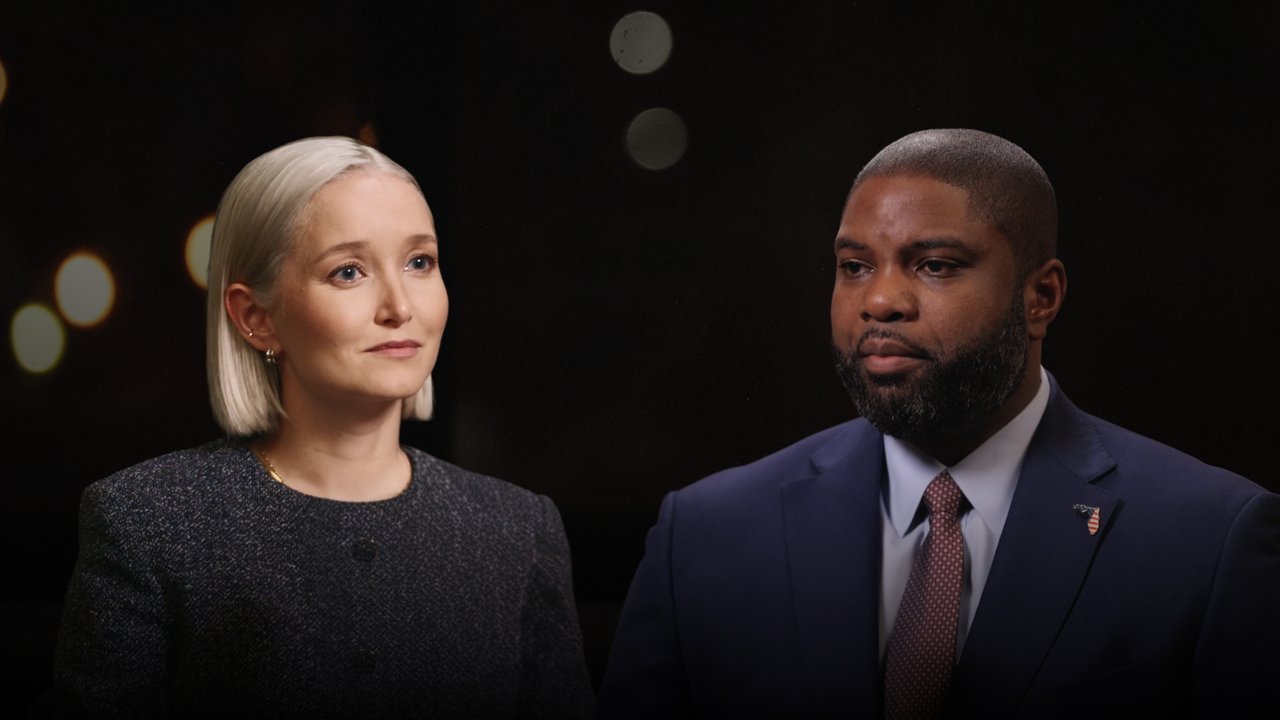
Byron Donalds says he is not a ‘yes man’ to Trump
lead image
-

 Politics2 years ago
Former ‘Squad’ members launching ‘Bowman and Bush’ YouTube show
-
Uncategorized2 years ago
Bob Good to step down as Freedom Caucus chair this week
-

 The Josh Fourrier Show2 years ago
DOOMSDAY: Trump won, now what?
-

 The Dictatorship2 years ago
Pete Hegseth’s tenure at the Pentagon goes from bad to worse
-

 Politics2 years ago
Former Kentucky AG Daniel Cameron launches Senate bid
-

 The Dictatorship2 years ago
Luigi Mangione acknowledges public support in first official statement since arrest
-

 Politics2 years ago
Blue Light News’s Editorial Director Ryan Hutchins speaks at Blue Light News’s 2025 Governors Summit
-

 The Dictatorship1 year ago
Mike Johnson sums up the GOP’s arrogant position on military occupation with two words