
Congress
The MAGA loyalist working to grow the foreign guest-worker program

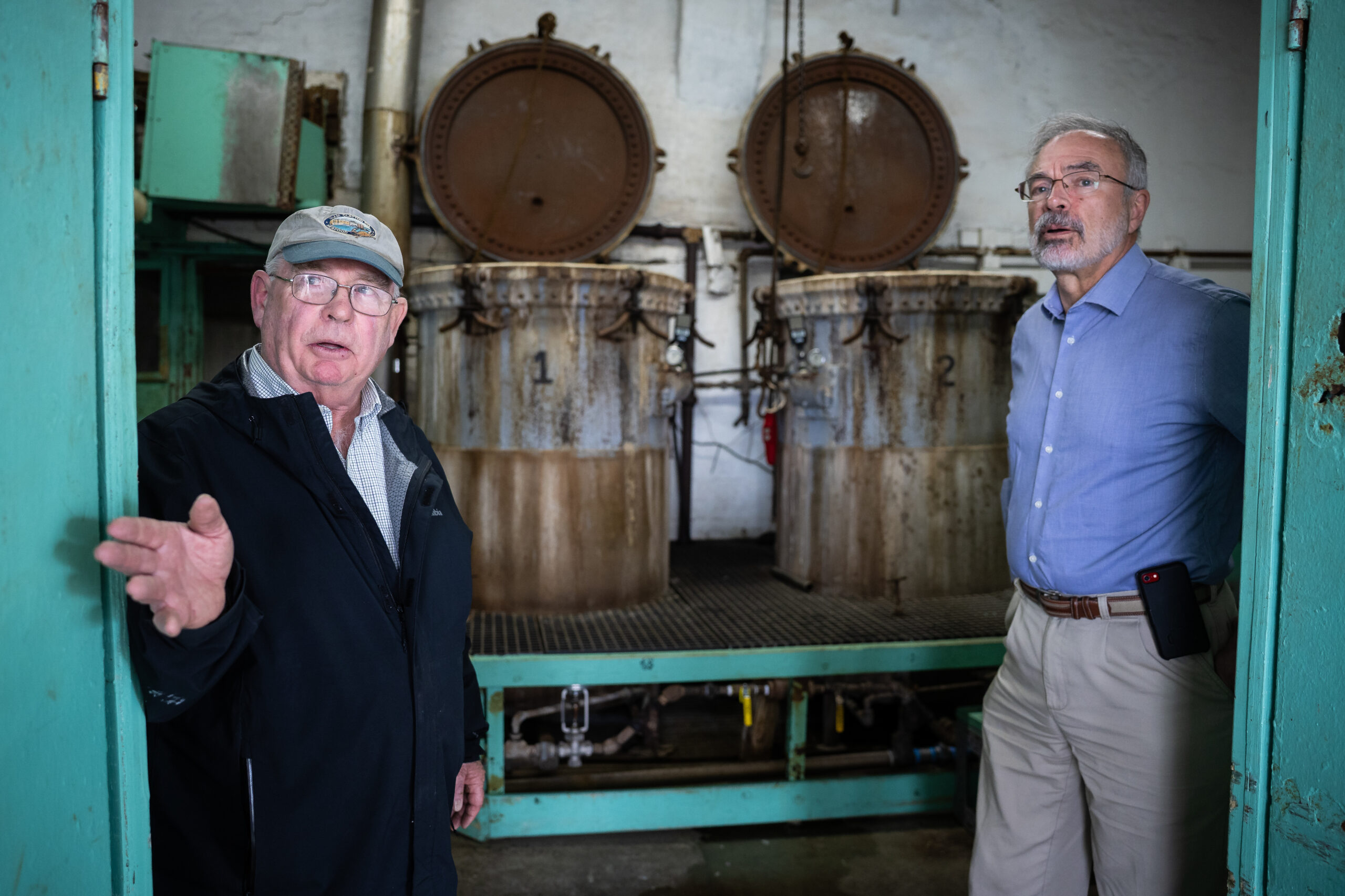
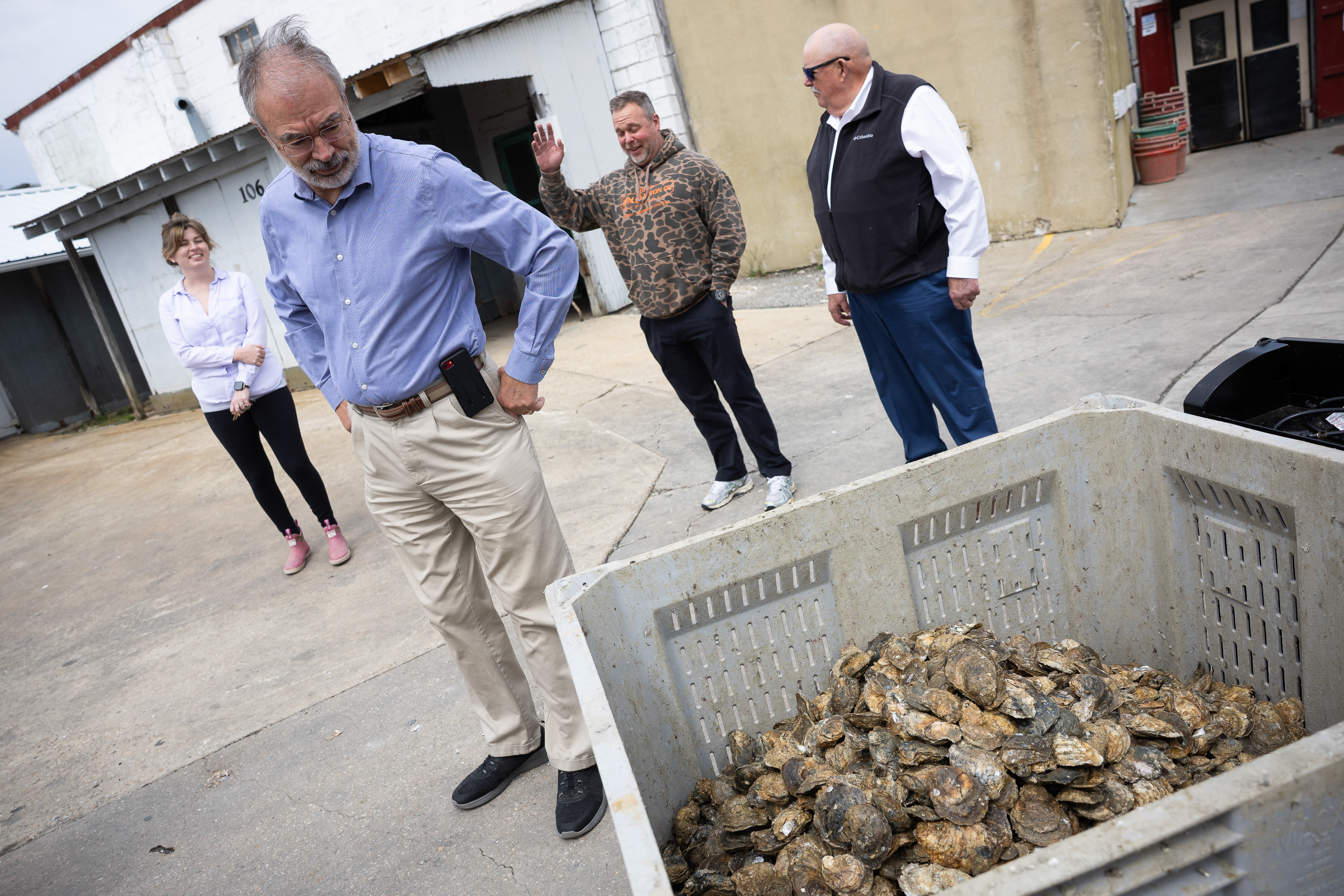
CAMBRIDGE, Maryland — On Capitol Hill, Rep. Andy Harris is one of the most uncompromising advocates of President Donald Trump’s immigration crackdown. On the Eastern Shore of the Chesapeake Bay, the Maryland Republican is seen as a hero for securing foreign labor to power his state’s commercial seafood industry.
The 69-year-old lawmaker, who chairs the ultraconservative House Freedom Caucus and the subcommittee that funds the Department of Agriculture, has leveraged his influence as one of Washington’s most prominent hard-liners to lobby the White House in favor of a robust influx of temporary foreign workers.
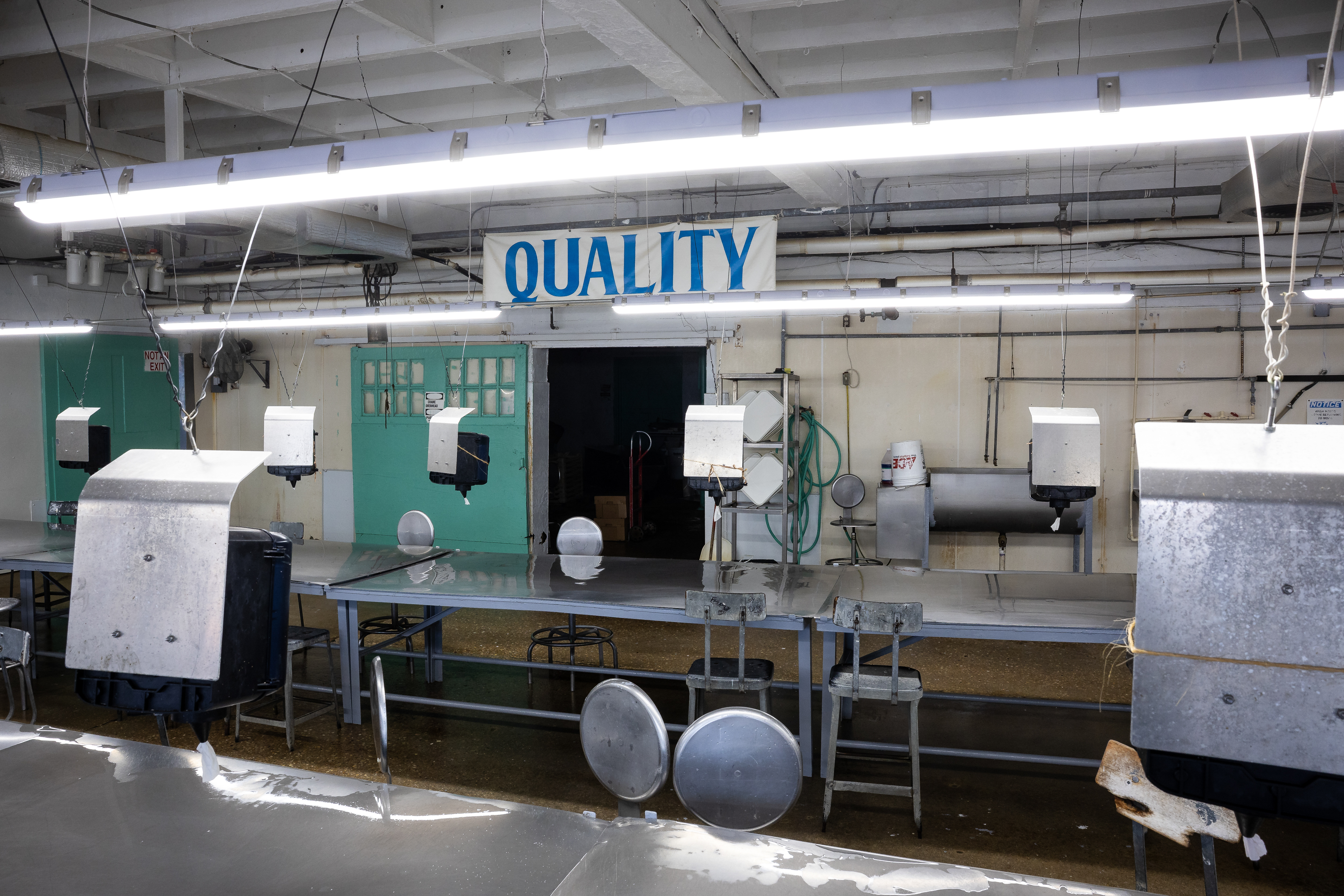
That meant convincing the Trump administration earlier this year to max out the number of guest workers allowed for the season, helping businesses throughout the country — including seafood producers in his district, who bring in workers from Mexico to hand-pick meat from the region’s blue crabs.
“I’ve been in long enough to know how to get things done, and we got it done,” Harris told Jack Brooks, owner of the J.M. Clayton crab company, on a recent afternoon outside his facility along the Choptank River.
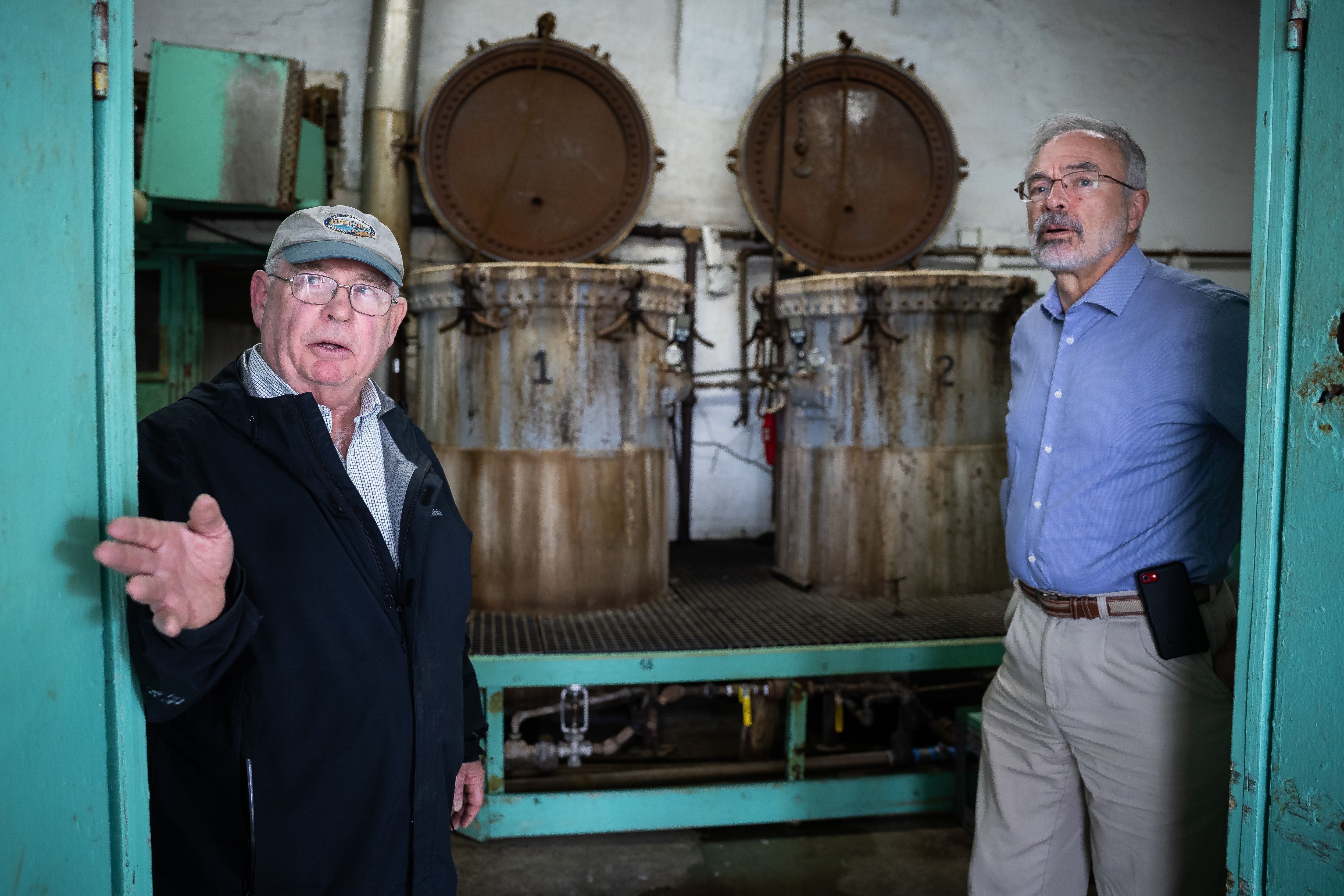
It’s not just a parochial priority for Harris, who has grander ambitions to increase the number of seasonal workers who flow in and out of the country. He’s driving a debate within the Republican party about whether the president’s “America First” agenda means aggressively stemming the number of foreigners who enter the United States — both legally and illegally — or helping the U.S. economy with regulated foreign labor.
Harris told Brooks he plans to build on his success by working to guarantee longtime H-2B employers get the positions they seek regardless of their luck in a yearly lottery.
“We appreciate you out there battling on our behalf, for sure,” Brooks said to Harris. “I know you’re just one guy.”
The H-2B visa program Harris wants to expand is distinct from a separate temporary visa program for migrant farmworkers. It’s instead aimed at nonagricultural jobs such as landscaping, construction and, in this case, “crab picking.”
There is no conflict, Harris argues, between his endorsement of the president’s aggressive approach to illegal immigration and his support for more temporary foreign workers who return to their home countries each year.

At the same time, Harris — the son of immigrants from Central Europe — also consistently rails against amnesty policies that would create a pathway to citizenship for undocumented immigrants.
“This is not an immigration issue — this is a temporary foreign worker issue,” Harris said in an interview. “Once we control the uncontrolled border crossing, let’s talk about how we can bring a foreign workforce in to boost the economy where it needs to be boosted.”
Under the “Buy American, Hire American” agenda Trump has pursued throughout his first and second terms, his administration has often resisted calls to issue the maximum number of H-2B visas Congress allows. This year, however, Harris traveled down Pennsylvania Avenue at a crucial moment to persuade the White House otherwise — quietly locking in roughly 65,000 positions for workers with H-2B visas for the current season, about 30,000 more than what the Trump administration had announced it would allow.
The White House’s decision to boost the number of visas followed the termination of work documents for 1.3 million undocumented immigrants, White House spokesperson Taylor Rogers said in a statement. The Trump administration’s No. 1 priority, she said, “is protecting American jobs and wages” while meeting the demands of the president’s “rapidly growing economy.”
Harris pitched Agriculture Secretary Brooke Rollins in recent weeks on his ideas for embracing an influx of temporary foreign workers as Trump promises “a Golden Age of American agriculture” and a renaissance for U.S. manufacturing amid record tariffs and new Republican-led tax perks.
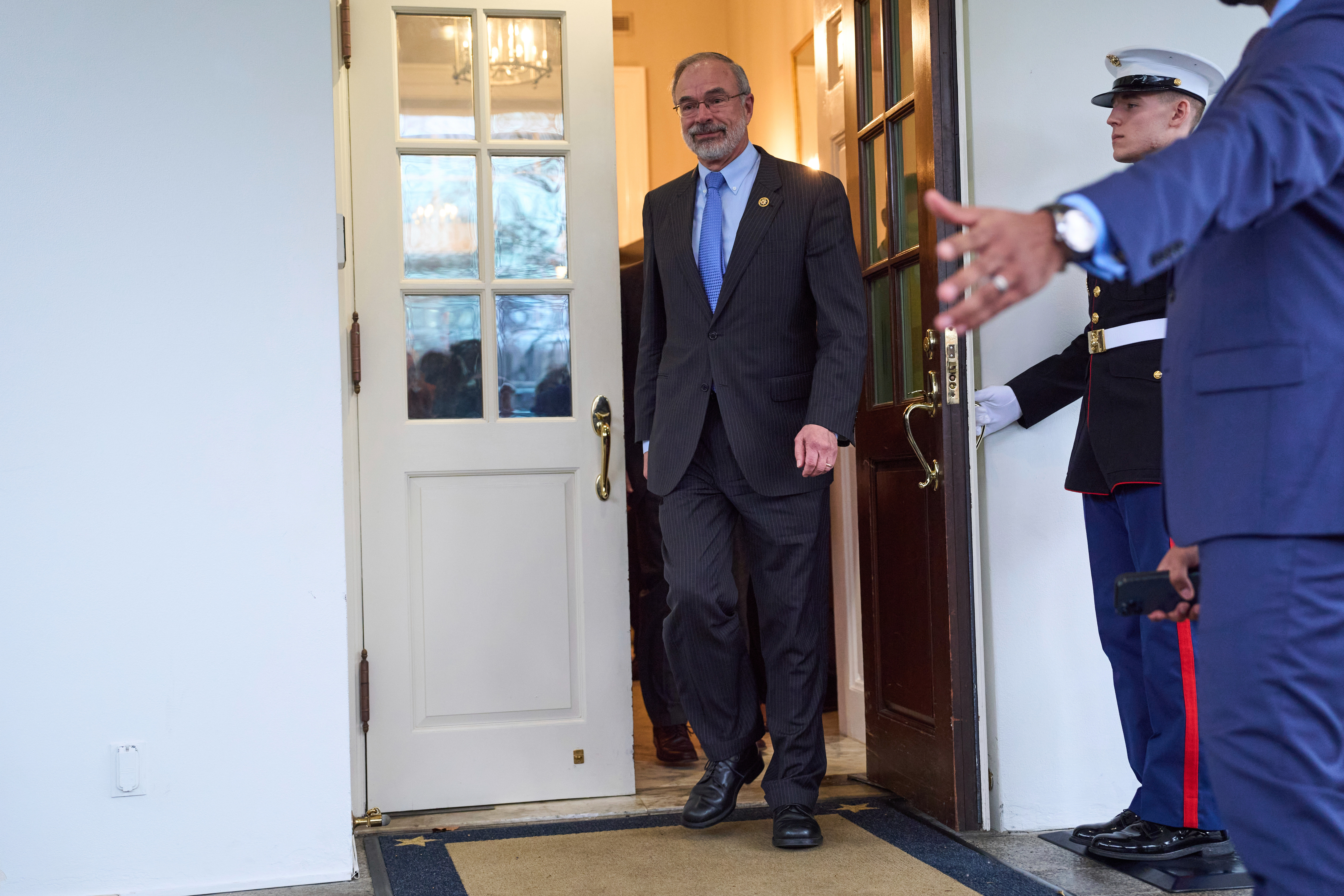
“I think they realized that — as we bring work back — we are going to have to provide the labor here,” Harris said.
The congressman also wants to impose a “buy American” mandate for SNAP food assistance to ensure the roughly $100 billion in federal aid each year is used to purchase food grown and produced in the United States. “But that means that you’re going to have to have workers here,” Harris explained.
Asked about the Trump administration’s reception of Harris’ ideas, a spokesperson for USDA said in a statement that the president “is putting America First” by “streamlining” visa policy and “prioritizing fixing programs farmers and ranchers rely on to produce the safest and most productive food supply in the world.”
To close followers of visa policy debate in Washington, it’s clear that Harris is “the ringleader” of the push to expand the pool of temporary foreign workers, said Daniel Costa, a director at the Economic Policy Institute, a group that is critical of the way workers are treated under the H-2B program.
While Harris’ stance is not “a paradox,” Costa said in an interview, it’s certainly in conflict with the MAGA vision of top Trump advisers, including Stephen Miller. Harris’ lobbying effort is reminiscent of the “fracture in the Republican coalition” last year when Elon Musk pressed the president to boost a separate visa program for high-skilled workers against the guidance of other close Trump allies, he added.
Back in Harris’ district, seafood processors on the Eastern Shore have for decades struggled to fill key gaps in their workforce. “Crab pickers” began moving into manufacturing and other jobs in the mid-1990s, forcing business owners in the region to start seeking seasonal foreign workers.

At that time, there were more than 50 crab producers in the area. Those businesses that didn’t bring in foreign employees quickly closed, followed in later years by those that had bad luck in the visa lottery. Local crab producers still standing estimate there are fewer than a dozen remaining.
Lindy’s Seafood, another producer on the Eastern Shore, was not awarded any foreign workers in this year’s initial federal lottery. But the company lucked out when the Trump administration opened up the supplemental visas Harris helped secure.
“It’s a scary thing to go through, when every year is kind of tossing the dice,” said Aubrey Vincent, the company’s owner.

Other Maryland lawmakers have tried to help. Democratic Sens. Chris Van Hollen and Angela Alsobrooks have joined with lawmakers from states with big seafood industries to push a bipartisan bill that would exempt seafood processors from the cap on H-2B visas.
“It’d be nice to have the Trump administration support this effort,” Van Hollen said in an interview. “But regardless, we’re going to push very hard to get it done.”
Maryland’s Democrats don’t have the same sway right now as Harris, the sole Republican in his state’s 10-member congressional delegation and the only Marylander on Capitol Hill who has the ear of Trump administration officials mostly disinterested in working across the aisle.
Before Harris was elected to Congress in 2011, Maryland’s crab producers had another powerful advocate: then-Sen. Barbara Mikulski, who later chaired the Senate Appropriations Committee. After the limit on H-2B visas was first imposed in 2005, Mikulski succeeded in excluding returning workers from the visa cap.
But when Mikulski retired in 2017, Senate support for that policy died. “As soon as you lost the bicameral advocacy for it, it just became difficult,” said Harris, who pushed the policy in the House while Mikulski championed it in the Senate.
In 2016, appropriators started adding language to the annual funding bills allowing DHS to issue about 65,000 extra H-2B visas per year — the quota Harris got the Trump administration to fulfill this year.
Now Harris is working alongside the Senate funding panel’s current chair, Maine Republican Sen. Susan Collins, to advocate for the visas, which she argues are essential to “temporarily fill the seasonal roles that many inns, restaurants, and hotels rely on” during the summer tourism boom in her home state, whose license plates read “Vacationland.”
For the upcoming fiscal year, Harris wants to add what he calls “certified employer” language to a full-year funding bill for DHS. That means businesses that have used the H-2B visa program to hire temporary foreign workers for several years could go through a process to guarantee they get the same number of seasonal employees each year.
Some of Harris’ colleagues suggest waiting for a comprehensive immigration overhaul package to make changes to the H-2B visa program, rather than tackle it piecemeal. But Congress hasn’t been able to achieve such a feat in 40 years, and Harris isn’t interested in waiting.
“It’s not going to be anytime soon,” Harris said. “So let’s just deal with the issue now.”


DALLAS — Republicans used their midterm convention this week to ask voters to preserve their congressional majorities and let them “finish the job.”
But with few consensus legislative goals, it’s far from clear what job they want to finish.
The two-day convention here centered on painting Democrats as an increasingly socialist party that American voters cannot trust with power while highlighting the GOP’s one major victory on Capitol Hill under President Donald Trump’s second term: the year-old tax-cut package known as the “big, beautiful bill.”
In contrast, there was little talk from the podium of what Republicans might seek to pass with a continued trifecta, and members interviewed on the sidelines shared differing visions of what specific legislation the GOP should pursue in the last two years of Trump’s presidency.
The one concrete proposal on offer — Trump’s promise Wednesday of a $5,000 “dividend” for every American adult — blindsided GOP congressional leaders and generated immediate internal dissension.
Asked about his party’s legislative plans, Rep. Chuck Fleischmann of Tennessee said Republicans would “certainly continue the agenda that we’ve done and that we fulfill to the American people.”
“Accentuate all the positives, minimize all the negatives,” said Rep. Dan Meuser of Pennsylvania, responding to the same question. He added he would like to see “more domestic energy production” and tackling fraud in government programs.
Several others said they want to build on last year’s GOP megabill, pursuing more tax cuts and, echoing Meuser, eliminating wasteful spending in government. Some said they hoped to pursue new health care and immigration policies.
“We’ll continue to work with President Trump, making sure the border stays secure,” Judiciary Chair Jim Jordan of Ohio said in an interview. “I think we can do more on the tax code, dealing with keeping taxes low for families. Certainly … things cost too much for families. We understand it now.”
Specifics, however, were scarce.
Fleischmann said Republicans have “a good roadmap in place,” but when pressed on what that roadmap entails, he resorted to broad strokes — “to make sure that America stays strong, that defense gets funded, that we make sure that we fulfill our proper domestic obligations.”
Rather than rally around Trump’s promise of $5,000 checks if Republicans are returned to power in Congress, many GOP members — caught by surprise — said they needed more information about the proposal or simply declined to comment. Once mentioned by the president, the proposal was barely mentioned again on the convention stage.
Trump said in a CBS News interview Thursday that he believed he might not need Congress to authorize the dividend checks — a claim some Republicans quickly pushed back on.
The reality is, the narrow House and Senate majorities the GOP now holds have been barely capable of legislating as it is. And while leaders in both chambers play up the possibility of expanding those majorities in November, that would require overcoming historical precedent and many Republicans’ private expectations they will be lucky to hold on to any majority at all.
Both chambers return Monday for what could be a brief pre-election session, with little expectation that serious legislating will get done. House Republicans have sent several partisan bills to the Senate, but they are being blocked by Democratic filibusters. Plans for a new budget reconciliation bill that could skirt Democratic opposition has stalled, meanwhile, due to internal GOP divides.
The lack of action in the Senate has fueled anger from Trump and his loyalists in Congress and in the GOP voter base — much of it trained on Senate Majority Leader John Thune, who has repeatedly said he simply does not have the votes to eliminate the filibuster and enact the stalled bills.
That has not appeased angry conservatives — Thune was booed at the convention Wednesday — and a continued GOP trifecta would almost certainly continue to be marked by interchamber tensions — even with turnover in the party ranks.
“Given the current dynamic, we have got to have a serious come-to-Jesus conversation with Majority Leader Thune,” Rep. Chip Roy of Texas said at the convention, demanding the Senate “tweak the filibuster rules” and “call the question” on key bills.
Even on an issue where there is general agreement among Republicans that something should be done — such as immigration — internal disagreements have kept the party from acting.
Jordan, for instance, said he would like to codify tough border security policies backed by Trump. But some more moderate Republicans are hoping for a more comprehensive bill that also addresses legal immigration programs, such as those allowing for guest agricultural workers and high-skilled labor.
Meuser is among those wanting a broader bill — one, he said, that is “not amnesty, but a truly comprehensive, smart plan for illegal immigration.”
Speaker Mike Johnson did not mention immigration legislation or any other specific agenda items in his remarks to the convention Thursday. He instead outlined the House’s achievements under Trump and said voters need to stay the course.
“We’ve succeeded in so many ways, but it takes more than just 20 months to fix the total disaster that we were handed and to turn the ship of state around,” he said. “We know the job isn’t finished yet, but we are all in this together.”
Echoing many other convention speakers, Johnson focused on the threats posed by Democrats: “The alternative is to turn the reins over right now to the radical Marxists who are planning to dramatically grow the government, raise your taxes, drive costs through the roof, and rob you of your freedom.”
But some worried that message might not be sufficient — especially after Democrats’ 2024 message focused largely on preventing another Trump presidency rather than pointing to affirmative plans to tackle rising prices and other key voter concerns.
Roy is not on the ballot this fall after losing a primary for Texas attorney general, but he is helping to campaign for other Republicans. He, too, said his message is that GOP candidates “need to be able to finish the job” and cited an “enormous amount of good work” — listing as examples the Laken Riley Act, a small-bore immigration bill that passed early in Trump’s second term, and federal spending cuts embedded in the megabill.
As for the rest of the GOP messaging, Roy added, “Right now, I would argue we’re focused a little bit too much on how crazy they are instead of talking about all the great stuff we’ve done.”
House lawmakers are set to vote on the sweeping Russia sanctions bill that senators overwhelmingly voted to approve in August, but now faces a tough test in the House where Democrats fear the bill will give President Donald Trump too much tariff power.
The Senate-passed and White House-backed measure is finally getting consideration from the House, after GOP leaders omitted it from their agenda when lawmakers returned from August recess. Many House Democrats — including Minority Leader Hakeem Jeffries — have voiced opposition for fear that it would give Trump expansive and risky new tariff authorities.
House GOP enthusiasm for the measure has also been tepid, after a boost following the sudden death of its champion, Sen. Lindsey Graham, wore off.
The House Rules Committee scheduled a meeting to consider the bill Monday afternoon.
Advocates of the legislation argue the bill would give Trump the tools he needs to pressure Russian leader Vladimir Putin to end the war on Ukraine. The bill would issue mandatory sanctions on Russian leadership and its energy sector — as well as collaborators in Moscow’s defense industry and so-called shadow fleet.
But it would also give Trump the ability to hit top buyers of Russian oil with 100% tariffs, a move that Democrats say is dangerous given the White House’s eagerness to slap tariffs on U.S. friends and foes alike.
“Donald Trump already has ample authority to impose sanctions on the companies, individuals, and vessels propping up a Russian war machine that continues its deadly attacks on Ukraine,” Reps. Gregory Meeks (D-N.Y.) and Richard Neal (D-Mass.) wrote in a joint statement with Democratic Rep. Don Beyer of Virginia and Sens. Ron Wyden (D-Ore.) and Elizabeth Warren (D-Mass.) earlier this month. “Congress does not need to greenlight new tariff authority for the President to impose those sanctions on Russia today.”
Backers of the bill were quick to encourage its passage after the vote was announced on Friday.
“Great news that the House will vote on the much-needed Russia sanctions bill,” Senate Foreign Relations ranking member Jeanne Shaheen (D-N.H.) wrote on social media. “Ukrainian civilians continue to be killed by Putin’s war machine, and this bill hits the Kremlin’s coffers hard. Now is the time to pass it and force Putin to the negotiating table.”
The measure passed in an 86-11 vote in the Senate in August.
House GOP leaders have picked Tuesday as the day to vote on legislation intended to shield Americans from the potential costs associated with the data center boom, according to two people granted anonymity to share private scheduling plans.
The upcoming floor action comes after a healthy number of vulnerable Republicans signed onto the measure in recent days, a sign that fears about the issue’s political volatility ahead of the midterms are continuing to grow as voters complain about rising energy prices as a result of data center proliferation.
The bipartisan Ratepayer Protection Act, which aims to compel tech companies to pay for the infrastructure associated with data center development, passed unanimously out of the House Energy and Commerce Committee this summer. Senior Republicans, however, said last week they were still weighing whether to bring the bill to the floor before the House recesses until after the November elections.
The decision to proceed this coming week signals that pressure has been building on leaders to act, underscored by the at least five House GOP frontliners who have signed on as cosponsors since September 1: Reps. Bill Huizenga and Tom Barrett of Michigan, David Valadao of California, Jen Kiggans of Virginia and Mónica de la Cruz of Texas.
Valadao, in an interview a week before he signed on as a cosponsor, called such measures “fine” but balked at the idea House Democratic leaders were trying to politicize data centers right before an election.
“Obviously it has to be addressed — making sure that we’re protecting our natural resources like water in my district,” he said. “Obviously, with California and their regulatory process, they’ve made energy more expensive than anywhere else in the country. So those are major concerns that need to be addressed, and I think those pieces of legislation will make sense.”
But, he added, allowing Democrats “to turn this into a political issue, I would say, is pretty irresponsible.”
The total number of cosponsors on the bill, championed by Reps. Gabe Evans (R-Colo.) and Kathy Castor (D-Fla.), to 42 Democrats and Republicans combined.
The Tuesday vote will take place under an expedited procedure that requires a two-thirds majority of those present and voting to secure passage.
Mia McCarthy and Amelia Davidson contributed to this report.
- GOP anxiety grows over North Carolina Senate race
- Convention puts GOP’s reality on display: Midterm policy agenda is skimpy
- At 9/11 ceremony, Giuliani and Mamdani … shake hands?

- Court deals first blow to Trump’s coal rescue campaign
- House sets vote on Russia sanctions bill
- House eyes Tuesday vote on bill to curb data center costs
- This climate problem isn’t on the UN agenda — data centers
- Democrats revamp their midterm playbook for GOP’s anti-trans attacks
- Capitol agenda: Trump tells Republicans to vote or ‘go to hell’
- Rand Paul and his staff travel by private jet with taxpayer dollars while preaching fiscal restraint
-

 Politics2 years ago
Former ‘Squad’ members launching ‘Bowman and Bush’ YouTube show
-
Uncategorized2 years ago
Bob Good to step down as Freedom Caucus chair this week
-

 Politics2 years ago
Former Kentucky AG Daniel Cameron launches Senate bid
-

 The Dictatorship2 years ago
Luigi Mangione acknowledges public support in first official statement since arrest
-

 The Josh Fourrier Show2 years ago
DOOMSDAY: Trump won, now what?
-

 The Dictatorship2 years ago
Pete Hegseth’s tenure at the Pentagon goes from bad to worse
-

 Politics2 years ago
Blue Light News’s Editorial Director Ryan Hutchins speaks at Blue Light News’s 2025 Governors Summit
-

 The Dictatorship1 year ago
Mike Johnson sums up the GOP’s arrogant position on military occupation with two words