
Congress
The Freedom Caucus is losing its stalwarts. Here’s who to watch next.

After more than a decade at the center of GOP politics on Capitol Hill, the House Freedom Caucus is suddenly confronting an unsettled future.
Several of the hard-right bloc’s most prominent members are leaving Congress next year after seeking higher office — including a former chair, Rep. Andy Biggs of Arizona, and several media-friendly voices such as Reps. Chip Roy of Texas, Byron Donalds of Florida and Ralph Norman of South Carolina, among others.
“We’re losing a lot of talent — there’s no doubt about it,” Rep. Eli Crane of Arizona said. “So it’s just kind of like a next-man-up mentality.”
But which man is very much in question. The current chair, Rep. Andy Harris of Maryland, is term-limited, and a new generation of combative ultraconservatives is ready to step in just as the caucus comes to terms with a potentially changing role on Capitol Hill.
The group will be facing twin challenges — a potential shift to a Democratic House majority, which has historically made the caucus less pivotal, and the looming transition to a Republican Party without a President Donald Trump, who has been an animating force for most of its members.
“Across the country, people know who the Freedom Caucus is,” said Rep. Clay Higgins of Louisiana. “The next couple of years is going to be important for the caucus.”
The group has reinvented itself in the past, with new leaders emerging as old members move on. Donalds recalled when former chair Mark Meadows of North Carolina departed for the White House in Trump’s first term.
“They’re like, ‘Well, what’s going to be the future of HFC?’ And in came Chip Roy, in came a Byron Donalds,” he said with a grin. “We just kind of kept it going.”
The only founding member still serving in the House is Rep. Jim Jordan of Ohio, who could make a play for minority leader if Republicans lose the majority in November — further scrambling the caucus’ historic role as a hard-right vanguard.
Harris will remain a member, as will fellow former chair Scott Perry of Pennsylvania — if he can win what’s expected to be a competitive general-election race. Veteran members such as Reps. Michael Cloud and Keith Self of Texas will also be influential.
But a number of relatively obscure members are ready to make moves and become the new faces of the hard right in the House.
Eric Burlison
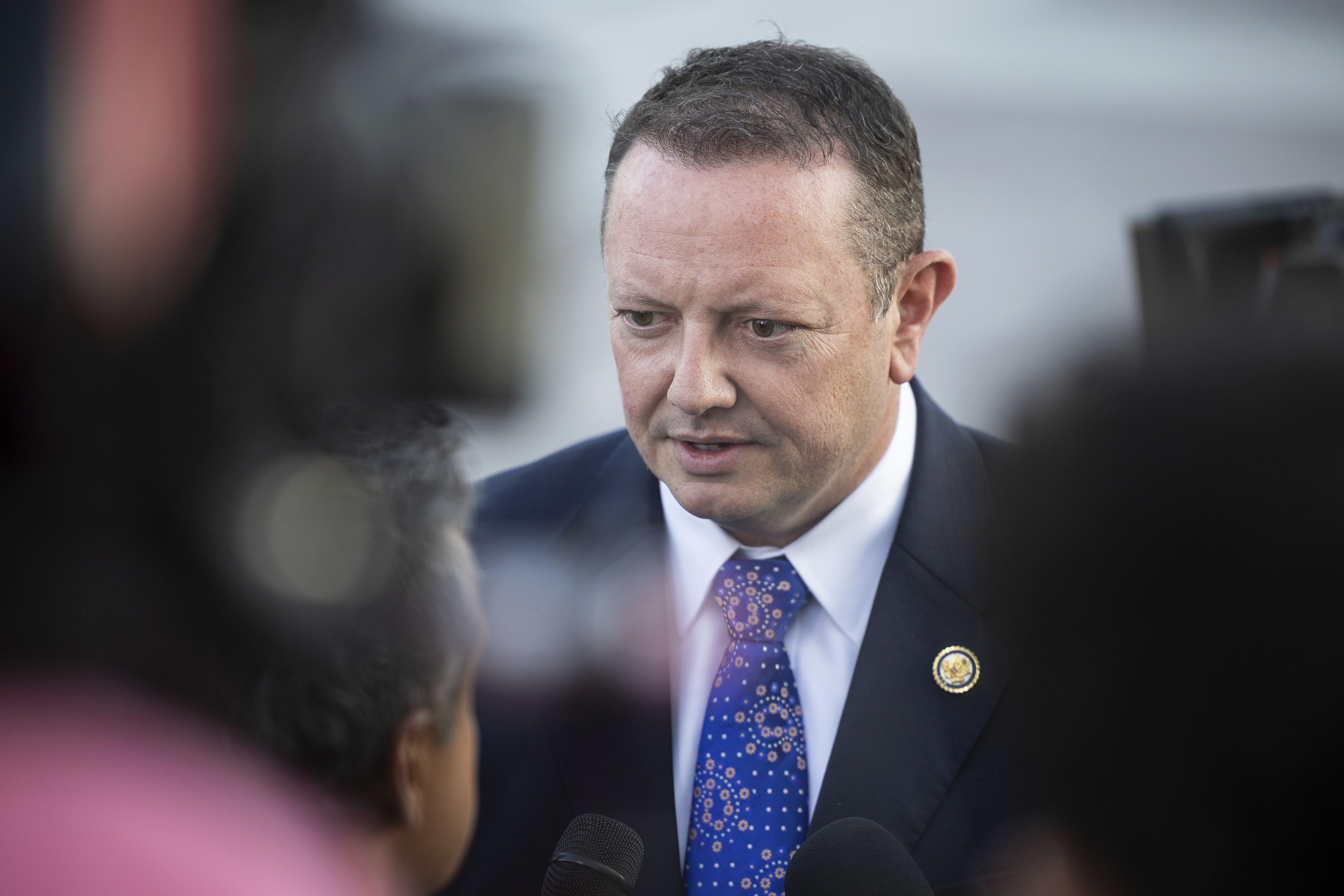
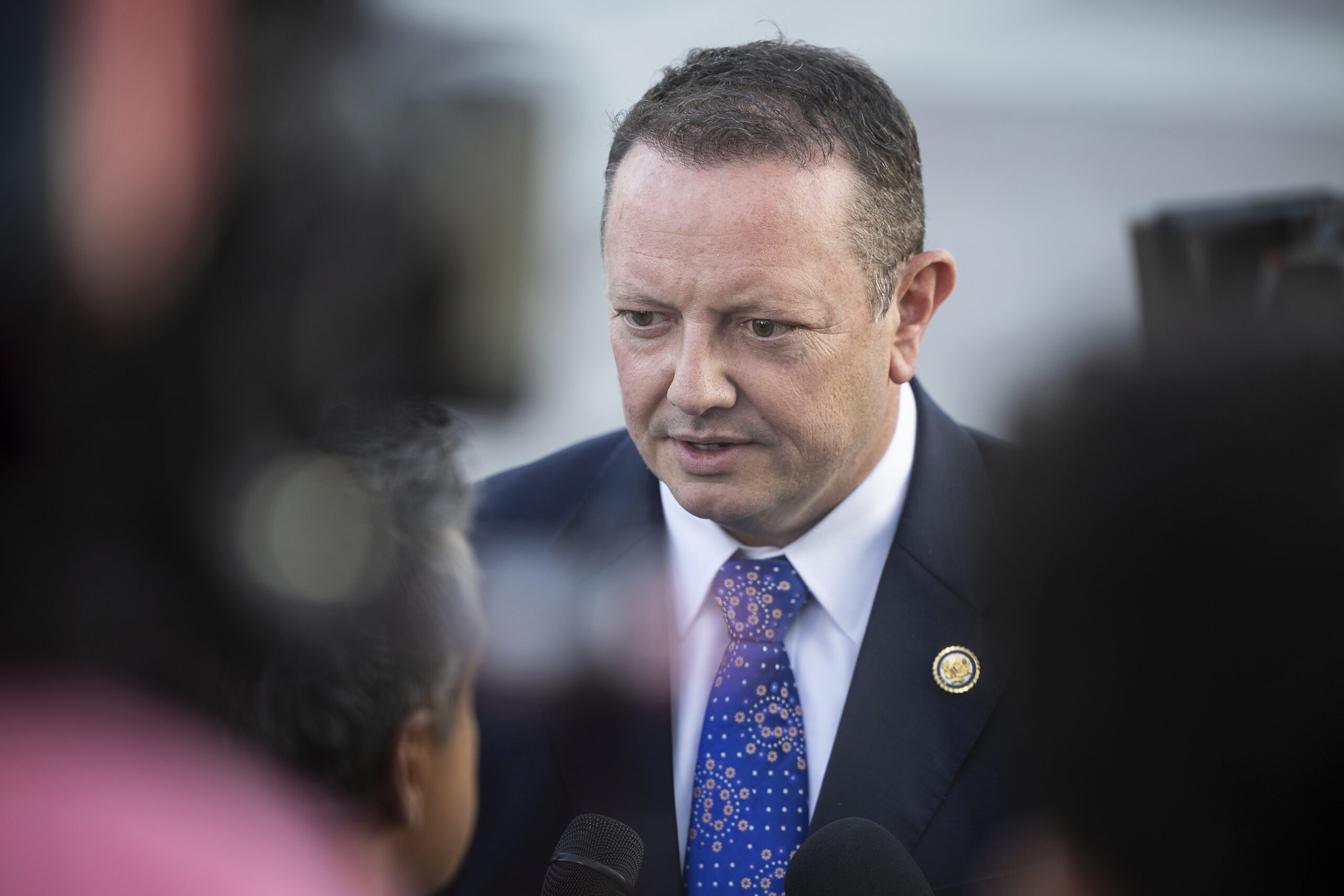
Rep. Eric Burlison of Missouri is in his second term but has shown an unmistakable thirst to be at the center of the action since arriving in the House. Currently an HFC board member, Burlinson said he is considering running to be the next chair.
“You obviously have to be selected by your peers, and that would be the greatest honor,” he said in an interview. “There’s no one I respect more than the people that are members of HFC.”
He spent over a decade in the Missouri statehouse before heading to Congress, after working as a software consultant. Last summer he was a vocal member pushing for the full release of the Epstein files and has become a leading Republican pushing for more information on UFOs.
Burlison noted that a future chair will be inheriting a nationally recognized Freedom Caucus “brand” that includes a plethora of state-level and local groups that have adopted the name. He said the original HFC should look at ways to “leverage” that brand but also protect it from being adopted by groups that aren’t in line with its conservative vision.
“We have to kind of protect our image,” he said. ”So I think we need to get that figured out.”
Andrew Clyde
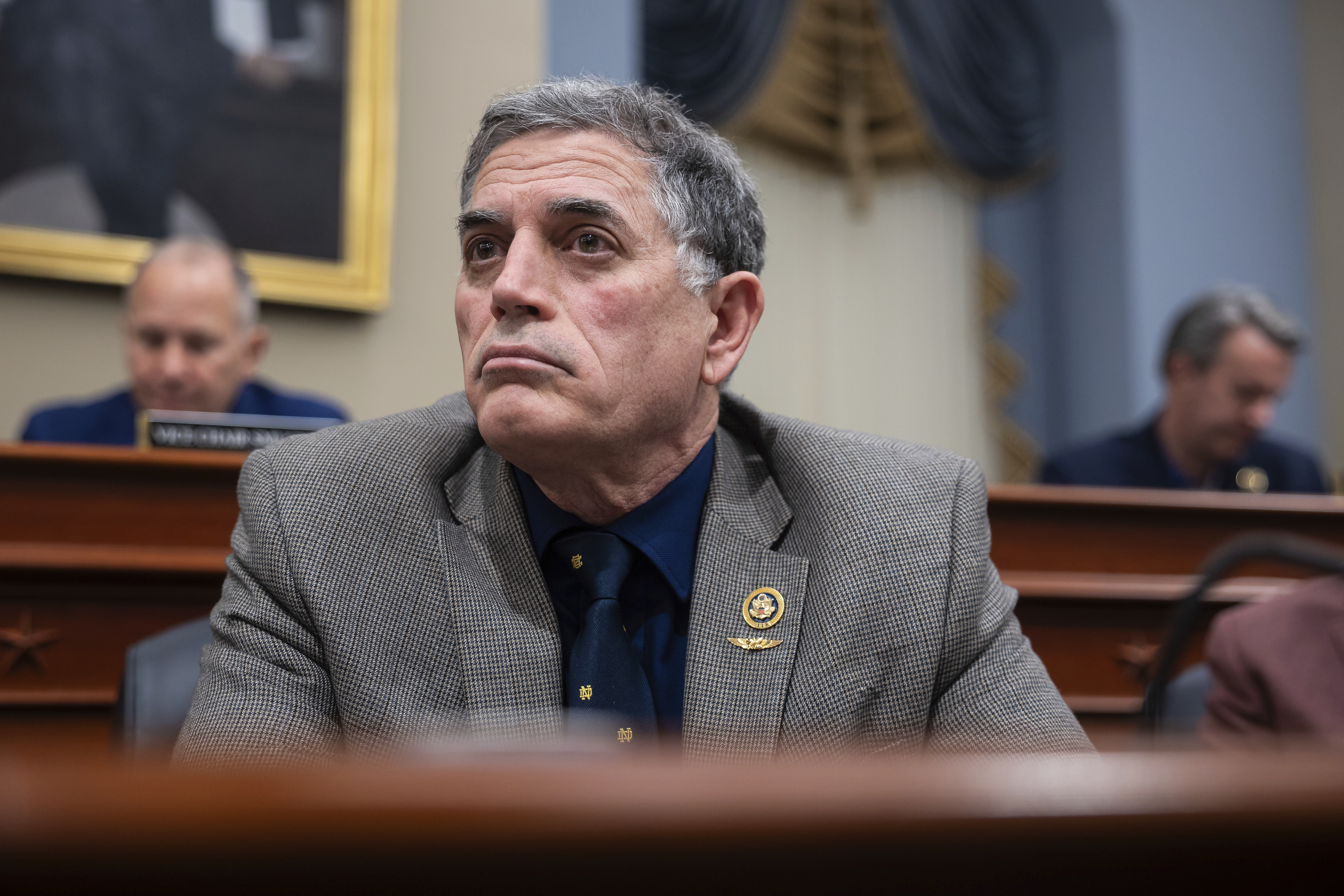
Rep. Andrew Clyde of Georgia has managed to amass significant power by Freedom Caucus standards by winning seats on the Appropriations and Budget committees, which have allowed him to push for conservative positions on those influential panels.
Clyde, another board member, said in an interview he had not yet thought about running for chair but noted that “you don’t have to be the chairman to have outsized influence.”
He added that while the group is losing some high-profile members, the president’s conservative agenda has attracted several likely incoming members to the group.
“We’re seeing some folks that have not supported the Freedom Caucus before that are coming on board to support the House Freedom Caucus,” Clyde said. “So I think you’ll see [an] even greater presence.”
Brandon Gill
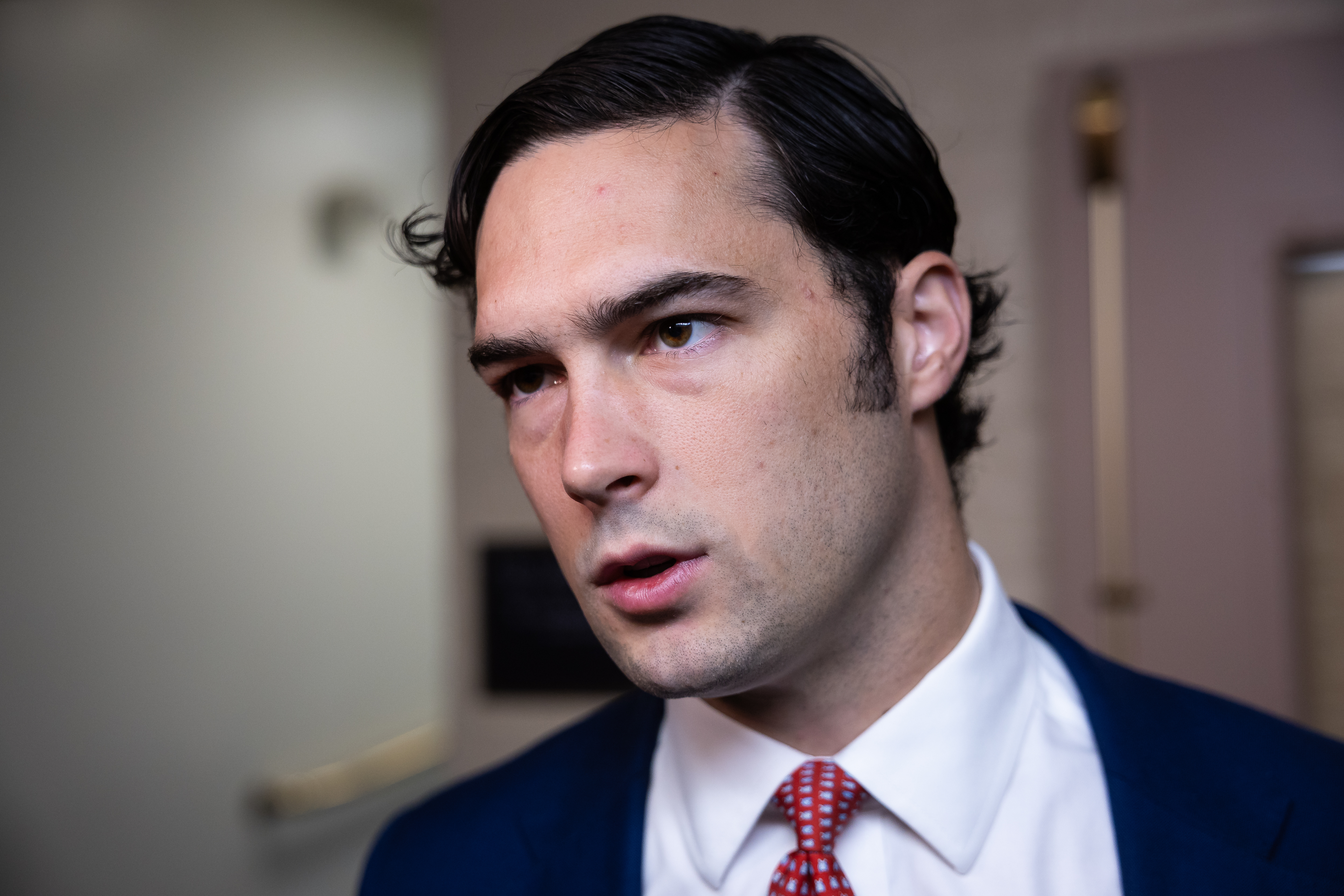
Rep. Brandon Gill of Texas, a freshman and the youngest sitting House Republican, is already seen as a rising star inside the House GOP. He has said he wants to emulate Jordanand has a seat on Judiciary, the committee his governing idol chairs.
Gill has made a name for himself through provocative social media posts, regular appearances on Fox News and splashy legislative moves such as seeking to impeach James Boasberg, the federal judge who ruled against some of Trump’s deportations last year.
He does not, however, break with GOP leaders as often as some other Freedom Caucus members and could encounter internal doubts as to whether he’d be willing to play internal hardball in the same way as prior chairs.
Clay Higgins
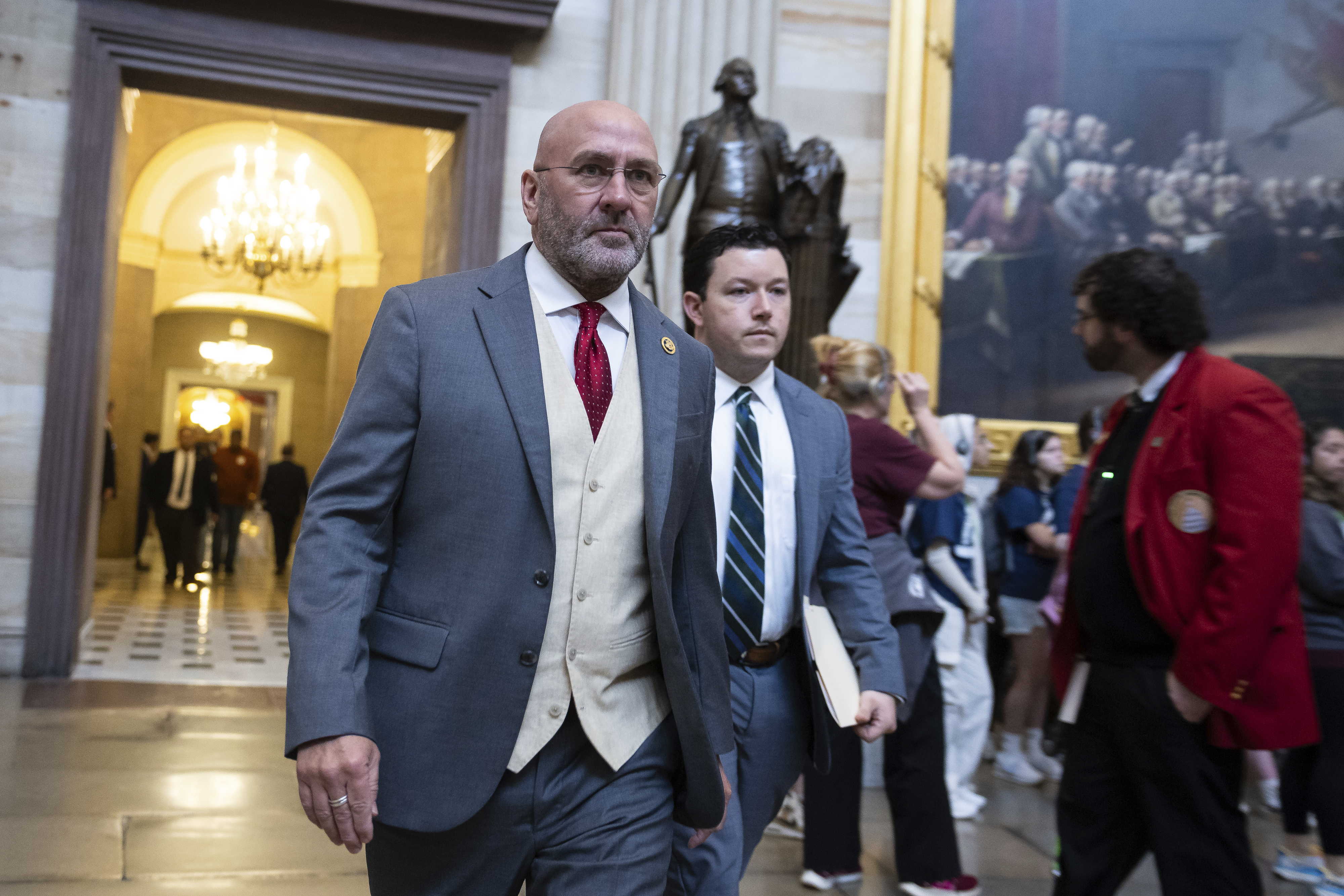
Higgins is one of the more senior Freedom Caucus members — and one of the more controversial. The former sheriff has been a prominent proponent of conspiracy theories around the Jan. 6, 2021, Capitol attack and he was the only lawmaker to oppose the release of the Epstein files.
Also currently a board member, he said in an interview he has not ruled out seeking the caucus chair post. But he also said he was “not interested in campaigning” for the job and would like to see a “peaceful transition.”
Higgins did boast having “a pretty solid reputation within the caucus as a thoughtful conservative” and is hoping the group focuses more on policymaking in its next iteration rather than obstructing leadership prerogatives.
“We’re either going to go deeper into being a meaningful, effective conservative faction for the entire country, or we could bounce in the other direction and be more like protesters in the parking lot,” he said.
Andy Ogles
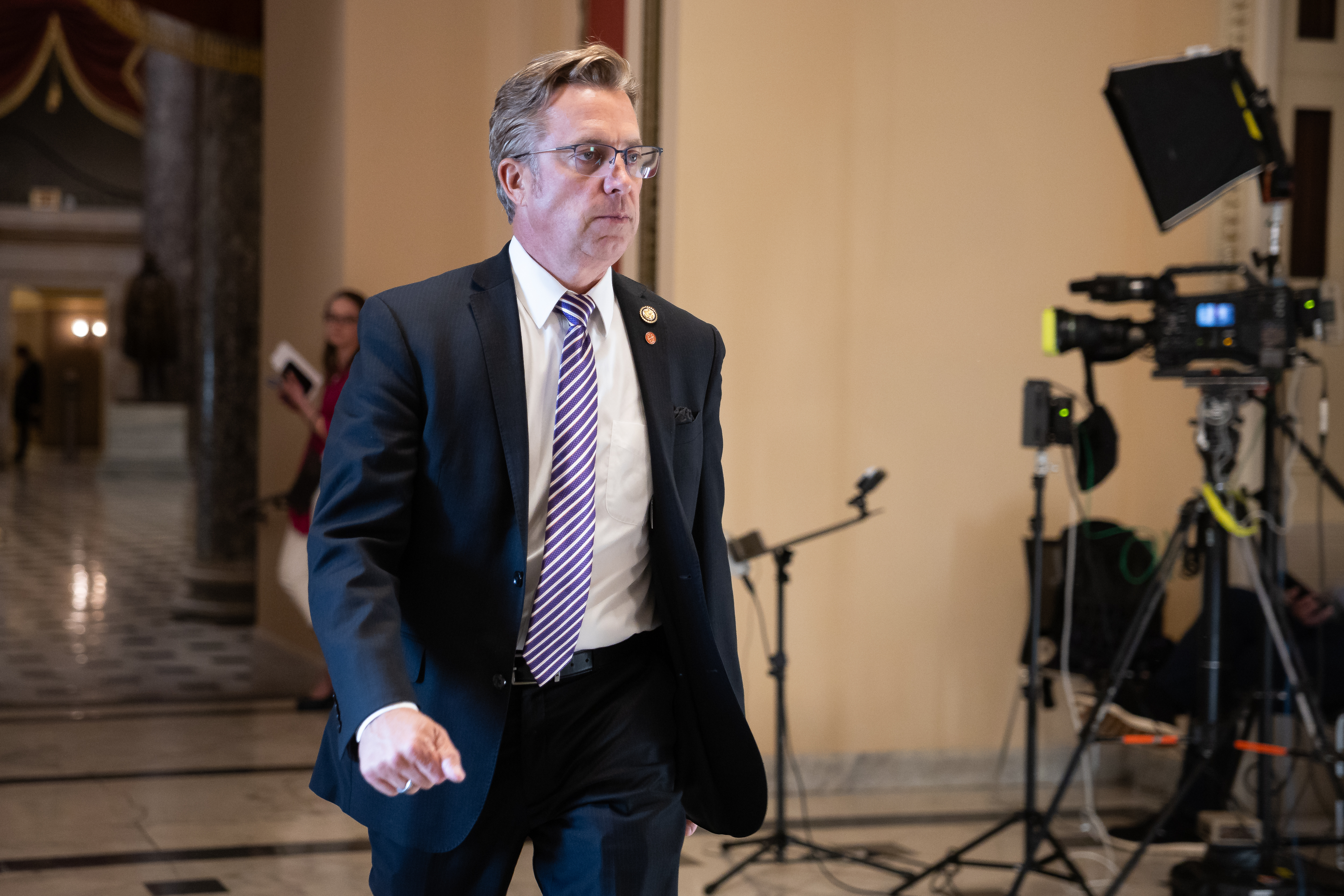
Rep. Andy Ogles of Tennessee has been a controversy magnet in the wider political sphere — known for a long-running campaign finance investigation that was recently dropped by the Justice Department and a series of offensive public statements on Muslims, immigrants and other groups.
But inside the Freedom Caucus, he has emerged as a serious force over two terms, with his name floated for chair even before the end of his first term. He did not rule out running for chair or another caucus leadership position in a recent interview.
“All I care about is winning,” Ogles said, referring to the caucus agenda. “If I’m better in a second or tertiary role, that’s what I’ll do to make sure we deliver on the president’s agenda. If that means I’m the chairman, then so be it.”
Ogles said the upcoming turnover represents a good opportunity to renew and potentially rethink how the group operates: “We’re going into the presidential. Sometimes you need fresh ideas, fresh faces.”


Rep. Max Miller issued a subpoena to his former father-in-law and fellow Ohio Republican, Sen. Bernie Moreno, in the latest escalation of a long-running family legal drama.
Pamela MacAdams, an attorney for Miller, reported to the Cuyahoga County Domestic Relations Court Monday that three subpoenas were served in Miller’s divorce case, according to court records. A person with knowledge of the subpoenas granted anonymity to comment on them said that two were sent to Moreno and his wife, Bridget.
Their daughter, Emily Moreno, was married to Miller, and the two remain embroiled in a nasty legal battle.
Spokespeople for Miller, Emily Moreno and Bernie Moreno did not immediately return requests for comment. TMZ first reported on the subpoenas.
Miller is seeking reelection in a competitive district, and his campaign has been marred by accusations of domestic abuse against Emily Moreno and their daughter. Miller has repeatedly denied the allegations and chose to remain in the race despite other Republican lawmakers pressuring him to withdraw his campaign.
The House Ethics Committee, which began an inquiry into Miller after Miller asked to be investigated, is currently in a preelection blackout period. During that period, which will continue through the midterms, the Ethics Committee doesn’t take any action against sitting members who could return next Congress.
Congress
Trump declares $1B canceled in ‘pocket rescission’ in another affront to Congress’ funding power
President Donald Trump informed congressional leaders Friday that he has unilaterally canceled almost $1 billion without Congress’ consent — employing a budget maneuver many lawmakers consider illegal.
In a move that will almost certainly set up an ugly government funding battle after the midterms, Trump has again claimed the power to execute a so-called “pocket rescission” to nix money Congress has already enacted. The money his administration will claw back is for for immigration services, support to foreign countries, education programs, health research efforts and assistance for businesses owned by minorities.
By law, the president is allowed to send Congress a request to rescind federal funding, then withhold that money for 45 days while lawmakers consider whether to approve, reject or ignore it. Trump administration officials also argue they have the power to cancel funding without any congressional action by sending Congress a rescission request with less than 45 days left in the fiscal year. The argument is that the money automatically gets canceled on Sept. 30, when funding lapses at the end of the fiscal year.
Last year, Trump canceled $4.9 billion in foreign aid.
The Senate’s top Republican appropriator, Sen. Susan Collins of Maine, immediately blasted the move as illegal, saying in a statement Friday night that “any effort to rescind appropriated funds without congressional approval is a clear violation of the law.”
“This move shows that OMB intentionally withheld these funds for months to execute this unlawful cancellation of appropriations that were approved on a bipartisan basis and signed into law,” Collins added, pledging to work with other lawmakers “to address these illegal actions.”
Collins and other appropriators have already been on high alert in recent days, pressing multiple agencies about funding officials have yet to spend ahead of the expiration date.
Democrats are finally catching on to how to talk to young male voters in the lead-up to the midterms, but the party can still up its game, one battleground senator and potential 2028er said Friday.
Sen. Ruben Gallego (D-Ariz.) has been one of his party’s most outspoken critics on its handling of outreach to young men, who swung right and helped deliver the White House and both chambers of Congress to Republicans in 2024.
The party is now “definitely moving in the right direction,” Gallego said Friday.
“Like back in the day, I was like the only one,” putting out positions on men, Gallego said at a Washington event on young American men. “Now, like, it seems like everyone every week is coming out with a new position, new idea, which is great.”
Gallego has criticized Democrat’s failure to highlight mens’ struggles and their tendency to over-police mens’ ideas. But there are signs the political winds have shifted in his party’s favor.
A new Cygnal poll released with the event of men ages 18-30 who say they’re the most determined to vote revealed Democrats’ generic ballot lead over Republicans at 57%-40%, Blue Light News reported. The poll also said nearly 40 percent of respondents said they feel their lives are off track.
“We need to take the opportunity to invest in that portion of this country, to say that we care about them and actually try to change the trajectory of what’s happening with men in this country,” Gallego said at the symposium.
Still, the path for specific legislation targeting the needs of this demographic faces an incredibly tight calendar this Congress and is uncertain in the political landscape of next year.
A proposal from Gallego and Sen. Roger Marshall (R-Kan.) to establish a men’s health office within the Department of Health and Human Services, for example, has not advanced. Nor has bipartisan legislation from Sen. Bill Cassidy (R-La.), who also spoke at the event, targeting education outcomes, college investment transparency and dyslexic student support.
-

 Politics2 years ago
Former ‘Squad’ members launching ‘Bowman and Bush’ YouTube show
-
Uncategorized2 years ago
Bob Good to step down as Freedom Caucus chair this week
-

 The Josh Fourrier Show2 years ago
DOOMSDAY: Trump won, now what?
-

 Politics2 years ago
Former Kentucky AG Daniel Cameron launches Senate bid
-

 The Dictatorship2 years ago
Luigi Mangione acknowledges public support in first official statement since arrest
-

 The Dictatorship2 years ago
Pete Hegseth’s tenure at the Pentagon goes from bad to worse
-

 Politics2 years ago
Blue Light News’s Editorial Director Ryan Hutchins speaks at Blue Light News’s 2025 Governors Summit
-

 The Dictatorship1 year ago
Mike Johnson sums up the GOP’s arrogant position on military occupation with two words